Why Do Chefs Say "Oui Chef"?
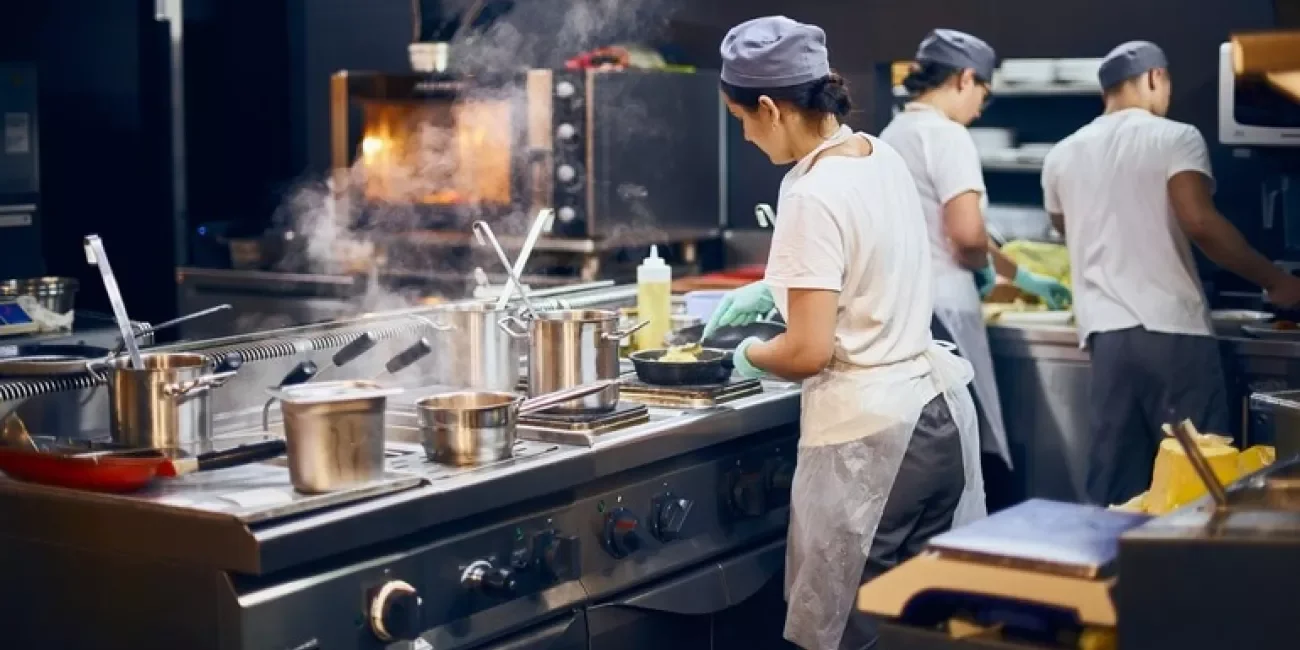
Walk into a professional kitchen during service and you'll hear it constantly: "Oui chef." Not "yes chef" or "got it" or "okay." The French response persists in American kitchens decades after its adoption, even among cooks who don't speak French. The phrase isn't about language. It's about hierarchy, communication, and the systematic structure that allows professional kitchens to function under pressure. Understanding why chefs say "oui chef" reveals how professional cooking actually works.
The Origin: French Brigade System
Auguste Escoffier developed the brigade system in the late 1800s to organize French restaurant kitchens. He borrowed military structure: clear hierarchy, defined roles, precise communication, immediate confirmation of orders. In this system, the chef (or sous chef) gives instructions. The cook responds "oui chef" to confirm receipt and understanding. This isn't optional courtesy. It's required protocol that prevents miscommunication during busy service. The French language was practical. Escoffier worked in France, his cooks spoke French, and "oui chef" was the natural confirmation. But the phrase persisted even as the brigade system spread globally because it solved a real problem: kitchens need instant, unambiguous confirmation of communication.
Why Confirmation Matters
Professional kitchens operate under intense pressure. Multiple orders cooking simultaneously. Constant adjustments to timing. Equipment failures requiring quick adaptation. In this environment, assuming someone heard your instruction is dangerous. The confirmation system prevents errors: Chef: "Fire two salmon, one ribeye" Cook: "Two salmon, one ribeye, oui chef" This exchange confirms the cook heard correctly. If they repeat it wrong, the error gets caught immediately. If they don't respond, the chef knows to repeat the instruction. Without confirmation, mistakes compound. An unheard instruction means a missing dish. A misheard instruction means preparing the wrong item. Both create cascading problems that affect multiple tables. "Oui chef" is the simplest, fastest confirmation. Two syllables. Unambiguous. Cuts through kitchen noise. Works when you're focused on cooking and can't make full eye contact.
Hierarchy and Respect
The brigade system established clear roles: executive chef, sous chef, chef de partie, commis. Each level has specific responsibilities and authority. "Oui chef" acknowledges this hierarchy. When a sous chef gives an instruction, you respond "oui chef" regardless of your personal feelings about the instruction or the person. This isn't about ego or submission. It's about maintaining structure during service when there's no time for discussion or debate. Decisions need to be made instantly. Someone needs authority to make those decisions. The hierarchy determines who that is. "Oui chef" confirms you understand and accept this structure. This might seem rigid, but consider the alternative: every instruction becomes a potential negotiation. Every decision gets questioned. Service degrades into arguments about who's right. Guests wait while cooks debate technique. The hierarchy isn't perfect, but it's functional. Refinements happen after service, not during it.
The American Adaptation
When French cuisine influenced American fine dining in the mid-20th century, American kitchens adopted the brigade system. Many kept "oui chef" even though "yes chef" would be the natural English equivalent. Why? Because "oui chef" carried additional meaning. It signaled professional training, familiarity with classical kitchen structure, and understanding of proper protocol. Using the French phrase identified you as someone who'd worked serious kitchens. Over time, this became inconsistent. Some kitchens use "oui chef." Others use "yes chef" or simply "heard." The specific phrase matters less than the confirmation itself. What persists is the requirement to confirm. Professional kitchens don't operate on assumed communication. Every instruction gets acknowledged.
When "Oui Chef" Becomes Automatic
For cooks who've worked hundreds of services, "oui chef" becomes reflexive. You don't think about saying it. The confirmation happens automatically when you receive instruction. This automation matters because your conscious attention is focused on cooking. You're monitoring multiple pans, checking temperatures, timing components to finish simultaneously. The confirmation happens without interrupting your focus. This is the goal of professional training: make basic protocols automatic so cognitive resources can focus on execution. After 3,000 private chef events, we've internalized similar confirmation habits. The specific phrase doesn't matter in our smaller team environment, but the principle does: important communication gets confirmed, not assumed.
Why It Still Appears in Modern Kitchens
Some contemporary chefs have moved away from rigid brigade hierarchy. Kitchens experiment with more collaborative structures, less formal communication, flatter organizations. But even in these environments, confirmation persists. The exact phrase might change, but the requirement to acknowledge important instructions remains. Because the fundamental problem hasn't changed: kitchens are loud, fast, high-pressure environments where miscommunication creates immediate problems. Confirmation systems work regardless of overall kitchen culture. "Oui chef" survived not because of tradition, but because it solves a practical problem better than alternatives.
What It Reveals About Professional Cooking
The persistence of "oui chef" shows something important about professional kitchens: they require systematic communication under pressure. Casual conversation doesn't work during busy service. You need precise, brief, confirmed exchanges. This extends beyond verbal communication. Professional kitchens develop entire languages: "86" for items that ran out, "fire" for start cooking, "all day" for running counts. Each term exists because standard English isn't optimized for kitchen communication. "Oui chef" fits this pattern. Two syllables that confirm receipt and understanding. Fast, clear, unambiguous. Exactly what busy service requires.
The Training Behind the Response
Learning to respond "oui chef" (or "yes chef" or "heard") properly takes time. New cooks often respond too quietly, too slowly, or without repeating the instruction back. Experienced cooks confirm clearly and immediately, repeating key details to verify accuracy. This happens automatically, without interrupting their focus on cooking. This is part of what professional training provides: not just cooking technique, but communication protocols that function under pressure. None of Marrow's three chef-owners attended culinary school, but we learned these same protocols working professional kitchens on the Gulf Coast. The environment teaches it naturally. Miss confirmations and you create problems. Confirm properly and service runs smoothly.
How It Translates to Private Chef Service
When we're executing your private chef dinner, we're not using the same formal hierarchy as a restaurant brigade. Our team is smaller, the environment is different, and the pressure isn't identical. But the principle behind "oui chef" — clear communication confirmed immediately — applies completely. Important instructions get acknowledged. Timing details get verified. Adjustments get confirmed. This discipline operates invisibly. You don't hear us confirming timing or verifying preparations. But that systematic communication is why your courses arrive precisely when expected, properly prepared, without confusion or delay. Professional standards in communication create seamless experiences for guests.
Why Some Kitchens Are Moving Away
Recent years have seen pushback against rigid kitchen hierarchy and military-style discipline. Critics argue this structure enables abuse, discourages input from junior cooks, and creates unnecessarily stressful environments. These are valid concerns. Kitchen culture has real problems that need addressing. But the solution isn't eliminating confirmation systems. It's separating useful communication protocols from problematic power dynamics. You can require confirmation without being abusive. You can maintain structure without discouraging input. You can have clear hierarchy during service while fostering collaboration during planning. The best kitchens find this balance: systematic communication when it matters, collaborative culture overall.
What Guests Never Hear
When we're preparing your dinner in your vacation rental kitchen, all the communication protocols operate behind the scenes. You don't hear confirmations or timing adjustments or the systematic coordination happening in your kitchen. What you experience is the result: courses arriving properly timed, dishes executed correctly, service flowing smoothly. The communication discipline that creates this ease remains invisible. Which is exactly right. Professional service means handling complexity so guests experience simplicity.
The Lesson from "Oui Chef"
The persistence of this phrase teaches something important about professional cooking: effective systems survive regardless of their origin. "Oui chef" works not because it's French or traditional, but because it solves communication problems that still exist. This pragmatism extends throughout professional kitchens. Whatever works persists. Whatever doesn't gets abandoned. The test is functionality under real conditions, not theory or tradition. After working hundreds of services and executing 3,000 private chef events, we've learned this lesson thoroughly. Use what works. Maintain standards that deliver results. Focus on outcomes, not performance.
The Evolution Continues
Kitchen communication continues evolving. "Heard" has partially replaced "yes chef" in many kitchens. Some use "heard that" or simply repeat the instruction back without additional confirmation. The specific phrase matters less than the principle: important communication gets confirmed immediately, clearly, and without ambiguity. This is what "oui chef" represents. Not tradition for its own sake, but functional communication that allows professional cooking to happen reliably. --- The next time you hear a chef respond "oui chef," you'll understand: this isn't about French language or unnecessary formality. It's about systematic communication that prevents errors during high-pressure service. Professional kitchens developed these protocols because they work. The language might evolve, but the principle persists: confirm what matters, communicate clearly, maintain structure when it counts. At Marrow, we bring this same communication discipline to every private chef event. You don't hear the confirmations or see the systematic coordination. You just experience the result: exceptional food, precisely timed, professionally executed. Ready to experience the precision of professional service? Explore our menus or reach out to plan your dinner on 30A.
---
Marrow Private Chefs — serving 30A, Destin, and the Emerald Coast since 2018.
Want to talk through what week works for your family?
Reach out — we respond within hours.
More from the journal
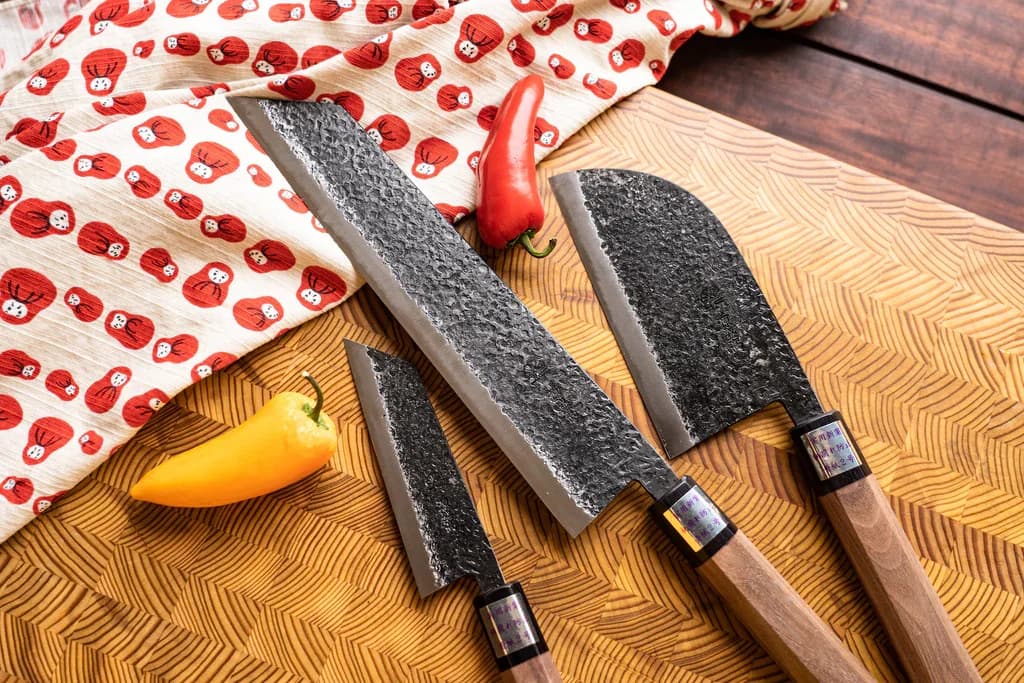
Why Are Kitchen Knives So Expensive?
Professional chef knives cost $100-$500+ for good reasons: quality steel, proper construction, and precision manufacturing. Learn what you're actually paying for.
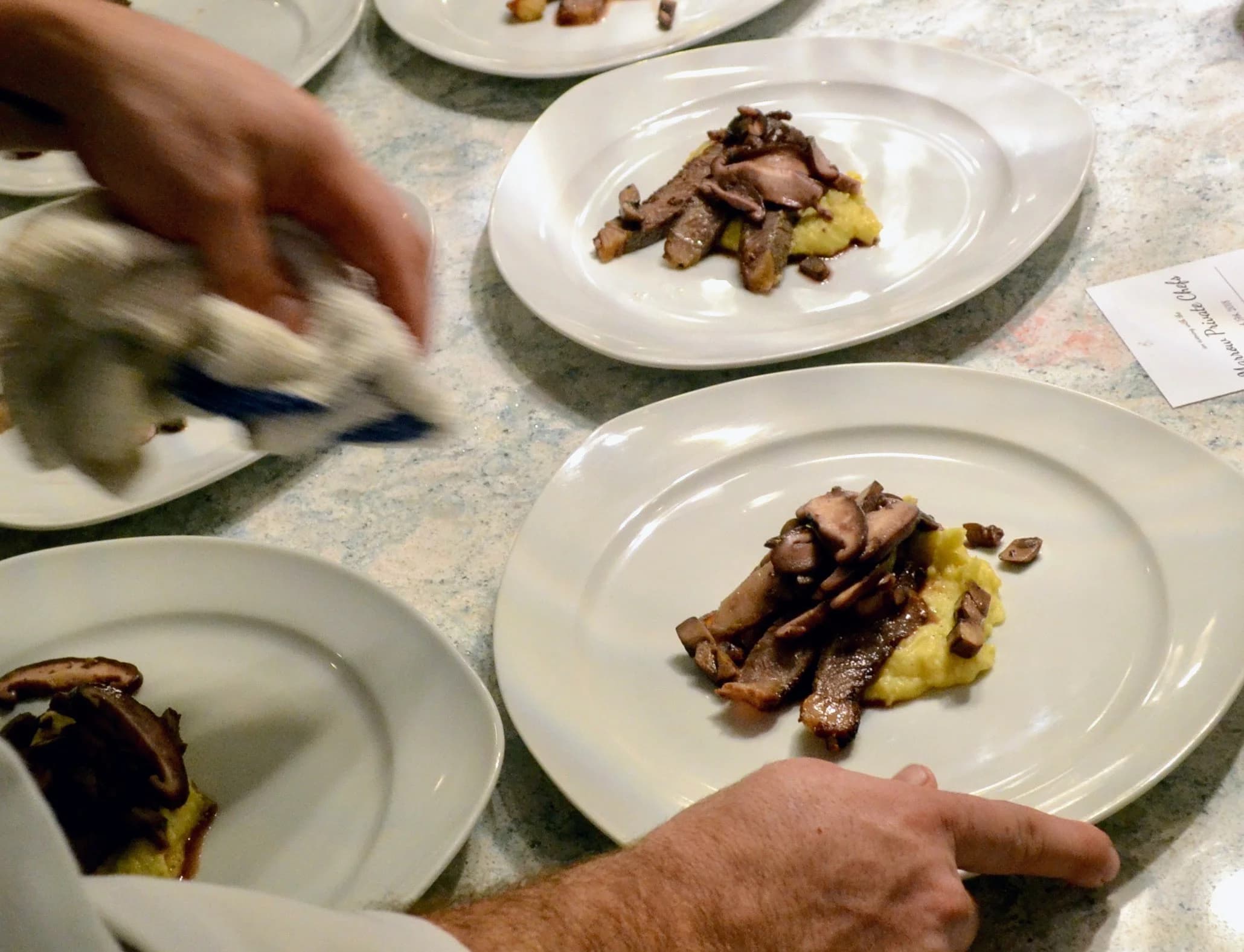
Why Chefs Wipe the Rim: The Details That Matter
Why do chefs meticulously wipe plate rims before service? Discover the small details that elevate professional dining experiences.
What Does "Tasting as You Go" Actually Mean?
Tasting as you go means progressive seasoning throughout cooking, not just at the end. Learn how professional cooks build depth and balance through constant adjustment.