What Is "Family Meal" and Why Does It Matter?
Walk into a professional restaurant kitchen an hour before dinner service and you'll see something unexpected: the entire staff sitting down to eat together. Not grabbing food on the run. Actually sitting, sharing a meal, talking before the chaos begins.
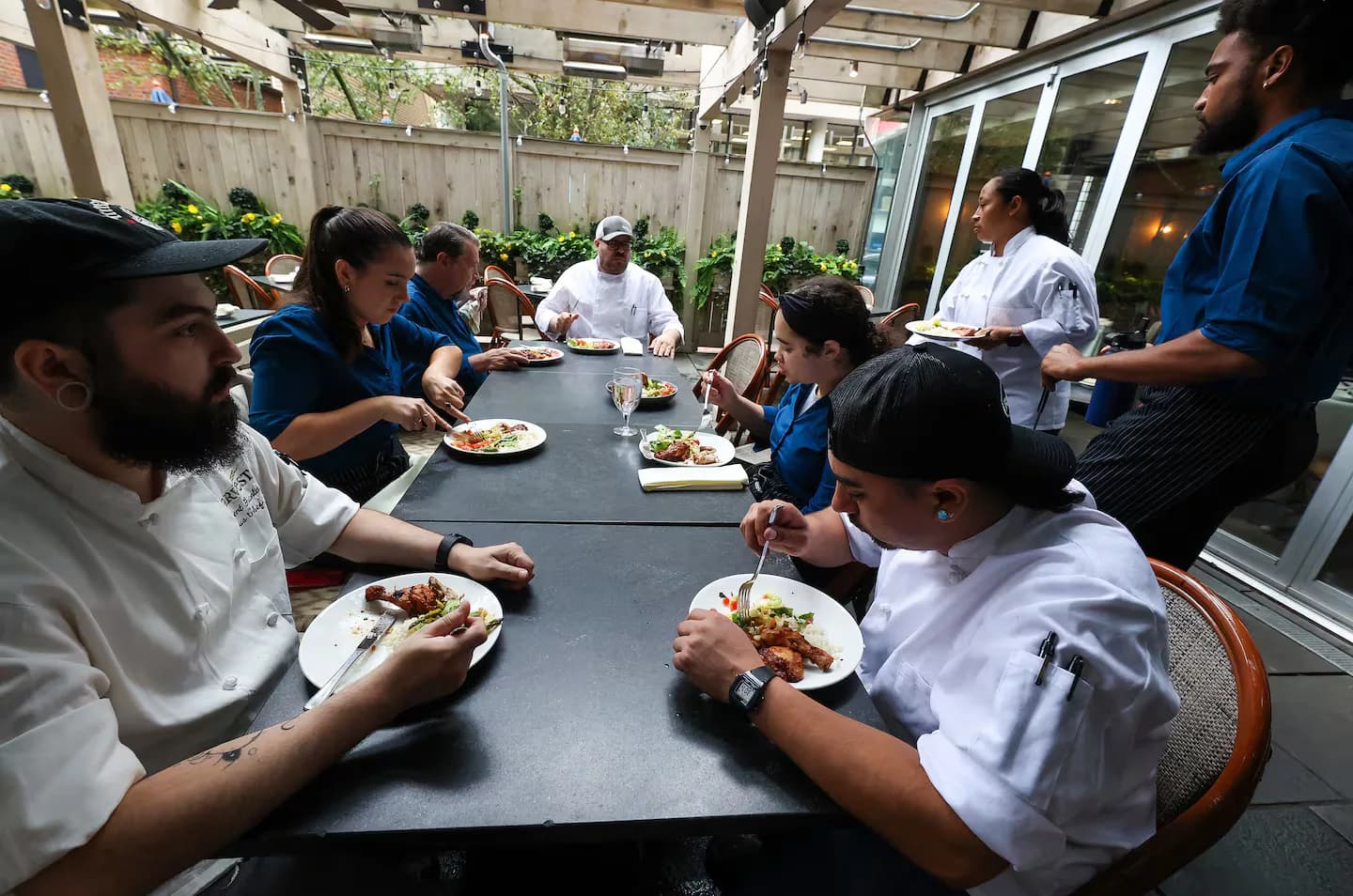
This is family meal—sometimes called staff meal—and it's one of the most important traditions in professional kitchens. Not because the food is always elaborate, but because of what the ritual represents: community, respect, and the understanding that taking care of staff enables them to take care of guests.
The Origins
Family meal emerged from practical necessity in European restaurants. Kitchen staff worked long hours, often arriving early afternoon and staying past midnight. They needed to eat, and restaurants had food available. The logical solution was feeding staff before service began.
But what started as practical necessity evolved into meaningful tradition. Instead of cooks eating whenever they had time, restaurants designated specific time for everyone to sit together. This created pause before service intensity, opportunity for communication, and moment of shared humanity.
The tradition continues today because it serves purposes beyond just feeding staff. It creates culture, builds teamwork, and demonstrates that the restaurant values its people.
What Gets Served
Family meal food varies dramatically between restaurants. Some prepare elaborate dishes using prime ingredients. Others cook simple preparations using ingredient scraps and inventory that needs using.
Neither approach is wrong. What matters is that someone puts genuine care into preparing food for the team. Even simple family meal prepared thoughtfully communicates respect. Carelessly thrown together food—or worse, no family meal at all—sends different message.
Many restaurants rotate responsibility for family meal. Different cooks take turns preparing it, often cooking cuisine from their heritage or dishes they grew up eating. This creates opportunity to share culture and learn about teammates' backgrounds.
The Time to Connect
Family meal provides rare opportunity for entire staff to sit together. During service, communication is rapid and focused. There's no time for conversation or connection beyond immediate coordination needs.
Family meal allows different pace. Cooks talk about their lives, share stories, discuss challenges. Front-of-house staff interact with kitchen team in relaxed context. Management sits with line cooks. The hierarchy that's necessary during service relaxes briefly.
This connection matters for team cohesion. People who've broken bread together work better together. The shared meal creates bonds that help during stressful service when everyone needs to function as coordinated unit.
The Culture It Creates
Restaurants that prioritize family meal tend to have stronger cultures. The ritual demonstrates that staff welfare matters, that there's more to the work than just executing service, that people are valued beyond their productivity.
This culture shows in multiple ways: lower turnover, better teamwork during service, more willingness to help teammates when problems arise, genuine camaraderie rather than just professional courtesy.
Restaurants that skip family meal or treat it carelessly often have more transactional relationships between management and staff. The absence of this ritual suggests that efficiency matters more than community.
What It Teaches
For young cooks, family meal provides education beyond technique. You learn about ingredients you might not otherwise encounter. You taste preparations from different culinary traditions. You see how experienced cooks approach feeding large groups efficiently.
You also learn about respect, generosity, and community. These lessons aren't taught explicitly. They're absorbed through participation in ritual that values people and acknowledges that good work requires taking care of those doing it.
None of Marrow's three chef-owners attended culinary school, but we learned these lessons working professional kitchens on the Gulf Coast. Family meal was where we connected with teammates, learned about different cuisines, and absorbed values about what professional cooking should mean beyond just technical execution.
The Economics
Some restaurant owners view family meal as expense to minimize. They're calculating food cost and labor time for something that doesn't directly generate revenue.
This misses the point. Family meal is investment in staff welfare and team culture. The cost is minimal compared to benefits: better retention, stronger teamwork, higher morale, more commitment to quality.
The best restaurants understand this. They budget for family meal, ensure someone's responsible for preparing it, and protect the time for staff to actually sit and eat together. The investment pays returns through better culture and service.
How It Varies
Family meal traditions vary significantly:
Some fine dining restaurants serve elaborate multi-course staff meals using premium ingredients. This demonstrates that staff deserves same quality as guests.
Some casual restaurants prepare simple, hearty food designed to fuel staff through busy service. The focus is practical nutrition rather than culinary showcase.
Some restaurants with strong cultural identities serve food reflecting that heritage, creating connection between what staff eats and what guests experience.
All approaches work if executed with genuine care and respect for staff.
When It Gets Skipped
Not all restaurants maintain family meal tradition. Some have staff eat whenever they find time. Some provide minimal food or expect staff to bring their own. Some skip it entirely.
This often correlates with other cultural issues. Restaurants that don't prioritize family meal often show other signs of not valuing staff: poor communication, inadequate training, high turnover, transactional relationships.
The absence becomes indicator of broader problems. If restaurant can't invest 30 minutes and modest food cost in staff welfare, what else aren't they prioritizing?
The Private Chef Difference
Private chef service operates differently from restaurants. We're not managing large staff or preparing for multi-hour service with constant table turns. We're focused on single event for specific group.
This means we don't have traditional family meal. But the values behind it—taking care of people, creating community, respecting those doing the work—inform how we approach everything.
We ensure our team is prepared and supported for each event. We communicate clearly and treat everyone with respect. We recognize that good work requires good conditions.
The specific ritual differs. The underlying philosophy remains constant.
What It Reveals
Family meal reveals what a restaurant actually values beyond its marketing language. Actions matter more than words. How restaurant treats staff when guests aren't watching shows true priorities.
Restaurants with strong family meal traditions typically have:
- Better staff retention - More consistent service quality - Stronger sense of team unity - Greater willingness to exceed minimum requirements - More genuine hospitality toward guests These outcomes emerge from culture where people feel valued and cared for. Family meal is both symbol and practical expression of this culture.
The Broader Lesson
Family meal teaches something applicable beyond restaurants: taking care of people enables them to do their best work. This seems obvious but gets forgotten when pressure mounts and efficiency dominates thinking.
The best operations remember this. They invest in their people not just through compensation but through culture, respect, and practices that demonstrate genuine care. Family meal is one such practice.
Why It Still Matters
In an industry known for demanding conditions and high stress, family meal provides moment of humanity. It acknowledges that people aren't just production units but human beings who deserve care and respect.
This matters for staff welfare obviously. It also matters for quality. People who feel cared for typically care more about their work. They go beyond minimum requirements. They take pride in what they do. They deliver better service to guests.
Family meal contributes to this culture. The ritual is simple: prepare food, sit together, share meal. The impact is significant.
What Guests Never See
When you dine at restaurant with strong family meal tradition, you don't see this ritual. It happens before you arrive. But you benefit from its effects: cohesive team, genuine camaraderie, staff who seem to genuinely care about creating good experience.
These qualities don't emerge accidentally. They're cultivated through practices like family meal that demonstrate people matter beyond their productivity.
---
Family meal represents something simple but profound: the understanding that taking care of people who do the work creates conditions for excellent work. This lesson extends far beyond professional kitchens.
At Marrow, we bring values from family meal tradition to private chef service: respect for everyone involved, recognition that good work requires good conditions, commitment to genuine care beyond just technical execution.
The specific practice differs from restaurant context. The underlying philosophy remains constant.
Ready to experience service built on genuine care and professional respect? Explore our menus or reach out to plan your dinner on 30A.
Want to talk through what week works for your family?
Reach out — we respond within hours.
More from the journal
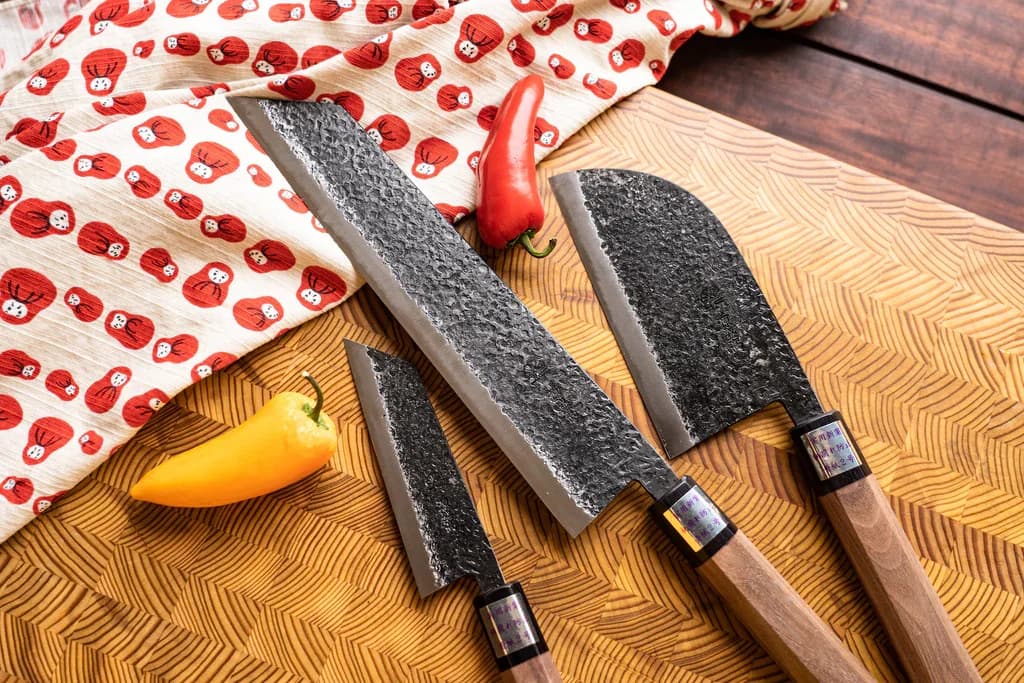
Why Are Kitchen Knives So Expensive?
Professional chef knives cost $100-$500+ for good reasons: quality steel, proper construction, and precision manufacturing. Learn what you're actually paying for.
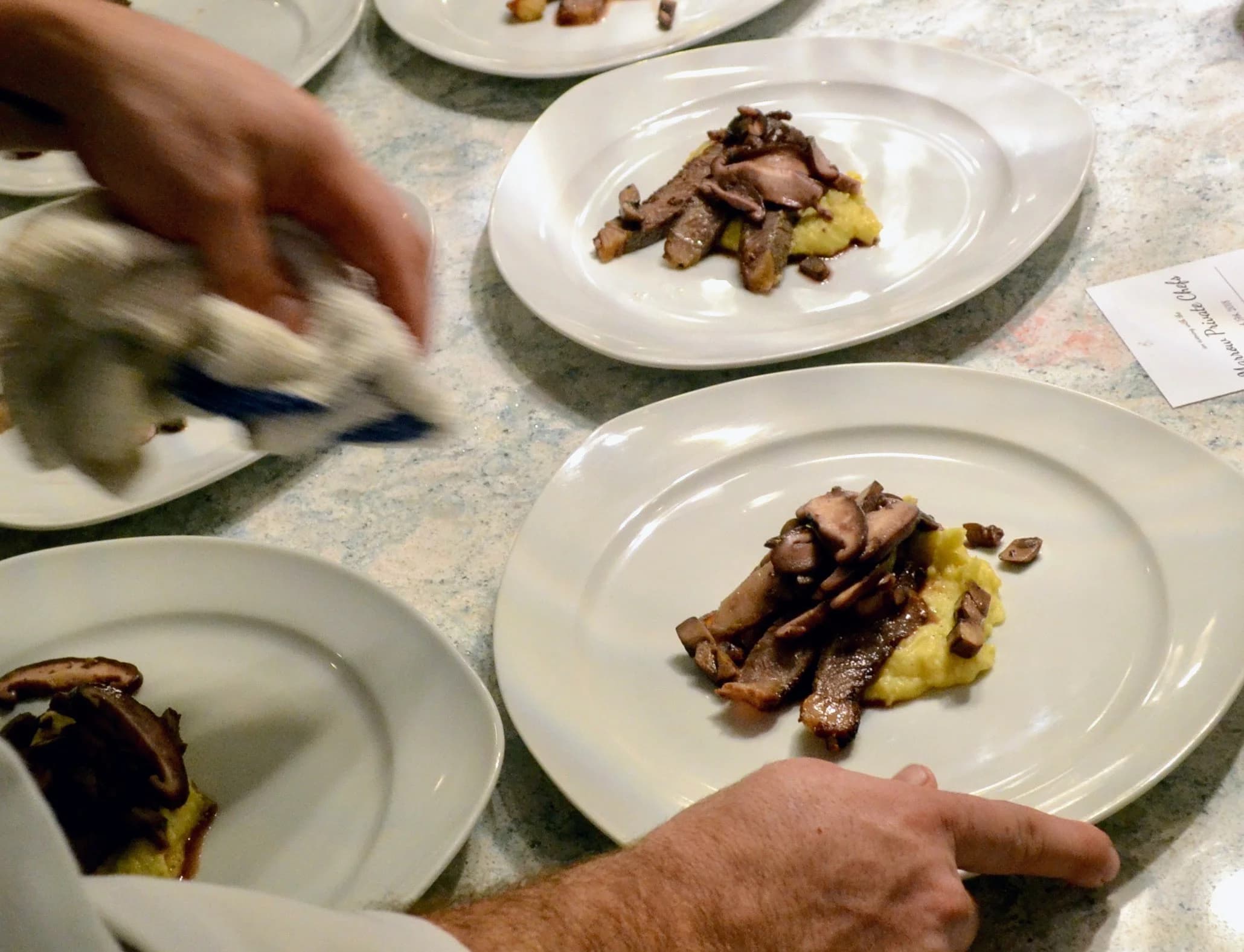
Why Chefs Wipe the Rim: The Details That Matter
Why do chefs meticulously wipe plate rims before service? Discover the small details that elevate professional dining experiences.
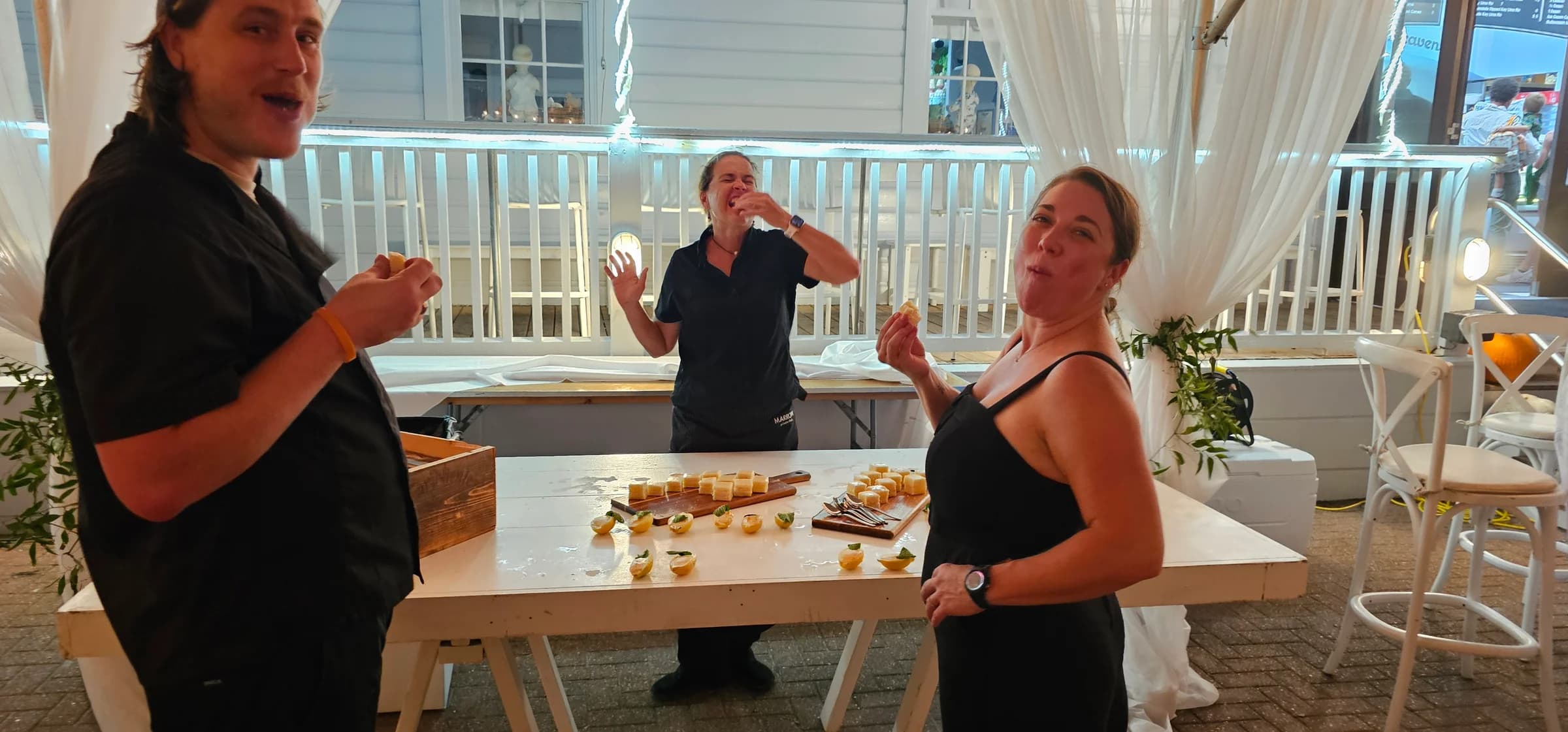
What Does "Tasting as You Go" Actually Mean?
Tasting as you go means progressive seasoning throughout cooking, not just at the end. Learn how professional cooks build depth and balance through constant adjustment.