Why Do Chefs Use Towels Instead of Oven Mitts?
Watch a professional kitchen during service and you'll notice something: every cook has a towel tucked into their apron or draped over their shoulder. They use these towels constantly—grabbing hot pans, opening oven doors, handling hot plates, wiping spills. But you'll rarely see oven mitts.
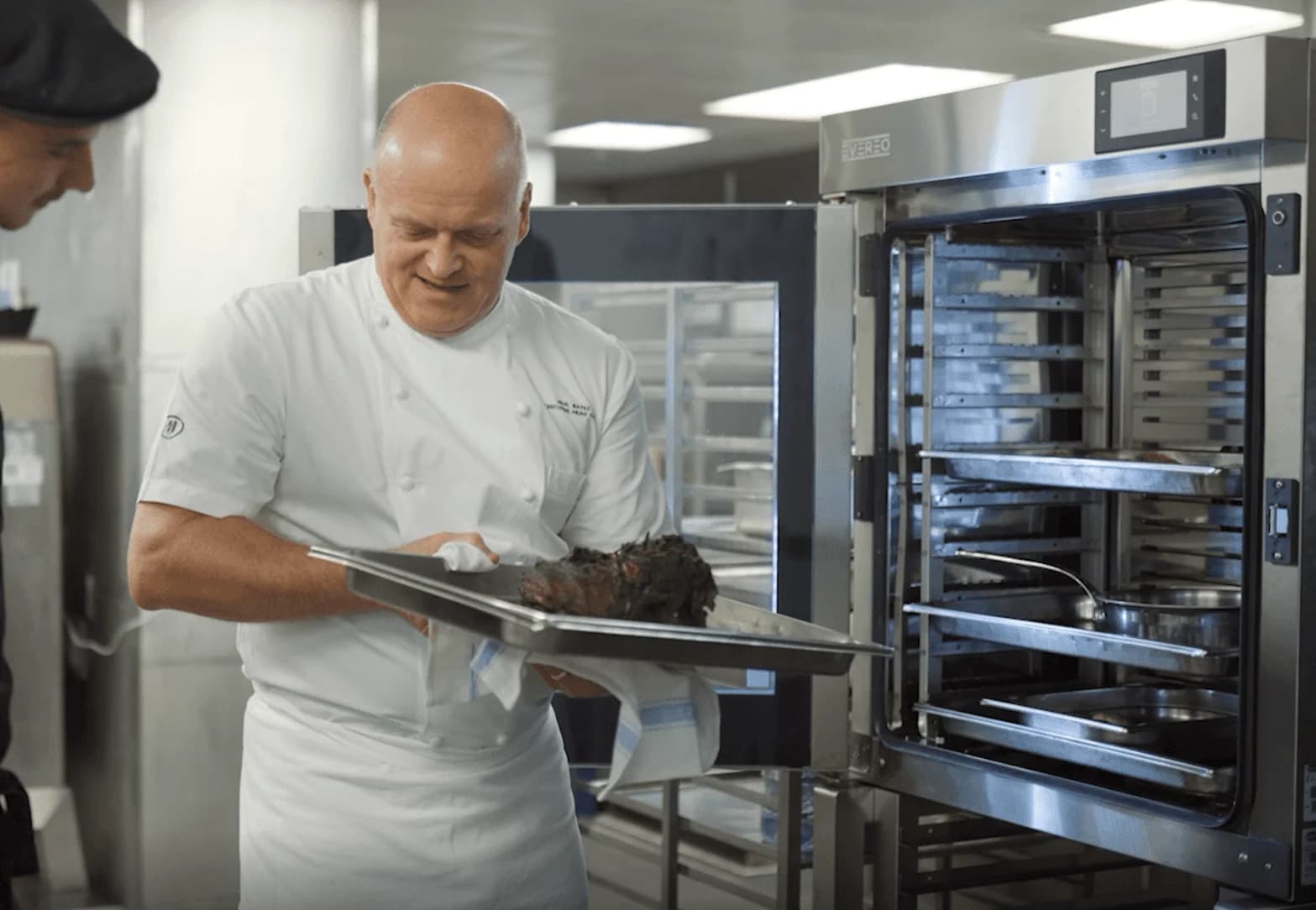
This isn't stubbornness or tradition. It's practical choice based on the specific demands of professional cooking. Towels provide advantages that oven mitts can't match: speed, versatility, precision, and the ability to stay clean enough for multiple uses.
Understanding why chefs prefer towels reveals something about professional cooking: tools and techniques evolve based on what works under real conditions, not what seems logical in theory.
The Practical Advantages
Speed: During busy service, every second matters. You can grab towel instantly, use it, and tuck it back. Oven mitts require putting on and taking off. This difference seems trivial until you're managing multiple pans simultaneously while tickets are piling up.
Precision: Towels allow better grip and feel. You can sense weight and balance of pan through thin cloth. Bulky mitts create distance between your hands and what you're holding, reducing control.
Versatility: Side towels serve multiple purposes beyond handling hot items: wiping plate rims, cleaning spills, holding containers, creating stable surface for cutting boards. Oven mitts only handle heat.
Compactness: Folded towel tucked in apron stays out of the way until needed. Oven mitts take up counter space or get lost in drawers. When you need to grab something hot while holding something else, towel is immediately accessible.
The Technique
Using towels for hot items requires proper technique:
Fold it properly: Multiple layers create insulation. A single layer of cloth won't protect adequately. Most cooks fold towels into thirds or quarters.
Keep it dry: Wet towel conducts heat immediately to your hand. The air trapped in dry fabric provides insulation. This is why cooks often have multiple towels—one for handling hot items, others for cleaning.
Use enough thickness: Don't try to grab extremely hot items with minimally folded towel. Add more layers for better protection.
Be decisive: Hesitation allows heat to penetrate. Grip firmly and move quickly. The brief contact time prevents burns even when handling very hot items.
These techniques become automatic for professional cooks. You learn them by experience—sometimes through minor burns that teach proper thickness and technique.
None of Marrow's three chef-owners attended culinary school, but we learned these skills working professional kitchens on the Gulf Coast. Using towels properly is one of those practices absorbed through immersion and repetition.
The Multi-Purpose Nature
A side towel serves countless purposes during service:
Handling hot items (primary purpose)
Wiping plate rims before dishes leave the kitchen
Cleaning spills immediately to prevent slipping hazards
Drying hands quickly between tasks
Holding containers that are unstable or slippery
Creating stable surface under cutting boards
Opening stubborn jars or containers
Emergency pot holder for suddenly hot handles
This versatility means you're using your towel constantly. Having to put on oven mitt each time would slow everything down.
Why Oven Mitts Don't Work Professionally
Oven mitts have specific disadvantages for professional use:
Too bulky: Professional cooks need precision and feel. Thick mitts reduce both.
Too slow: The time needed to put on and remove mitts adds up across hundreds of actions during service.
Limited dexterity: Try grabbing small items, adjusting pan position, or handling multiple things while wearing bulky mitts. The loss of fine motor control is significant.
Hard to keep clean: Mitts get dirty quickly in professional kitchens. Towels can be swapped out easily. Mitts require washing and drying, taking them out of rotation.
Single purpose: Mitts only handle heat. This limited function doesn't justify the space they occupy or the inconvenience they create.
The Culture Around Towels
In professional kitchens, your side towel becomes personal tool you keep throughout service:
Keep it clean: Dirty towel indicates sloppy work habits. Professional cooks replace towels as needed to maintain standards.
Keep it accessible: Towel should be immediately available when needed. Most cooks develop preferred way of tucking it in apron.
Have multiples: Many cooks have several towels at their station: one for hot items, one for cleaning, one as backup.
Replace when wet: Wet towel is dangerous for handling hot items. Professional cooks swap them out immediately.
This culture around towels might seem excessive to outsiders, but it reflects how central this simple tool is to professional cooking.
When Oven Mitts Are Better
There are situations where oven mitts are superior:
Home cooking: The speed and versatility advantages of towels matter less when you're not under service pressure. Mitts provide more protection for less experienced users.
Very hot items: When removing something from 500-degree oven and holding it for extended period, mitts provide better insulation than towel.
Less experienced cooks: Towel technique requires practice. Mitts are more forgiving of improper use.
Situations requiring maximum protection: When safety is paramount and speed is less important, mitts make sense.
The fact that professional cooks choose towels doesn't mean mitts are wrong for all contexts. It means towels work better for specific demands of professional cooking.
Safety Considerations
Using towels instead of mitts might seem less safe. In practice, professional cooks using proper technique have fewer burns than home cooks with oven mitts.
Why?
Better awareness: Towels provide more feedback about heat. You feel when something is too hot and adjust accordingly. Mitts create false sense of security that can lead to longer contact with extremely hot items.
Proper technique: Professional training emphasizes correct towel use. The discipline prevents most accidents.
Immediate availability: Towel is always accessible. When you need protection quickly, it's there. Oven mitts might not be within reach when you suddenly discover a handle is hot.
Dry towel requirement: The need to keep towels dry creates awareness about their condition. Cooks check towels constantly. Oven mitts can get damp without notice.
The Learning Curve
New cooks sometimes struggle with towel technique. They use insufficient layers, try to hold extremely hot items too long, or panic when feeling heat.
With experience comes confidence. You learn:
- How many layers you need for different heat levels - How long you can safely hold various items - When to add more layers or use different tool - How to grip firmly enough for control without hesitation These skills develop through practice and occasional minor burns that teach important lessons about proper technique.
What We Use
After 3,000 private chef events, towel technique is automatic. We bring multiple clean towels to every event. We fold them properly. We replace them when they get wet or dirty. We use them constantly for dozens of purposes throughout service.
This might seem like small detail, but it's part of professional discipline that allows efficient execution. The right tools used properly create conditions for smooth service.
The Broader Lesson
The preference for towels over mitts teaches something about professional cooking: practices that seem counter-intuitive often exist for good reasons. What works in theory doesn't always work under real conditions.
Professional kitchens aren't museums preserving tradition. They're laboratories constantly testing what works best. Towels persist because they solve real problems better than alternatives for professional use.
---
Chefs use towels instead of oven mitts because towels provide speed, precision, versatility, and compactness that mitts can't match. This isn't tradition—it's practical choice based on demands of professional cooking.
At Marrow, we bring professional tools and techniques to every private chef event on 30A. Proper towel technique is one of countless small disciplines that add up to reliable professional execution.
These details operate invisibly. They create the conditions for smooth service you experience as effortless.
Ready to experience cooking executed with proper professional discipline? View our menus or get in touch to plan your dinner.
Want to talk through what week works for your family?
Reach out — we respond within hours.
More from the journal
Why Are Kitchen Knives So Expensive?
Professional chef knives cost $100-$500+ for good reasons: quality steel, proper construction, and precision manufacturing. Learn what you're actually paying for.
Why Chefs Wipe the Rim: The Details That Matter
Why do chefs meticulously wipe plate rims before service? Discover the small details that elevate professional dining experiences.

What Does "Tasting as You Go" Actually Mean?
Tasting as you go means progressive seasoning throughout cooking, not just at the end. Learn how professional cooks build depth and balance through constant adjustment.