What Does "Tasting as You Go" Actually Mean?
Ask any professional cook about essential skills and "taste as you go" appears on every list. It sounds obvious—of course you should taste your food. But what professionals mean by this phrase goes far beyond checking if something's done. It's about progressive seasoning, understanding flavor development, and building balanced dishes through constant adjustment.
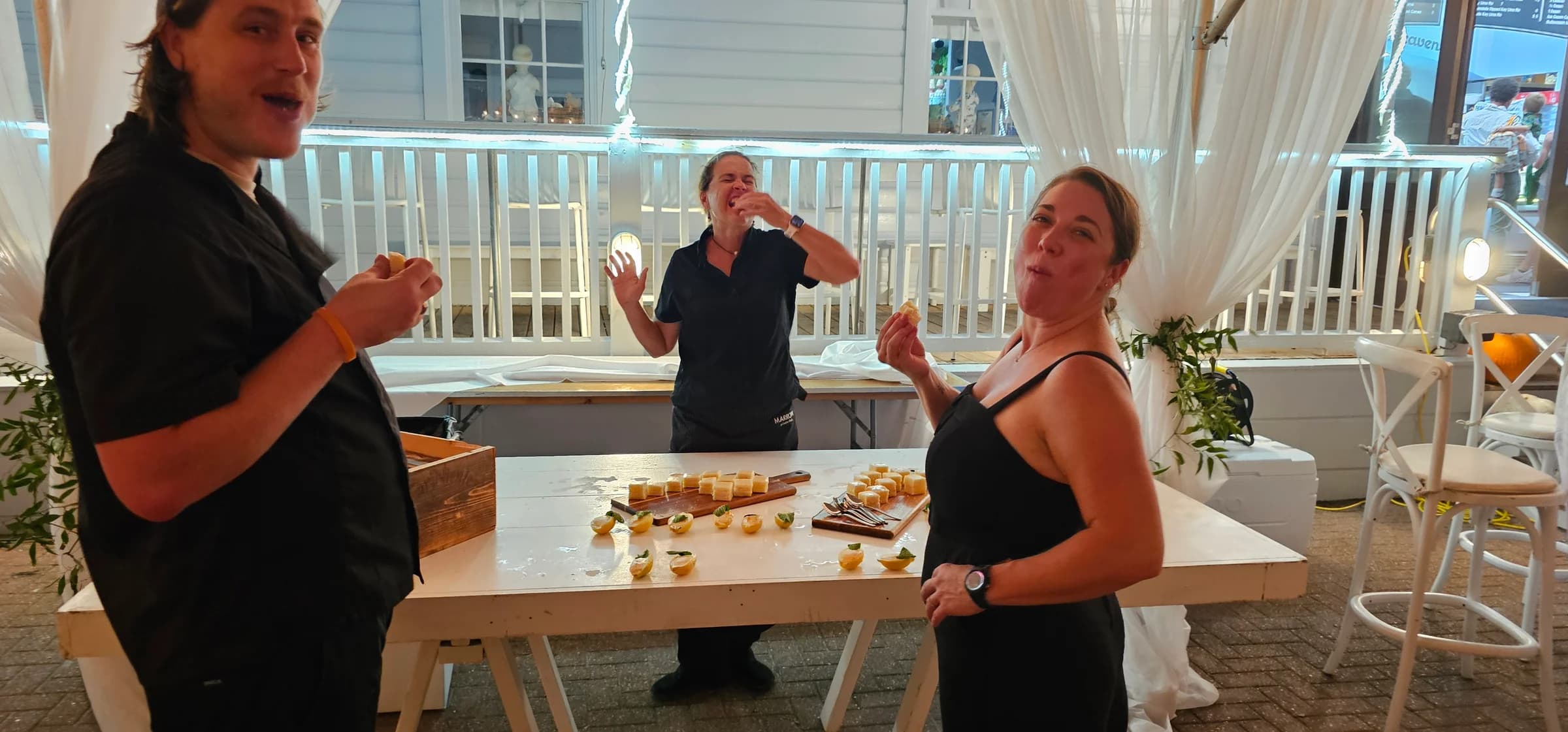
This is one of the biggest differences between home cooking and professional cooking. Home cooks often season once at the end. Professional cooks taste constantly throughout the process, adjusting and refining as each element develops. This continuous attention creates depth and balance that can't be achieved through final seasoning alone.
What It Actually Means
Tasting as you go means sampling food at multiple stages:
During prep: Taste raw ingredients to understand their starting quality and intensity. That tomato might be sweeter or more acidic than usual. That garlic might be more pungent. These variations affect how much you'll need.
During cooking: Taste as flavors develop. A sauce that tastes perfect at five minutes might need adjustment at ten. Flavors concentrate as liquids reduce. Seasonings mellow or intensify. You're not checking doneness—you're tracking flavor evolution.
Before finishing: Taste one more time before final plating. This is your last chance to adjust. Is the acidity balanced? Does it need salt? Would black pepper help? Small adjustments here make the difference between good and exceptional.
Why Seasoning Early Matters
Professional cooks season in layers throughout cooking, not just at the end. This creates depth that final seasoning can't achieve.
When you salt vegetables before roasting, the salt draws out moisture and helps browning. When you season protein before cooking, the salt penetrates the surface and seasons throughout. When you season sauce as it develops, flavors integrate rather than sitting on top.
Final seasoning can only affect the surface. Progressive seasoning throughout cooking creates integrated flavor.
This is why restaurant food often tastes more complex than home-cooked food. Not because restaurants use more salt overall, but because they apply it strategically throughout the cooking process.
Developing Your Palate
Tasting effectively requires trained palate. You need to identify what's missing or excessive:
Too flat? Probably needs salt or acid.
Too harsh? Might need fat to mellow it or sweetness to balance.
Missing something but can't identify what? Often acid or salt.
Tastes one-dimensional? Likely needs layered seasoning or multiple flavor elements.
This diagnostic skill develops through practice. You learn to recognize specific deficiencies and know what will fix them. The only way to develop this ability is tasting constantly and noting what adjustments produce what effects.
None of Marrow's three chef-owners attended culinary school, but we learned this skill working professional kitchens on the Gulf Coast. You taste hundreds of dishes, receive feedback about adjustments needed, make changes, and taste again. The education happens through repetition.
The Progressive Approach
Here's how professional cooks actually taste as they go:
Taste raw ingredients to understand baseline quality and intensity.
Season and cook first elements (aromatics, bases).
Taste and adjust once those elements have developed.
Add next components and give them time to integrate.
Taste again and adjust for new flavor balance.
Continue this cycle throughout entire cooking process.
Final taste before serving for last adjustments.
This isn't complicated. It just requires attention and willingness to adjust constantly rather than following recipe blindly.
Why Recipes Can't Tell You Everything
Recipes provide frameworks, but they can't account for variables:
- Your tomatoes might be sweeter than the recipe developer's - Your salt might be coarser or finer, affecting volume measurements - Your pan might retain more or less heat - Your ingredients might have released more or less liquid - Your reduction might have concentrated more or less Tasting throughout cooking allows you to adjust for these variables. You're not following recipe mechanically—you're using it as guide while letting your palate make final decisions.
This is why experienced cooks can make excellent food without measuring precisely. They've tasted enough to understand what correctly seasoned food tastes like, and they adjust until reaching that target.
Common Mistakes
Home cooks often:
Undersalt throughout cooking: Then try to compensate at the end, which never integrates properly.
Forget about acid: Salt gets attention, but acid (lemon, vinegar, wine) is equally important for balance. Dishes that taste flat often need acid, not more salt.
Don't taste enough: They taste once or twice rather than constantly tracking flavor development.
Season when distracted: Tasting requires focus. You can't accurately assess seasoning while doing three other things.
Don't adjust based on what they taste: They taste, notice something's off, but don't make corrections. Tasting without adjusting accomplishes nothing.
The Temperature Factor
Flavor perception changes with temperature. Food served hot tastes less salty than same food served cold. This is why soup that tastes perfectly seasoned hot often tastes undersalted when cooled.
Professional cooks account for this:
Hot dishes: Season to taste slightly over-seasoned when hot. They'll taste perfect at serving temperature.
Cold dishes: Season to taste slightly under-seasoned when tasting hot during prep. They'll taste perfect when properly chilled.
Room temperature dishes: Season to taste correct at room temperature.
This principle affects how you adjust seasoning based on serving temperature.
Building Flavor Layers
Tasting as you go enables building complex flavor through layers:
Base layer: Aromatic vegetables, properly seasoned.
Protein layer: Seasoned before and possibly during cooking.
Liquid layer: Stock, wine, or other liquids contributing flavor.
Finishing layer: Final adjustments with acid, herbs, butter, etc.
Each layer gets attention and adjustment. The cumulative effect creates depth that single-stage seasoning can't achieve.
When You Can't Taste
Some situations prevent normal tasting:
Raw proteins: You can't taste raw meat. You learn to season by weight and experience. Professional cooks develop feel for how much salt looks right on portion of protein.
Very spicy food: After tasting very spicy dish, your palate becomes temporarily unreliable. You learn to account for this or wait for palate to recover.
Many dishes simultaneously: Constantly tasting everything becomes impractical. You prioritize dishes needing most attention and trust your systems for others.
These limitations are why technique and experience matter. You can't always rely on tasting to tell you what's right.
The Professional Standard
In professional kitchens, tasting isn't optional. Chefs expect cooks to taste constantly. Sending out improperly seasoned food is serious error that shows lack of care.
This creates culture where everyone tastes:
- Cooks taste their stations constantly - Sous chefs taste everything before it goes out - Chefs taste periodically to verify consistency - Multiple people verify that standards are maintained This redundant checking ensures that seasoning is never overlooked or assumed.
After 3,000 private chef events, this habit is automatic. We taste throughout preparation and cooking. We taste before plating. Multiple people verify that everything meets standards. This isn't overthinking—it's professional discipline.
How to Practice
Developing this skill requires conscious practice:
Taste before seasoning to understand baseline.
Add measured amount of salt (start conservatively).
Taste and note difference.
Add more if needed and taste again.
Repeat until you understand how much salt creates proper seasoning for this dish.
With practice, you develop intuition. You'll start knowing approximately how much salt is needed without constant adjustment. But even experienced cooks taste to verify.
Why It Matters for Quality
Properly seasoned food isn't just about salt. It's about balance: salt, acid, fat, sweetness, bitterness all working together. This balance can't be achieved without tasting.
Restaurant food tastes better than most home cooking primarily because professionals taste constantly and adjust precisely. The technique is simple. The consistency of execution separates good from exceptional.
What Guests Experience
When your four-course dinner arrives with perfectly balanced flavors, you're tasting the result of constant adjustment throughout preparation. We tasted the components multiple times. We adjusted progressively. We verified before plating.
This attention operates invisibly. You just experience food that tastes "right" without being able to articulate exactly what makes it balanced. That's the goal—seamless flavor that requires no analysis.
---
Tasting as you go isn't about checking if food is done. It's about progressive seasoning and constant adjustment that creates depth and balance. This skill separates professional from amateur cooking more than technical knife skills or elaborate techniques.
At Marrow, we bring this discipline to every private chef event on 30A. Constant tasting throughout preparation. Progressive seasoning at every stage. Verification before plating. Nothing goes out without proper balance.
The skill is simple. The consistent execution creates the quality you experience.
Ready to taste the difference proper seasoning makes? Explore our menus or reach out to plan your dinner.
Want to talk through what week works for your family?
Reach out — we respond within hours.
More from the journal
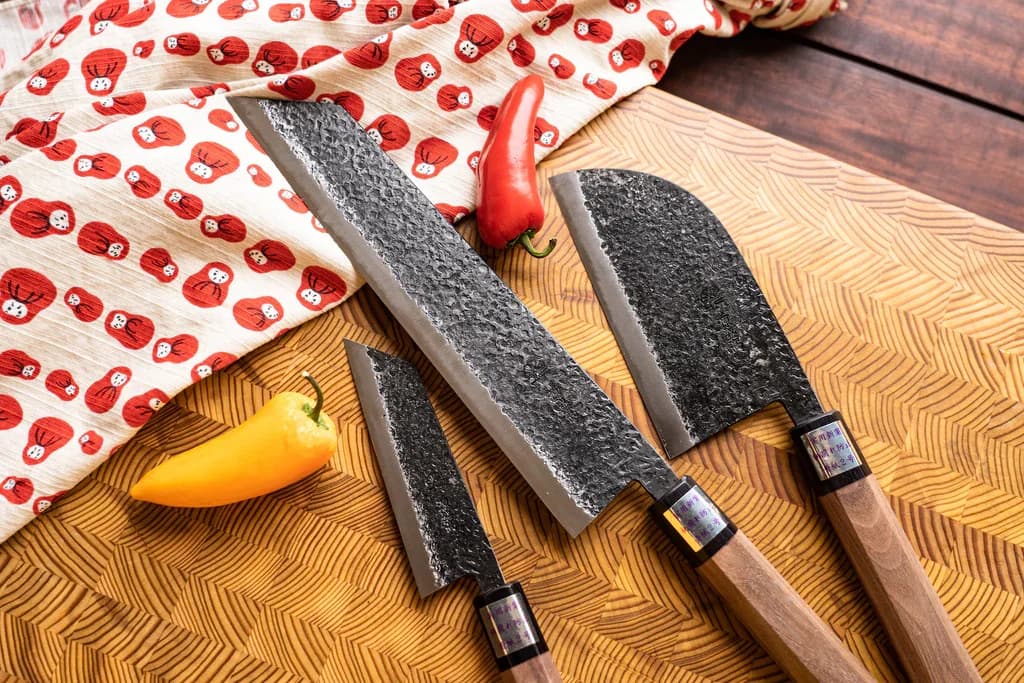
Why Are Kitchen Knives So Expensive?
Professional chef knives cost $100-$500+ for good reasons: quality steel, proper construction, and precision manufacturing. Learn what you're actually paying for.
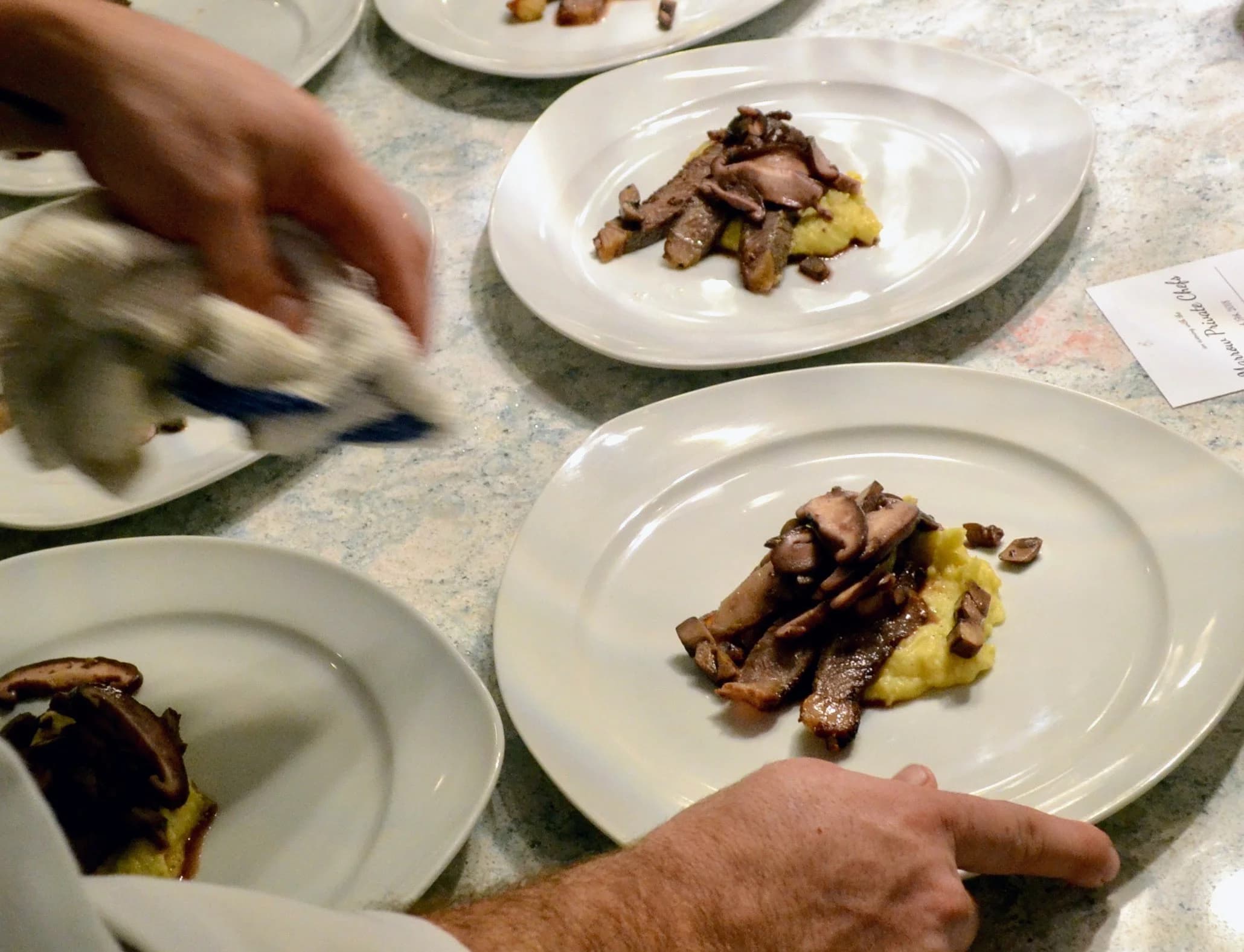
Why Chefs Wipe the Rim: The Details That Matter
Why do chefs meticulously wipe plate rims before service? Discover the small details that elevate professional dining experiences.
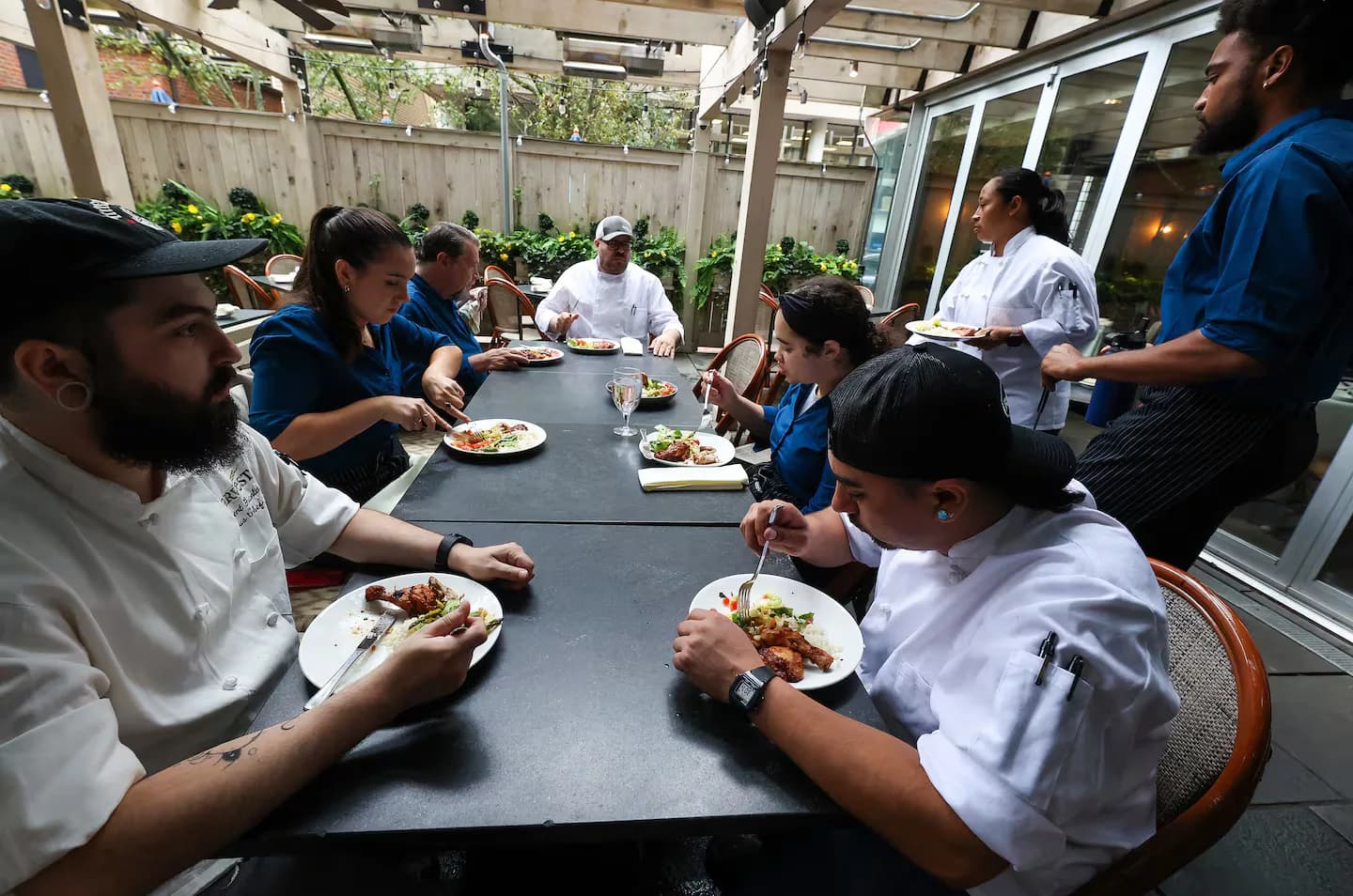
What Is "Family Meal" and Why Does It Matter?
Family meal is a restaurant tradition where staff eat together before service. Learn why this ritual matters for kitchen culture and what it reveals about values.