Why Chefs Wipe the Rim: The Details That Matter
Watch a professional chef plate a dish and you'll notice something consistent: before the plate leaves the station, they wipe the rim. Every time. Even if it looks clean.
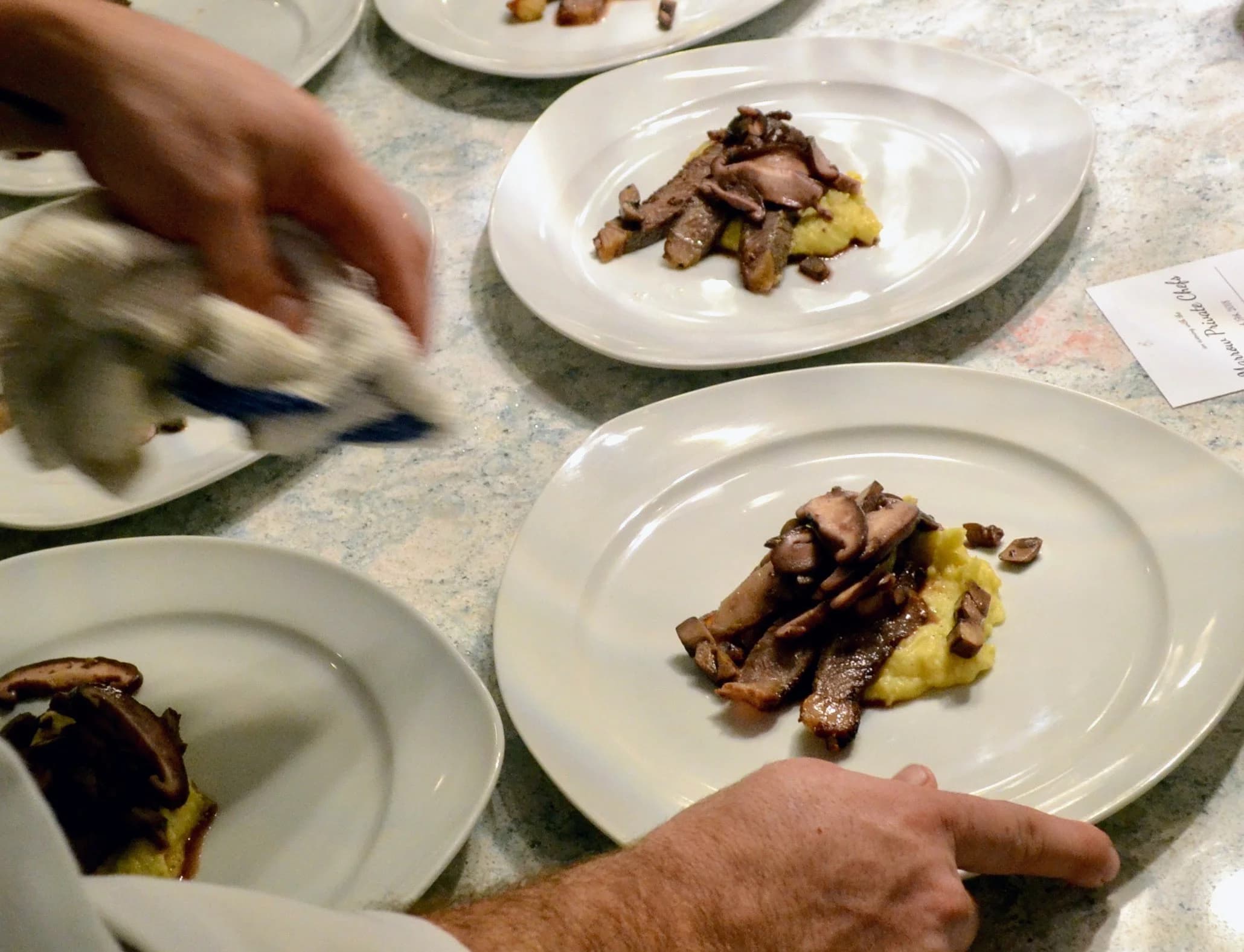
This isn't nervousness or perfectionism. It's a fundamental standard of professional cooking. The rim must be spotless. No sauce drips, no fingerprints, no stray garnish fragments. Nothing that distracts from the food itself.
To outsiders, this might seem like unnecessary fussing. To anyone who's worked professional kitchens, it's as basic as proper knife skills or clean stations. The plate rim matters because presentation is part of the dining experience.
Here's why.
First Impressions Are Visual
Food arrives before it's tasted. The guest sees the plate first — the arrangement, the colors, the composition. Within seconds, they've formed an impression about quality and care.
A spotless rim signals attention to detail. It says this food was prepared by someone who cares about every element of the experience. It suggests that if visible details are handled carefully, invisible details probably are too.
A smudged rim signals the opposite. It suggests carelessness or rush. Even if the food is exceptional, that first visual impression creates doubt.
Professional cooking means managing every aspect of the guest experience, including the first three seconds when the plate arrives.
Why Rims Get Dirty
During plating, sauce inevitably splashes. Fingers touch the rim when lifting or positioning the plate. Steam condenses. Garnish pieces fall.
This happens no matter how carefully you work. Professional cooking is fast, physical work. Plates get handled. Sauces get applied. The kitchen is hot and humid. Rims get messy.
The question isn't whether rims will get dirty during plating. The question is whether anyone checks before the plate leaves the kitchen.
Professional standards require checking. Every plate, every time.
The Tool: A Clean Side Towel
The actual wiping technique is simple. Most chefs use a clean, slightly damp side towel. Run it around the entire rim, checking for any drips, smudges, or fragments. Takes three seconds.
Some chefs use their finger wrapped in the towel for precision. Others hold the towel taut and run it along the rim. The specific technique matters less than the habit: check the rim before the plate goes out.
This is one of dozens of small standards that separate home cooking from professional service. None of them are complicated. Together, they create consistently excellent experiences.
What It Represents
Wiping the rim isn't really about the rim. It's about the broader principle: every detail matters.
If a chef doesn't check the rim, what else aren't they checking? Is the protein cooked to proper temperature? Are the vegetables seasoned correctly? Is the garnish fresh?
Conversely, if every rim is spotless, it suggests systematic attention to detail. The small things are handled, so probably the important things are too.
This is why professional kitchens make rim-wiping non-negotiable. It's a visible marker of overall standards.
The Pass: Final Quality Check
In restaurant kitchens, plates go through a station called the pass (short for "service pass") before reaching guests. This is where the expeditor and chef do final quality control.
Every plate gets checked:
- Is the food properly cooked? - Is the plating correct? - Are portions consistent with previous plates? - Are sauces applied correctly? - Is the temperature right? - Is the rim clean? The rim check is last. If everything else is perfect but the rim is smudged, the plate goes back. No exceptions.
This system ensures consistency. The hundredth plate meets the same standard as the first. Guests can't tell whether they ordered early or late in service because quality never varies.
Translating to Private Chef Service
When we're plating your four-course dinner in your vacation rental kitchen, we're using the same standards — adapted for a smaller, more intimate setting.
The pass is different. Instead of an expeditor checking every plate before it goes to the dining room, we're checking as we plate. But the principle remains: every detail matters, including the rim.
Your plates should arrive spotless, properly composed, with food at the correct temperature. The fact that we're working in a rental kitchen with different equipment doesn't change professional standards. It just means we adapt our systems to maintain those standards in varying conditions.
After 3,000 events, rim-wiping is automatic. We don't consciously think about it anymore than we think about washing our hands or checking temperatures. It's become instinctive.
Why Presentation Matters
Some people say presentation is secondary to taste. They're wrong about the relationship but right about the priority.
Taste is primary. Food must taste exceptional. But presentation isn't decoration added afterward. It's part of how taste is experienced.
Visual appeal affects expectation. Expectation affects perception. Perception affects enjoyment. A beautifully plated dish with a clean rim tastes better than the same dish carelessly presented. Not because the food changed, but because the complete experience includes visual elements.
Professional cooking means understanding this. The food is central. But everything surrounding the food — presentation, timing, service, atmosphere — contributes to the overall experience.
A spotless rim is a small piece of that complete picture.
The Discipline of Small Things
Professional kitchens run on accumulated discipline. No single standard — checking rims, confirming orders, maintaining mise en place, cleaning as you work — is particularly difficult. Together, they create the foundation for consistent excellence.
This is what professional training provides: not just technical skill, but the systems and habits that allow those skills to be applied reliably.
None of Marrow's three chef-owners attended culinary school. We learned by working professional kitchens on Florida's Gulf Coast. This means we absorbed standards by repetition and correction. Wipe the rim. Check the temperature. Taste the sauce. Clean your station. Confirm the order.
These habits become automatic. They're no longer conscious decisions. They're just how professional cooking works.
What Guests Never Notice
Here's the interesting thing about rim-wiping: when done properly, guests never notice. They don't look at a plate and think "wow, such a clean rim." They just see a well-presented dish that meets their expectations for quality.
The rim only becomes noticeable when it's dirty. Then it stands out immediately, creating a negative impression that affects the entire experience.
This is true for most professional standards. They're invisible when executed properly. They only become visible through absence.
Your private chef dinner should feel effortless. The food should arrive properly timed, beautifully plated, and impeccably presented. You shouldn't be thinking about technique or systems or standards. You should be focused on your guests and your evening.
The discipline that makes that possible — including checking every rim — remains in the background.
Why It Still Matters
In an era of casual dining, gastropubs, and deliberately rustic presentations, does rim-wiping still matter?
Yes. Because even casual presentations require intentionality. The difference between thoughtfully rustic and carelessly sloppy is attention to detail. A plate can look informal and still have a clean rim.
Professional standards aren't about formality. They're about care. They signal that someone is paying attention to every element of your experience.
At Marrow, our approach is refined but not stuffy. We bring restaurant-level quality to the relaxed environment of your vacation rental. This combination — exceptional food served in a comfortable setting — requires maintaining professional standards while adapting the atmosphere.
Spotless rims are part of that balance. They contribute to quality without creating formality.
The Broader Lesson
Wiping the rim teaches something important about professional cooking: excellence is built from accumulated details. No single element is dramatic. Together, they create experiences that feel special without guests being able to identify exactly why.
This is what 3,000 events have taught us. The difference between good and exceptional isn't usually one big thing. It's dozens of small things, executed consistently, that accumulate into an experience guests remember.
A clean rim is one of those small things. So is proper seasoning, precise timing, thoughtful presentation, genuine hospitality, thorough cleanup. None of them alone makes a meal memorable. Together, they create something exceptional.
What You're Paying For
When you book a private chef dinner, you're not just paying for ingredients and cooking skill. You're paying for professional discipline applied systematically to every element of your experience.
That includes standards you'll never consciously notice: clean rims, checked temperatures, tasted sauces, proper timing, thorough cleanup. These details operate invisibly, creating the foundation for an evening that feels effortless.
The fact that you don't think about these standards is the goal. We handle the details so you can stay present with your guests.
---
The next time you see a chef wipe a rim, you'll understand: this isn't perfectionism or nervous energy. It's a visible marker of professional standards.
Every detail matters. The small things matter. How food is presented matters. And consistent attention to these details is what separates professional service from simply cooking a meal.
At Marrow, we bring these standards to every private chef event on 30A. Your plates arrive spotless, properly composed, and professionally executed — not because we're trying to impress, but because that's simply how professional cooking works.
Ready to experience the difference professional standards make? View our menus or reach out to plan your evening.
Want to talk through what week works for your family?
Reach out — we respond within hours.
More from the journal
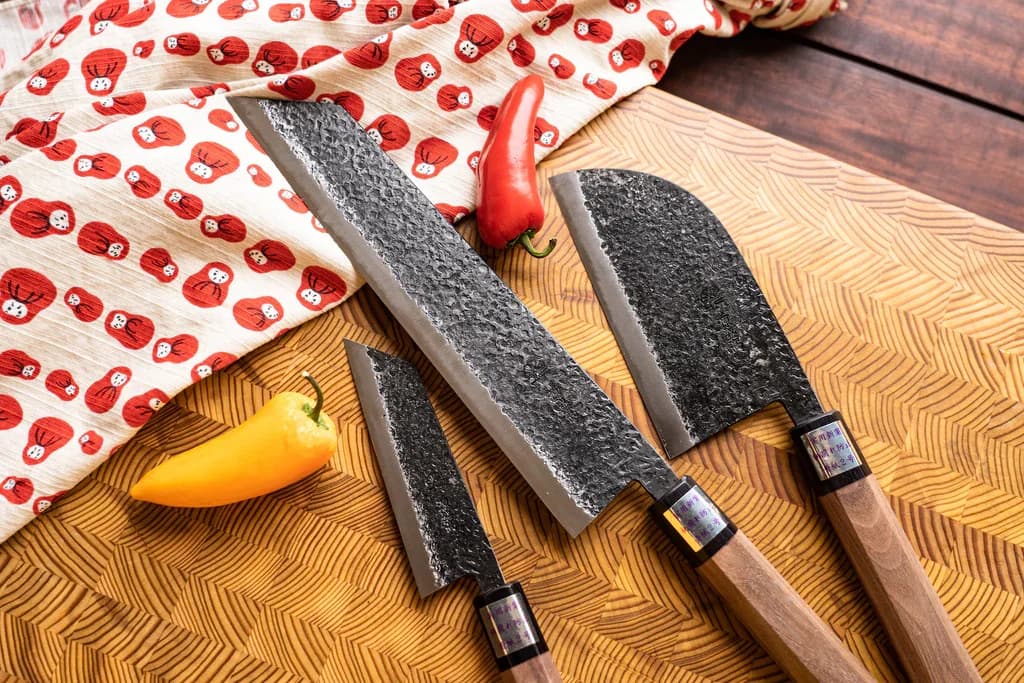
Why Are Kitchen Knives So Expensive?
Professional chef knives cost $100-$500+ for good reasons: quality steel, proper construction, and precision manufacturing. Learn what you're actually paying for.
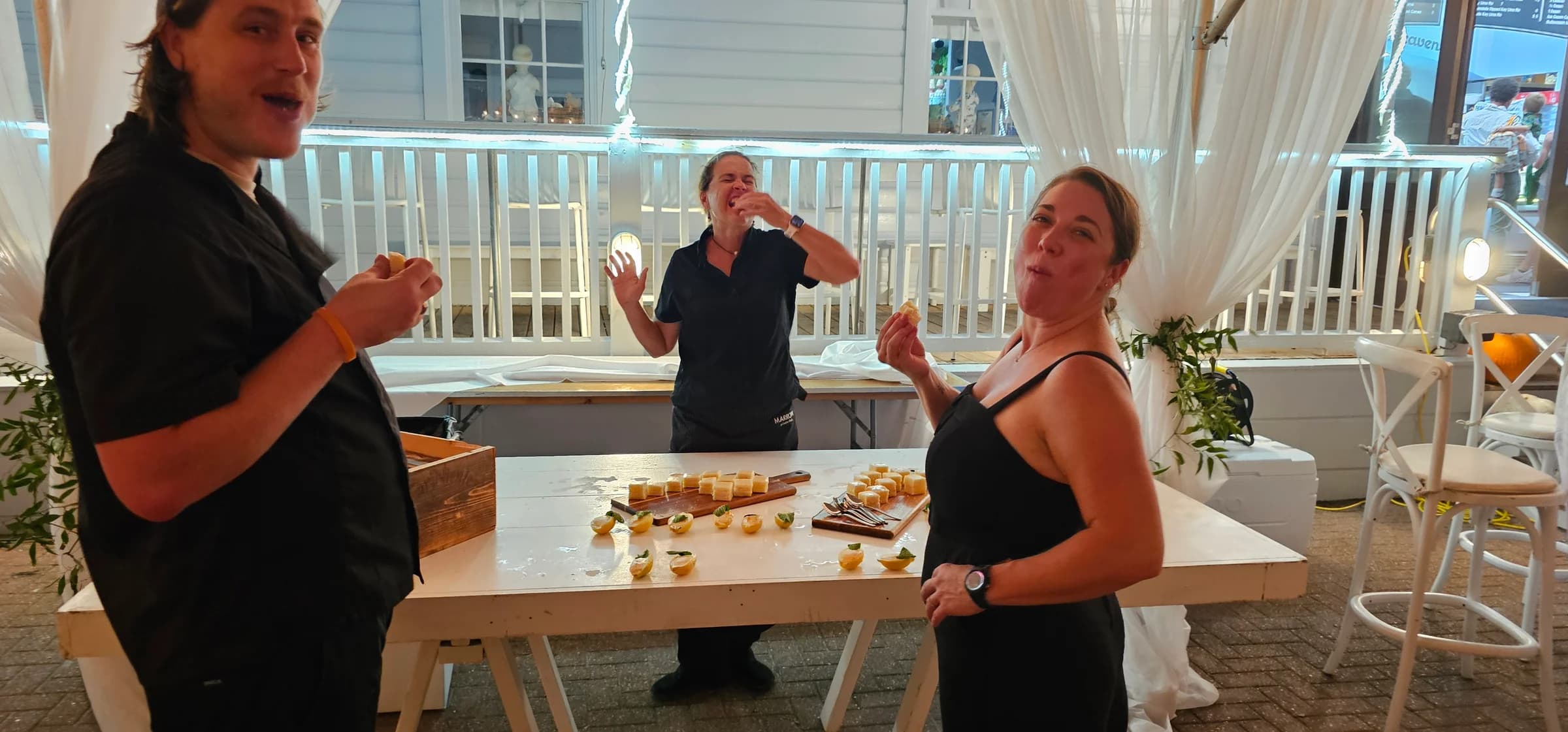
What Does "Tasting as You Go" Actually Mean?
Tasting as you go means progressive seasoning throughout cooking, not just at the end. Learn how professional cooks build depth and balance through constant adjustment.
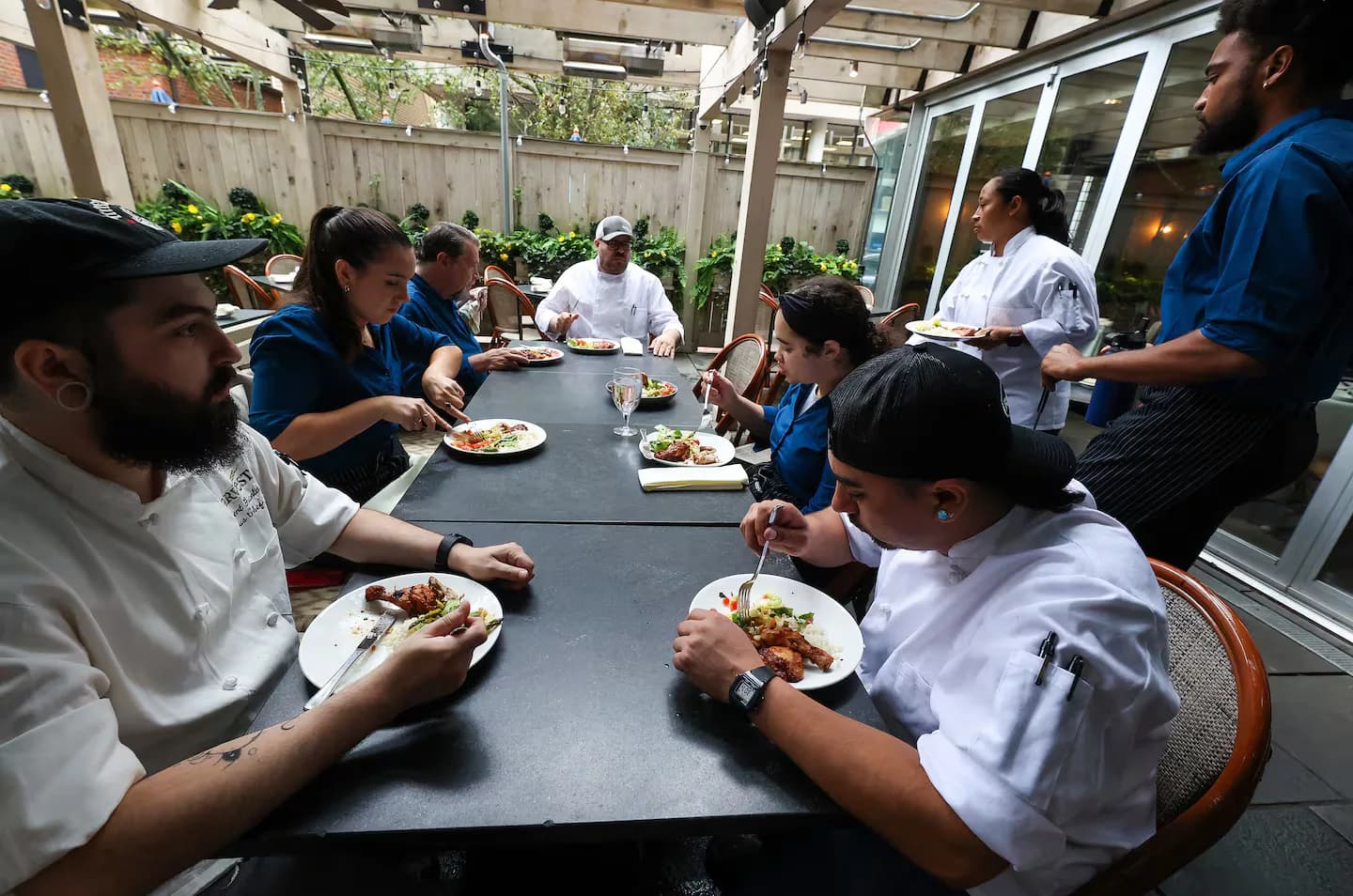
What Is "Family Meal" and Why Does It Matter?
Family meal is a restaurant tradition where staff eat together before service. Learn why this ritual matters for kitchen culture and what it reveals about values.