Why Are Kitchen Knives So Expensive?
A professional chef's knife can cost anywhere from $100 to over $500. For home cooks accustomed to $20 knife sets, this seems absurd. It's just a knife. How much difference could it possibly make?
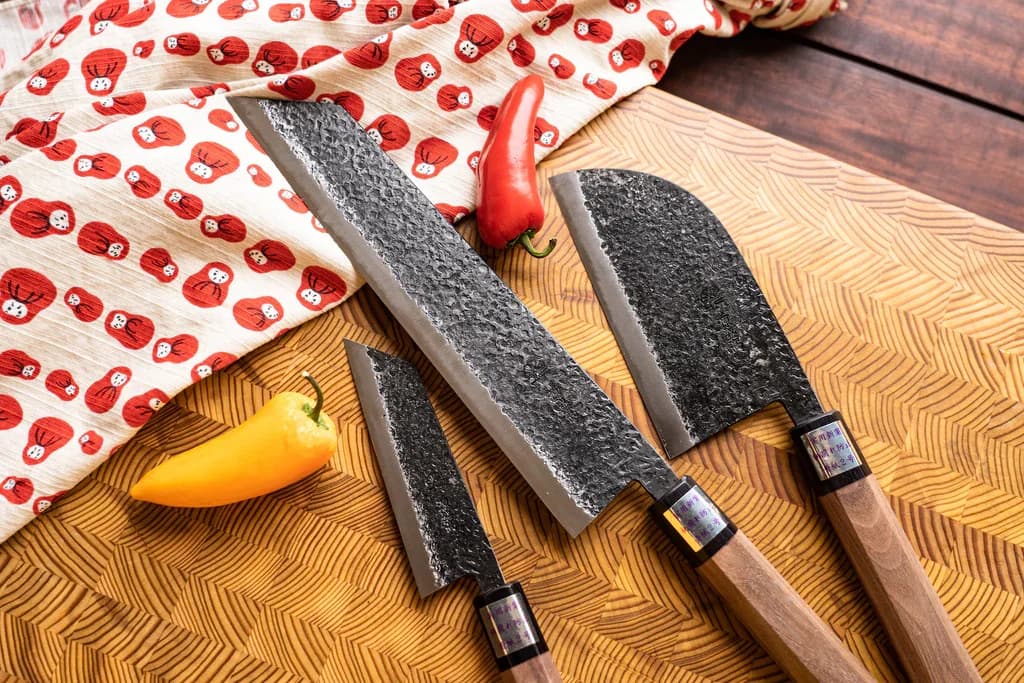
The answer is: enormous difference. But not in the way most people assume. Professional knives aren't expensive because of brand names or status symbols. They're expensive because quality materials, proper construction, and precise manufacturing actually cost money. And for professional cooks who use knives for hours daily, that investment pays off through better performance, longer lifespan, and reduced fatigue.
What You're Actually Paying For
Steel Quality: Professional knives use high-carbon steel or specialized alloys that hold edges longer, sharpen more easily, and resist corrosion better than cheap stainless steel. This steel costs significantly more to produce and requires more skill to work with.
Construction Method: Quality knives are forged from single piece of steel rather than stamped from sheet metal. Forging creates denser, stronger blade with better balance. This process requires skilled labor and specialized equipment.
Heat Treatment: Proper hardening and tempering of blade requires precise temperature control and timing. This process determines how well knife holds edge and how easy it is to sharpen. Cheap knives skip these steps or execute them poorly.
Balance and Design: Professional knives are designed with specific balance point, weight distribution, and ergonomics. This requires engineering and testing, not just copying shapes.
Handle Construction: Quality handles use materials that provide proper grip, withstand frequent washing, and attach securely to blade. Cheap handles crack, loosen, and become breeding grounds for bacteria.
Why It Matters for Professional Use
Professional cooks use knives intensively. A line cook might make thousands of cuts during single service. A prep cook breaks down proteins and vegetables for hours.
This intensive use makes quality essential:
Sharpness Retention: Cheap knives dull quickly under professional use. Quality knives maintain edges longer, reducing time spent sharpening and improving cut quality.
Reduced Fatigue: Properly balanced, sharp knives require less force. This reduces hand, wrist, and arm fatigue during extended use. The difference becomes dramatic over hours of continuous cutting.
Precision: Quality knives allow more precise cuts. This matters for even cooking, professional presentation, and efficient use of ingredients.
Safety: Counterintuitively, sharp professional knives are safer than dull cheap ones. Dull knives require more force, increasing chance of slipping. Sharp knives cut cleanly with controlled pressure.
Longevity: Quality knife properly maintained can last decades. Cheap knife might last months under professional use before breaking, bending, or becoming impossible to sharpen.
The Culture Around Knives
In professional kitchens, knives carry cultural significance beyond just being tools. Your knife kit represents personal investment in your craft. The way you maintain your knives demonstrates professionalism and respect for your work.
Cooks learn specific rules:
Never use someone else's knife without asking. Knives are personal tools, sharpened to specific preferences. Using someone's knife without permission is serious breach of kitchen etiquette.
Maintain your knives properly. This means regular sharpening, proper storage, immediate cleaning after use. Neglecting knife maintenance signals lack of professional discipline.
Invest in quality as you can afford it. Young cooks often start with modest knives and upgrade over time as they develop skills and earn more. The progression represents growing commitment to profession.
None of Marrow's three chef-owners attended culinary school, but we learned these cultural norms working professional kitchens on the Gulf Coast. Respect for tools and proper maintenance weren't optional—they were essential aspects of professional identity.
What Home Cooks Need
Home cooks don't need $500 knives. The intensive use that justifies professional-grade equipment doesn't exist in home kitchens. A good $100-150 chef's knife will serve most home cooks excellently for years.
What matters more than price is:
Getting proper knife for your needs: One quality chef's knife is better than cheap knife set with twelve pieces you'll never use.
Learning proper technique: Even modest knife performs well with good technique. Expensive knife won't compensate for poor cutting skills.
Maintaining it properly: Cheap knife properly maintained outperforms expensive knife that's never sharpened or is stored loose in drawer getting damaged.
The Diminishing Returns
Knife quality follows diminishing returns curve. The difference between $20 knife and $100 knife is enormous. The difference between $100 knife and $300 knife is noticeable but smaller. The difference between $300 knife and $800 knife is subtle, mostly appreciated by professionals who use knives constantly.
For professional cooks, the investment in premium knives makes sense. The performance improvement, reduced fatigue, and longevity justify cost. For home cooks, the mid-range often provides best value.
What Makes Japanese Knives Different
Japanese knives command premium prices for specific reasons:
Harder Steel: Japanese knives typically use harder steel that holds sharper edges longer. This requires more careful maintenance and skilled sharpening but provides superior cutting performance.
Thinner Blades: Japanese knives have thinner blade geometry, creating less resistance during cutting. This makes precise cuts easier and reduces fatigue.
Different Tradition: Japanese knife-making tradition emphasizes different priorities than Western tradition. Understanding these differences helps appreciate why Japanese knives cost what they do.
These aren't marketing gimmicks. They're genuine engineering and construction differences that affect performance. Whether those differences matter to you depends on your use case and preferences.
The Professional Investment
Most professional cooks accumulate knife collection over years:
Chef's Knife: Primary workhorse for most cutting tasks. This gets most investment and care.
Paring Knife: Small knife for detailed work, peeling, trimming.
Boning Knife: Flexible blade for breaking down proteins, following contours.
Bread Knife: Serrated blade for clean slicing without crushing.
Specialty Knives: Additional knives based on specific needs and cooking style.
This collection might represent $500-1500 total investment built over years. For someone using these tools professionally for decades, this amortizes to negligible annual cost.
Why Sharpening Matters
Expensive knife that's never sharpened performs worse than cheap knife that's properly maintained. Sharpening is essential skill that many cooks undervalue.
Professional cooks learn to sharpen using whetstones, developing feel for proper angle, pressure, and number of passes. This skill requires practice but isn't particularly difficult once you understand principles.
Some kitchens have professional sharpening services visit weekly. Others expect cooks to maintain their own edges. Either way, sharp knives are non-negotiable in professional settings.
What We Use
After 3,000 private chef events, we've settled on knife collection that balances quality, performance, and practicality. These aren't the most expensive knives available, but they're professional-grade tools that perform reliably.
We maintain them carefully: regular sharpening, proper storage, immediate cleaning after use. This maintenance is automatic habit developed through years of professional work.
The investment matters not because expensive knives make us better cooks, but because quality tools properly maintained allow us to work efficiently and precisely across thousands of events.
The Bottom Line
Professional knives are expensive because quality materials, proper construction, and precision manufacturing cost money. For professional use, this investment is justified through better performance, longevity, and reduced fatigue.
For home cooks, modest investment in quality knife and proper maintenance provides most of the benefits without extreme cost.
What matters most isn't price—it's match between tool and use case, combined with proper maintenance and good technique.
---
Professional kitchen knives represent intersection of engineering, tradition, and practical necessity. The cost reflects genuine quality differences that matter for intensive professional use.
At Marrow, we bring professional tools and professional technique to every private chef event on 30A. Quality equipment properly maintained allows precise execution across 3,000 events.
The tools matter. The skill and care applied with them matter more.
Ready to experience professional cooking executed with proper tools and genuine skill? View our menus or get in touch to plan your dinner.
Want to talk through what week works for your family?
Reach out — we respond within hours.
More from the journal
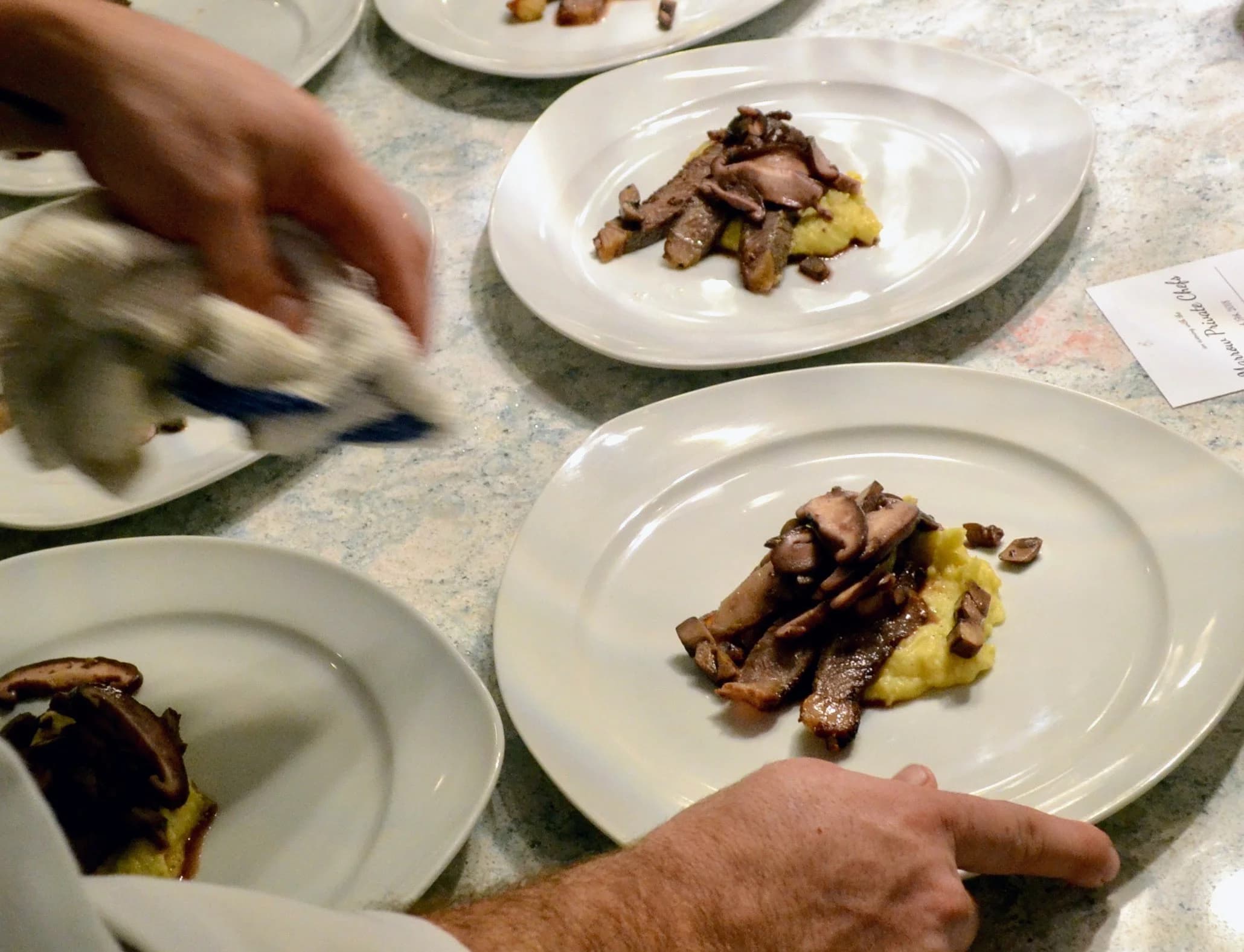
Why Chefs Wipe the Rim: The Details That Matter
Why do chefs meticulously wipe plate rims before service? Discover the small details that elevate professional dining experiences.

What Does "Tasting as You Go" Actually Mean?
Tasting as you go means progressive seasoning throughout cooking, not just at the end. Learn how professional cooks build depth and balance through constant adjustment.
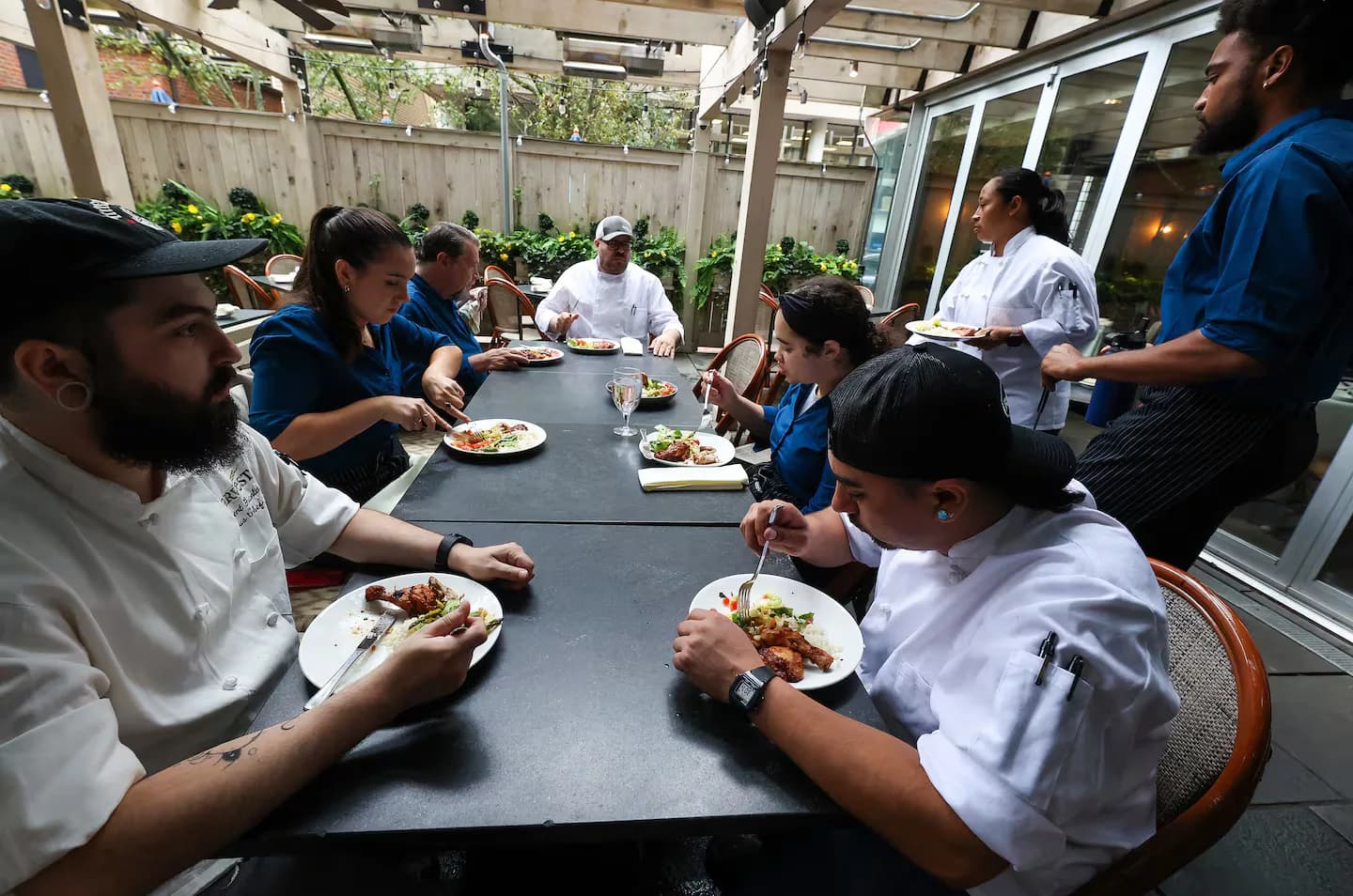
What Is "Family Meal" and Why Does It Matter?
Family meal is a restaurant tradition where staff eat together before service. Learn why this ritual matters for kitchen culture and what it reveals about values.