What Is "The Pass" and Why Does It Matter?
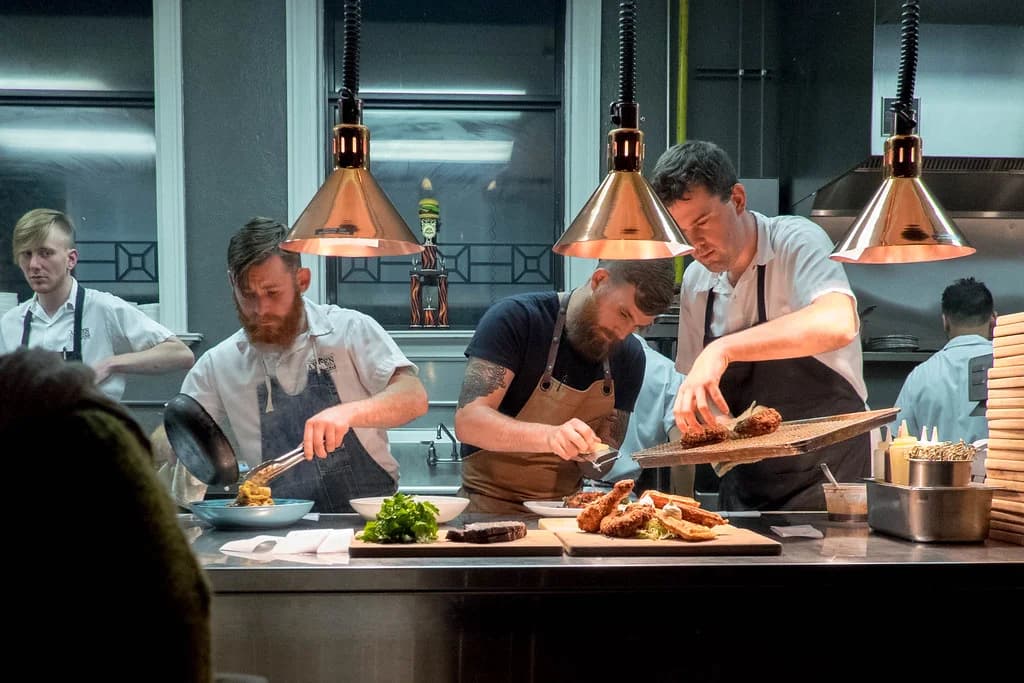
In professional restaurant kitchens, there's a critical station between the cooking line and the dining room: the pass, short for "service pass" or "hot pass." This is where every plate stops for final inspection before reaching guests. It's quality control checkpoint, coordination hub, and command center all in one. Understanding the pass reveals how professional kitchens maintain consistency across hundreds of plates during busy service. It's not just about checking if food looks right. It's about systematic verification that ensures the hundredth plate meets the same standard as the first.
What The Pass Actually Is
Physically, the pass is counter or shelf positioned between kitchen and dining room, usually equipped with heat lamps to keep plated food at proper temperature while waiting for complete table orders. Functionally, it's much more: Quality control station: Every plate gets inspected before leaving the kitchen Coordination hub: Where timing across multiple stations converges Communication center: Where kitchen and front-of-house connect Command post: Where chef or sous chef manages entire service Final checkpoint: Last opportunity to catch and correct errors The pass is where good kitchens separate themselves from mediocre ones. Systems and standards get enforced here.
Who Works The Pass
Typically, the executive chef or sous chef works the pass during service. This person has authority to send plates back, adjust presentations, and make final decisions about what leaves the kitchen. Working the pass requires specific skills: Quality assessment: Ability to identify incorrect portioning, improper cooking, or sloppy presentation at a glance Coordination: Managing timing across multiple stations so complete table orders finish simultaneously Communication: Clear, rapid exchanges with both kitchen stations and front-of-house staff Decision-making: Instant judgment calls about whether plates meet standards Problem-solving: Quick fixes when something's wrong and tickets are backing up This isn't position for inexperienced cooks. You need deep knowledge of every station, high standards, and ability to manage pressure when service gets intense.
What Gets Checked
Every plate passing through gets rapid assessment: Cooking doneness: Is the protein cooked to ordered temperature? Are vegetables properly cooked? Portioning: Are portions consistent with standards? Does plate look as generous as it should? Presentation: Is plating executed according to established standard? Are components positioned correctly? Cleanliness: Is the rim wiped clean? Are there sauce drips or stray garnish pieces? Temperature: Is hot food still hot? Is cold food still cold? Completeness: Are all components present? Nothing forgotten or missing? This assessment happens in seconds. The person working the pass develops ability to spot problems instantly.
Why It Prevents Errors
Without the pass, mistakes reach guests: Station-level errors: Cook focused on their specific task might miss broader issues Timing problems: Dishes might be perfect when plated but sit too long before serving Communication breakdowns: Orders might be misunderstood or incompletely executed Quality variations: Standards might drift as service progresses and pressure builds Forgotten elements: Components might be omitted in the rush The pass catches these errors before they leave the kitchen. A plate sent back costs time and creates stress, but it's better than unhappy guest receiving substandard food. None of Marrow's three chef-owners attended culinary school, but we learned the importance of final quality checks working professional kitchens on the Gulf Coast. The pass wasn't optional suggestion—it was non-negotiable checkpoint ensuring nothing left the kitchen incorrectly.
The Communication Function
The pass is where kitchen and dining room connect: Servers collect finished plates for delivery to tables Servers communicate special requests or modifications Kitchen confirms timing for coursing and pacing Both sides coordinate on which tables are ready for next course Problems get addressed before affecting guest experience This communication prevents common service failures: courses arriving in wrong order, long waits between courses, or food sitting under heat lamps too long.
How It Enables Consistency
Restaurants maintaining quality across hundreds of covers nightly rely on the pass for consistency: Standards get enforced: Every plate must meet the same standard regardless of who cooked it or when Variations get caught: If portions start drifting or presentations change, the pass catches it Corrections happen immediately: Problems get fixed before patterns establish New staff get feedback: Inexperienced cooks learn standards through corrections at the pass This systematic checking is why established restaurants can maintain quality even with staff turnover. The pass ensures standards persist regardless of who's cooking.
The Timing Coordination
One of the pass's critical functions is timing coordination. A four-top orders four different entrees. Each has different cook time. Everything must finish simultaneously so the table receives food together. The person working the pass manages this: Calls items at staggered times so they converge Monitors progress across stations Adjusts timing based on current kitchen pace Holds ready items under heat lamps briefly if needed Ensures complete orders leave together This coordination is why restaurant food arrives properly paced. Someone's actively managing the timing across multiple moving pieces.
When Plates Get Sent Back
The pass is where chefs send back plates that don't meet standards. This isn't personal criticism—it's quality control: Incorrect cooking: "This ribeye was ordered medium-rare. It's medium. Refire." Poor presentation: "This garnish is sloppy. Redo the plate." Missing components: "Where's the sauce? This needs to be complete." Temperature issues: "This sat too long. Start over so it's hot." Cooks sometimes resist these corrections, especially when they're in the weeds. But the standard doesn't change based on how busy you are. The hundredth plate must match the first.
The Private Chef Difference
Private chef service doesn't have formal pass in the restaurant sense. We're not managing multiple tables with different timing requirements. But the principle remains: nothing leaves our workspace without verification. When we're plating your four-course dinner in your vacation rental kitchen, we're applying pass principles: Check each element before it goes on the plate Verify presentation matches standards Confirm temperature is appropriate Inspect cleanliness of rims and presentations Ensure completeness of all components After 3,000 events, this verification is automatic. We don't consciously think "I'm working the pass now." The quality check just happens before any plate leaves our control.
What It Reveals About Standards
Kitchens serious about quality have rigorous pass protocols. Kitchens with weak standards treat the pass casually or skip it entirely. You can assess a kitchen by watching the pass: Do plates get inspected thoroughly or waved through? Do substandard plates get sent back or let go? Does the pace stay controlled or devolve into chaos? Do standards persist or drift during busy periods? The answers reveal the kitchen's actual priorities beyond marketing language.
The Learning Function
For young cooks, corrections at the pass provide education: You learn what "properly cooked" actually means by having plates sent back when they're not quite right. You learn presentation standards by having sloppy plating rejected. You internalize portioning by experiencing when your plates are too large or too small. This real-time feedback loop teaches standards faster than abstract instruction. The corrections aren't theoretical—they have immediate consequences during actual service.
Why It Can't Be Skipped
Some restaurants try to eliminate the pass to save labor or speed service. This almost always degrades quality: Errors reach guests that would have been caught Standards drift without systematic enforcement Timing coordination suffers without central management Communication breaks down between kitchen and dining room Quality becomes inconsistent across service The pass isn't optional for restaurants serious about consistency. It's essential checkpoint that enables reliable quality.
The Broader Lesson
The pass teaches something applicable beyond restaurants: quality requires verification systems, not just good intentions. You can't maintain standards by hoping everyone does everything correctly. You need checkpoints where standards get actively enforced. This applies to any work requiring consistent quality. Verification isn't micromanagement—it's systematic approach to preventing errors before they reach final output.
---
The pass is where professional kitchens enforce standards, coordinate timing, and verify quality before plates reach guests. It's essential checkpoint that enables consistency across hundreds of plates during service. At Marrow, we bring pass principles to private chef service: systematic verification before any plate leaves our control, standards that don't vary based on conditions, quality checks that ensure consistency. The checkpoint operates invisibly. You just experience reliably excellent food. Ready to experience cooking built on systematic quality control? Explore our menus or reach out to plan your dinner on 30A.
Want to talk through what week works for your family?
Reach out — we respond within hours.
More from the journal
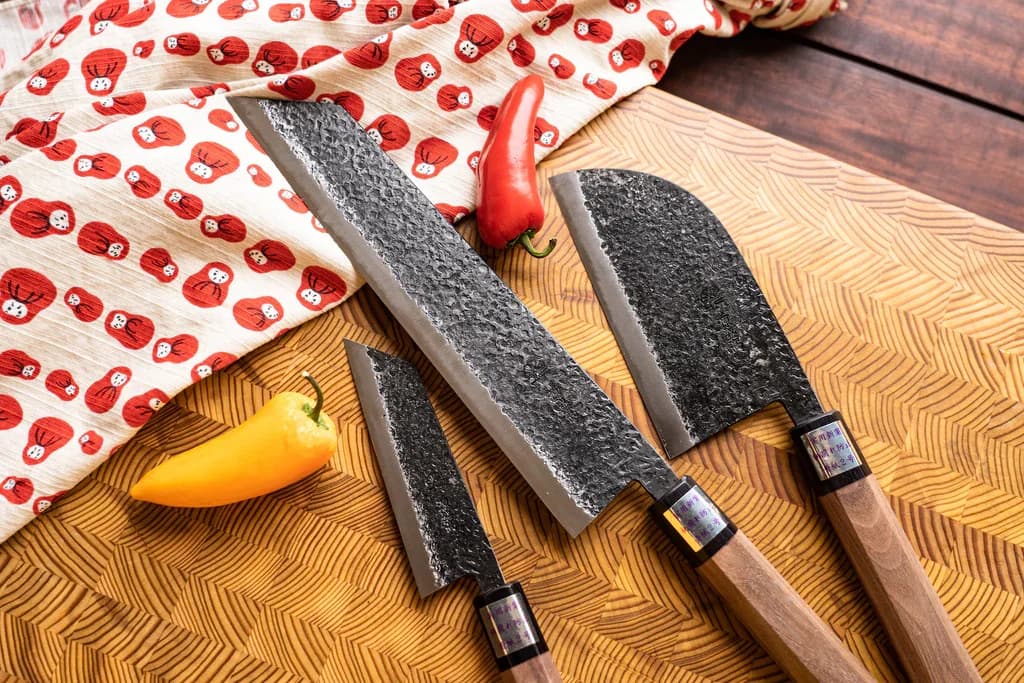
Why Are Kitchen Knives So Expensive?
Professional chef knives cost $100-$500+ for good reasons: quality steel, proper construction, and precision manufacturing. Learn what you're actually paying for.
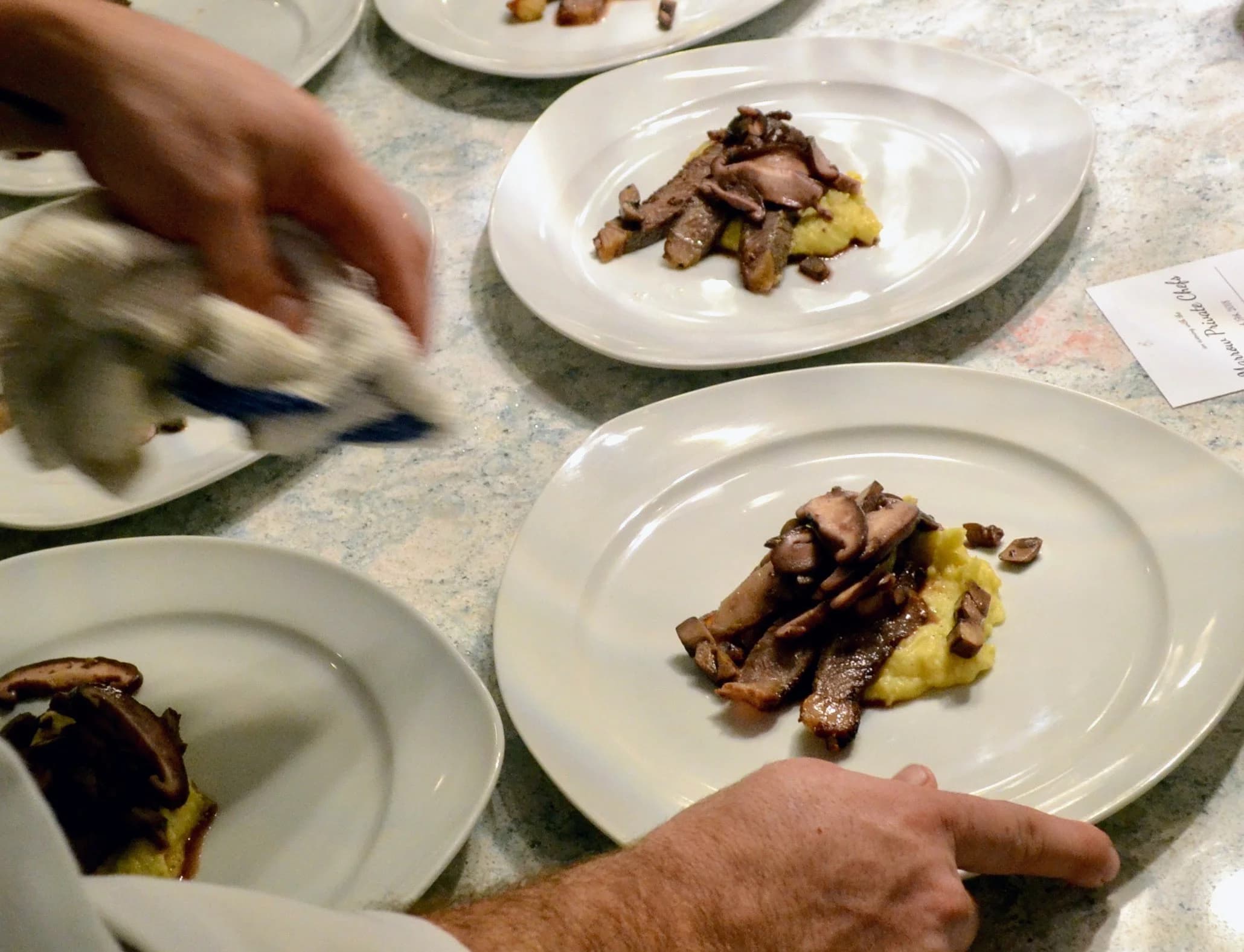
Why Chefs Wipe the Rim: The Details That Matter
Why do chefs meticulously wipe plate rims before service? Discover the small details that elevate professional dining experiences.
What Does "Tasting as You Go" Actually Mean?
Tasting as you go means progressive seasoning throughout cooking, not just at the end. Learn how professional cooks build depth and balance through constant adjustment.