The Meaning Behind "Fire" and "All Day" in Professional Kitchens
Listen to any professional kitchen during service and you'll hear two phrases repeated constantly: "Fire table twelve" and "two salmon, three ribeye, all day." To outsiders, this sounds like coded language. To anyone who's worked a busy service, it's essential communication. These terms exist because standard English isn't precise or fast enough when you're managing twenty tables and forty dishes simultaneously. Here's what they actually mean and why they matter.
"Fire" — The Starting Gun
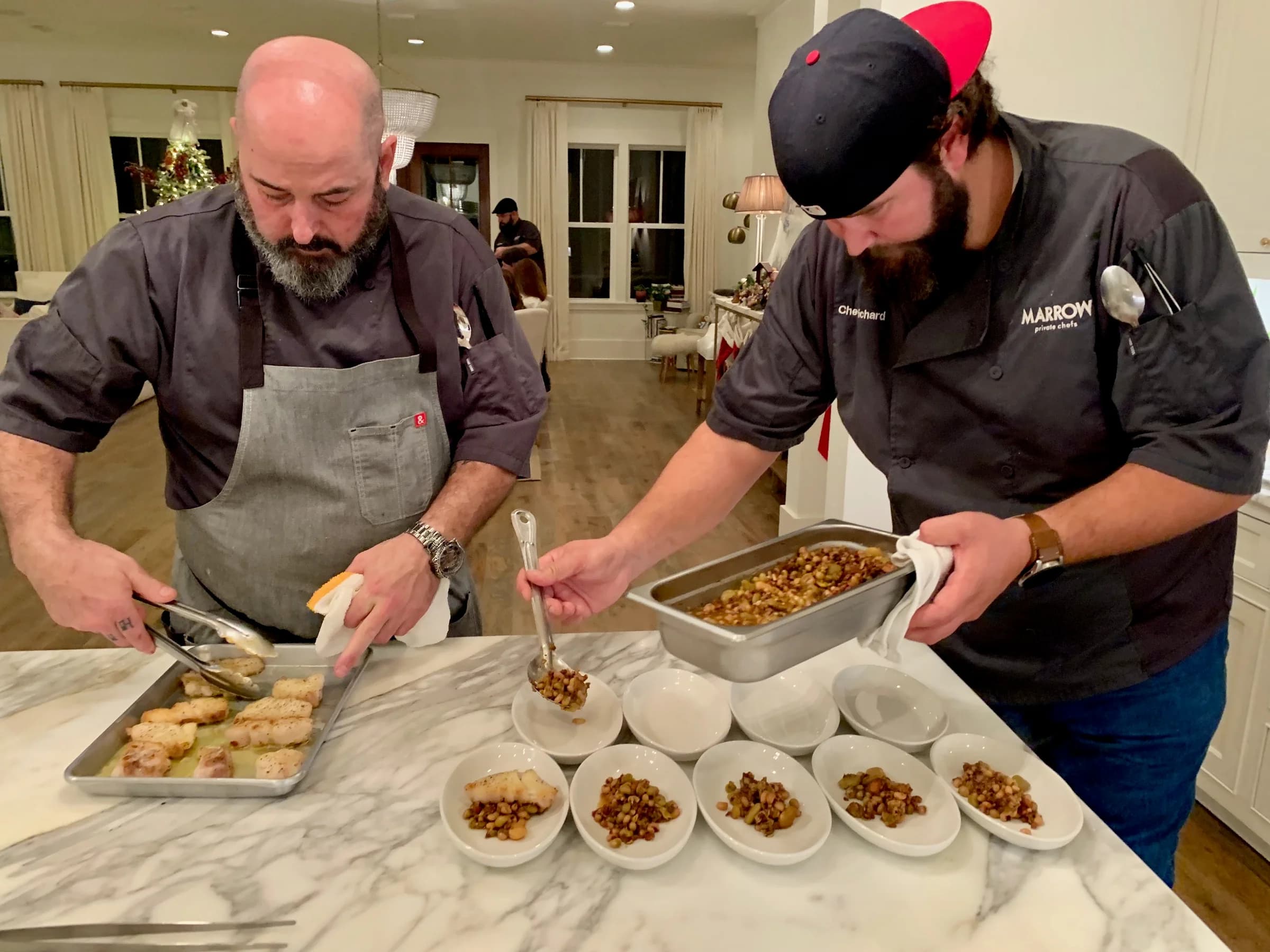
When a chef says "fire the scallops," it means start cooking them now. Not prep them. Not get them ready. Begin the cooking process this moment so they'll be ready when the other courses are plated. This distinction matters because professional cooking is about timing. A four-top orders four different entrees. Each has a different cook time. The ribeye needs twelve minutes. The fish needs six. The pasta needs three. Everything must finish simultaneously so the table receives their food together, properly plated, at the correct temperature. "Fire" is the signal that starts each item at the precise moment needed for synchronized completion.
The Timing Dance
Here's what this looks like in practice: The ticket prints. The chef reads the entire order and calculates backwards from the target finish time. The ribeye fires first. Six minutes later, fire the fish. Three minutes after that, fire the pasta. The sides are timed to match. Everything converges on the pass within a thirty-second window. This is happening across multiple tables simultaneously. The chef is managing a complex timing matrix, constantly recalculating as new orders arrive and old ones near completion. "Fire" is the signal that keeps everything synchronized. Without precise timing language, this coordination would be impossible.
"All Day" — The Running Total
"All day" means the total count needed across all active tickets. When a chef says "three salmon all day," they're not talking about one table or one ticket. They're announcing the cumulative total of salmon currently being cooked or about to be cooked. This matters during busy service when multiple tables order the same dish. Instead of tracking each ticket separately, the chef maintains a running count: "How many ribeyes do we need right now, across everything that's firing?" "Two ribeye all day" might be one order of two, or two separate orders of one. The distribution doesn't matter to the cook on the grill station. What matters is the total count they need to execute.
Why Running Totals Matter
Professional kitchens operate on a "call and confirm" system. The expeditor (expo) calls the order: "Two salmon, one ribeye, three sides of asparagus." Each station confirms: "Two salmon, heard." "One ribeye, heard." "Three asparagus, heard." Then comes the crucial part: "That's three salmon, two ribeye all day." This running total prevents mistakes. If the grill cook thought they had two ribeyes but the all-day count says three, something's wrong. They missed an order. The discrepancy gets caught before the food goes out. The "all day" call is a real-time audit system that runs throughout service.
Communication Under Pressure
Here's what makes this language essential: professional kitchens are loud, hot, and moving fast. Multiple conversations happen simultaneously. The expo is calling tickets. The sous chef is coordinating timing. The pastry chef is asking about dessert orders. Servers are requesting modifications. In this environment, clarity and brevity aren't luxuries. They're requirements. "Fire the salmon" is four syllables. "Start cooking the salmon now" is seven syllables and less precise. "Three all day" is four syllables. "We need three total across all current orders" is twelve syllables and easy to mishear. The specialized language exists because it works better than standard English when speed and precision both matter.
The Confirmation System
Professional kitchens never assume communication was received. Every instruction gets confirmed: Expo: "Fire two salmon, one ribeye" Station: "Two salmon, one ribeye, heard" The word "heard" (or sometimes "yes chef") confirms receipt and understanding. Without confirmation, the expo repeats the instruction. This system catches problems immediately. If the fish station doesn't confirm, they didn't hear the order. If they confirm but repeat it wrong, the error gets corrected before cooking begins. The language is redundant by design. In a perfect world, you'd only need to say something once. In a busy kitchen, you assume some percentage of communication will be missed or misheard. The confirmation system compensates.
What This Means for Private Chef Service
When we're executing your private chef dinner, we're using these same systems — adapted for a different environment. We're not managing multiple tables or calling tickets. But we are coordinating multiple courses, timing each element to arrive properly sequenced, ensuring everything is at the correct temperature when served. The challenge is different but related: instead of synchronizing twenty tables, we're synchronizing four to nine courses for your specific group, served at the exact time you've chosen to begin dinner. This requires the same discipline. Calculate backwards from the target. Fire each element at the precise moment. Maintain awareness of everything currently in progress. Adjust for variables. Deliver everything properly timed and executed. After 3,000 events, this timing discipline is instinctive. Your first course arrives at 6:30 because we calculated every element to converge at that moment. Not approximately. Exactly.
Why None of This Is Visible
Professional cooking means handling complexity so guests experience simplicity. When your four-course dinner arrives perfectly timed, properly plated, and precisely executed, you're seeing the result of systems and language you never hear. We don't say "fire" or "all day" because we're not managing the same volume or coordination complexity as a busy restaurant kitchen. But the discipline behind those terms — precise timing, clear communication, constant awareness of everything in progress — carries over completely. This is what professional training provides: not just technique, but systems for executing under real conditions.
The Learning Curve
You can't learn this language from a book. You learn it by working service after service, by making mistakes and getting corrected, by hearing it used thousands of times until the meaning becomes instinctive. When an expo says "fire four ribeye, two salmon, three all day," experienced cooks process that information instantly. They don't translate it to standard English mentally. They hear it directly as instruction and count. This is why professional kitchen experience matters. None of Marrow's three chef-owners attended culinary school. We learned by working real kitchens, absorbing the language and systems through immersion. The terms aren't separate from the work. They're part of how professional cooking functions.
Why Language Precision Matters
Consider the alternative. Imagine an expo saying "Start cooking two salmon now, and by the way, across all the tickets we're currently working on, we need a total of three salmon." That's twelve seconds versus two seconds. In a busy kitchen managing dozens of orders, that communication inefficiency compounds. Service slows. Errors increase. The entire operation degrades. "Fire two salmon, three all day" communicates the same information in two seconds. Every cook understands immediately. The system works because the language is precise. This is the real lesson: professional cooking requires purpose-built language because standard communication isn't optimized for the specific demands of kitchen service.
The Broader Application
The same principle applies beyond kitchen language. Professional cooking develops specialized systems for everything: knife skills, station organization, mise en place, cleaning protocols, safety procedures. These aren't traditions maintained for their own sake. They're functional solutions that evolved because they work better than alternatives. When we're preparing your private chef dinner, we're applying these same systems. They're invisible to you, but they're why your experience feels effortless. The menu appears simple. The service feels relaxed. The timing is perfect. Behind that simplicity is professional discipline applied systematically to every element.
What Guests Experience
When your server places the first course at your table at exactly 6:30 p.m., you're not thinking about timing systems or kitchen communication protocols. You're thinking about the food, your guests, your evening. Which is exactly right. Professional service means handling complexity so guests can focus on what matters: connecting with the people they're with, savoring good food, creating memories. The language and systems that make this possible remain in the background, where they belong.
The Persistence of Professional Standards
"Fire" and "all day" have been kitchen standards for decades. They persist because they solve real problems better than alternatives. This is the nature of professional cooking: whatever works survives. Techniques, language, systems, approaches — if they deliver results under real conditions, they become standard. If they don't, they disappear. After 3,000 private chef events, we've learned that the principles behind "fire" and "all day" — precise timing, clear communication, constant awareness — apply regardless of service environment. Your dinner might be served in a beach house kitchen rather than a restaurant. But the professional standards remain the same. --- The next time you hear a chef say "fire" or "all day," you'll understand: this isn't restaurant theater or unnecessary jargon. It's functional language that evolved because professional kitchens need precision and speed simultaneously. At Marrow, we bring that same discipline to every private chef event. Clear communication. Precise timing. Systems that work under real conditions. You don't hear the language or see the systems. You just experience the result: exceptional food, perfectly timed, served with genuine hospitality. Ready to experience professional chef service on the Emerald Coast? Explore our menus or get in touch to start planning.
---
Marrow Private Chefs — serving 30A, Destin, and the Emerald Coast since 2018.
Want to talk through what week works for your family?
Reach out — we respond within hours.
More from the journal
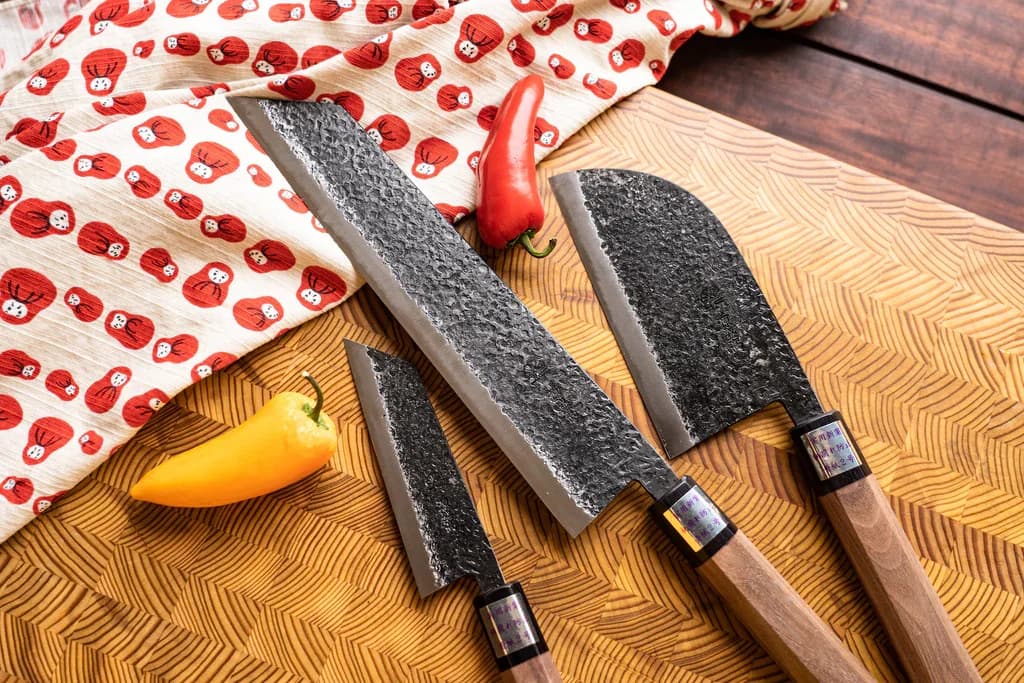
Why Are Kitchen Knives So Expensive?
Professional chef knives cost $100-$500+ for good reasons: quality steel, proper construction, and precision manufacturing. Learn what you're actually paying for.
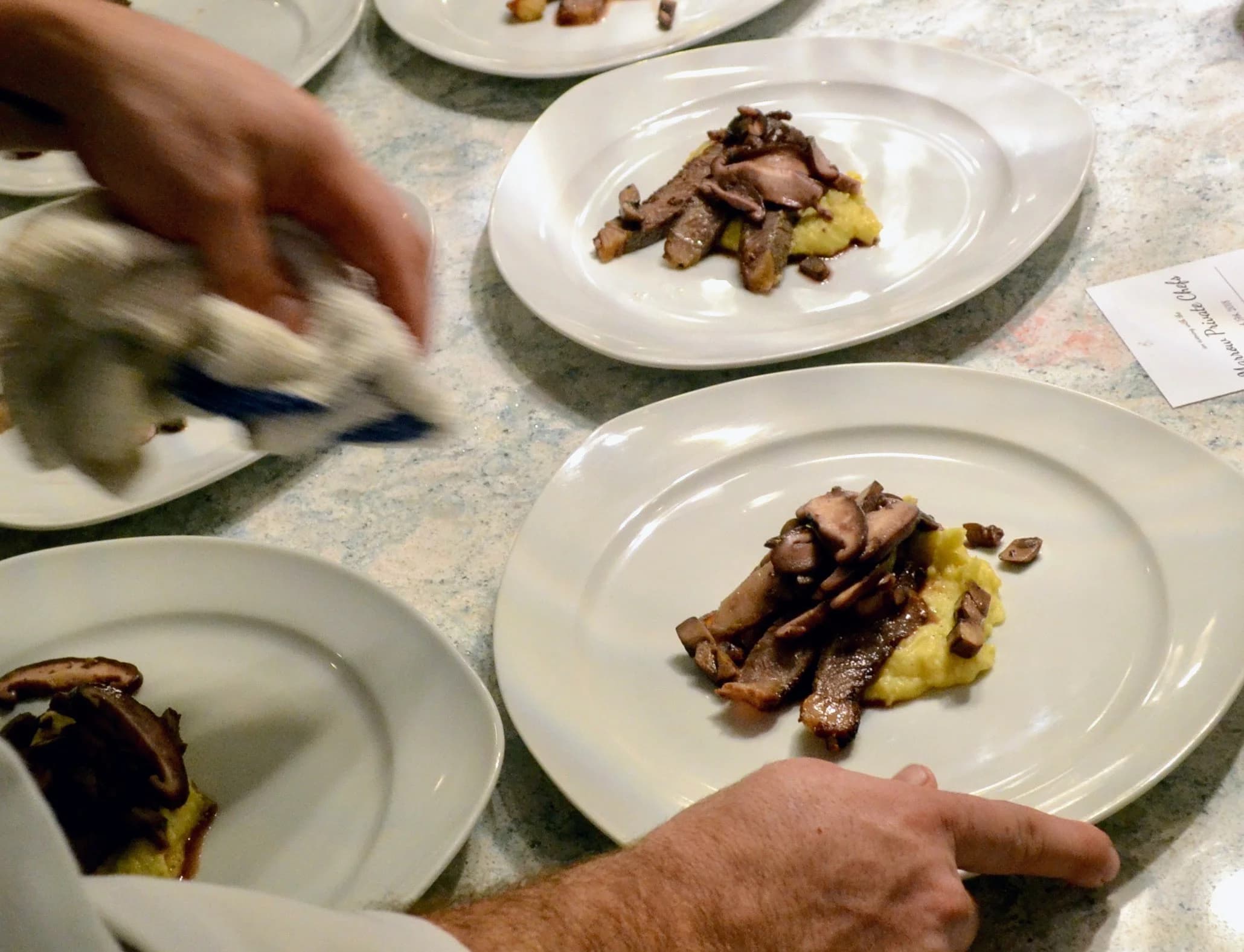
Why Chefs Wipe the Rim: The Details That Matter
Why do chefs meticulously wipe plate rims before service? Discover the small details that elevate professional dining experiences.
What Does "Tasting as You Go" Actually Mean?
Tasting as you go means progressive seasoning throughout cooking, not just at the end. Learn how professional cooks build depth and balance through constant adjustment.