Where Does the Term "86" Come From?
Walk into any professional kitchen during service and you'll eventually hear it: "86 the snapper." The fish is gone. Cross it off. Tell the servers. Move on.
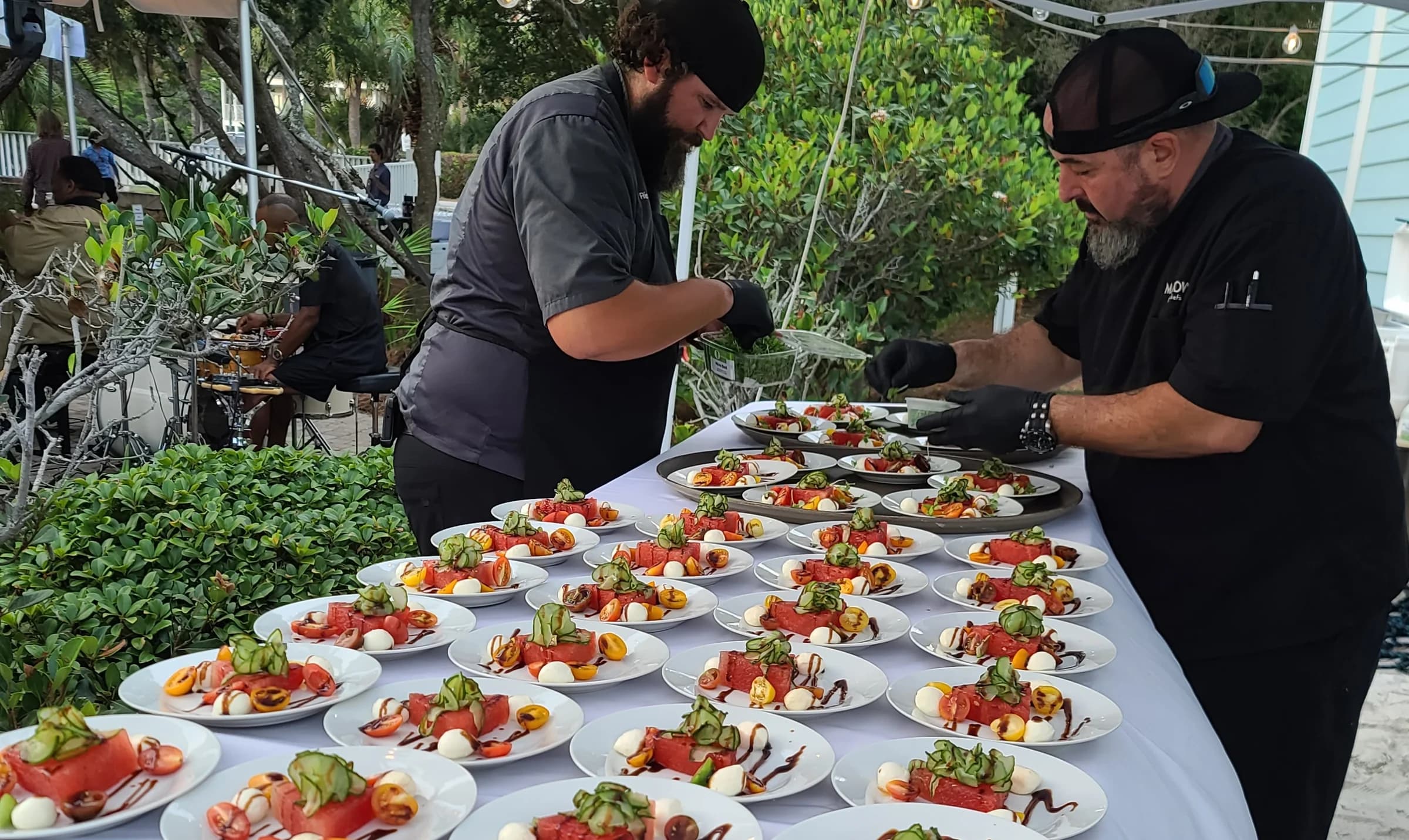
The term is universal in restaurant kitchens, used dozens of times each shift. But where did it come from? And why does a random number mean "we're out of something"?
The origin stories are colorful, contradictory, and mostly unprovable. But the term's persistence tells you something about professional cooking: certain language becomes standardized because it works under pressure.
The Theories
The Chumley's Bar Theory (Most Popular)
Chumley's, a speakeasy in New York's West Village, had its main entrance at 86 Bedford Street. When police raids were imminent, the bartender would shout "86 everybody!" — code for exit through the Bedford Street door. The term evolved to mean "get rid of" or "we're out."
This story has the advantage of being specific, plausible, and set in the Prohibition era when coded language was common. It's also completely unverified.
The Soda Fountain Theory
Some claim "86" was soda fountain slang meaning "we're all out." The theory suggests it rhymed with "nix," making it easy to remember and communicate quickly. Soda jerks would shout orders in numerical code, and 86 meant discontinue service of that item.
This explanation fits the timeline — soda fountains predated modern restaurant service by decades. But again, documentation is thin.
The Grave Depth Theory
A darker origin: standard grave depth was 8 feet, and bodies were typically 6 feet under after accounting for the coffin. To "86" something meant to bury it, kill it off, make it disappear permanently.
This theory has the feel of folk etymology — a story created to explain something whose real origin is lost.
The Rhyming Slang Theory
"86" rhymes with "nix," and rhyming slang was common in early 20th century American English, particularly in service industries. The rhyme made it memorable and quick to say during busy service.
Simple, practical, and linguistically plausible. But like most slang origins, impossible to trace definitively.
Why It Doesn't Matter
Here's the truth: the origin of "86" is less important than why it persisted. Professional kitchens need clear, instant communication during service. When tickets are piling up and servers are asking about dishes that ran out ten minutes ago, you need language that works.
"86 the grouper" is faster and clearer than "we're out of grouper." It cuts through kitchen noise. It's unambiguous. Everyone understands immediately.
This is why kitchen slang survives: not because it's colorful or traditional, but because it's functional under pressure.
How It's Used Today
In modern professional kitchens, "86" appears in several contexts:
Running Out of Ingredients
"86 the oysters" means we've served the last order. The chef tells the expo, who tells the servers, who stop taking orders for that dish. This happens multiple times per service in any busy kitchen.
Removing Menu Items
If a dish isn't working — poor quality ingredients that day, equipment failure, timing issues — the chef can 86 it before service even starts. Better to remove it than serve something below standard.
Refusing Service
Less common but still relevant: "86 that guy" means don't serve that customer. Usually reserved for extreme situations — intoxication, harassment, previous issues. The term carries over from its "get rid of" origins.
Urgent Communication
During a busy service, when six tickets are firing and the kitchen is managing twenty orders simultaneously, brevity matters. "86" communicates instantly what would otherwise require a full sentence of explanation.
Why Kitchen Language Evolves This Way
Professional cooking creates its own vocabulary because standard language isn't precise or fast enough. Consider these kitchen terms that serve similar functions:
"Behind" — alerts someone you're passing behind them with hot pans or sharp knives
"Corner" — announces you're coming around a blind corner
"Heard" — confirms you received and understood an instruction
"All day" — total count of a specific item needed (we'll get to this one)
"Fire" — start cooking this item now (also coming up)
Each term is shorter, clearer, and more functional than its standard English equivalent. This isn't restaurant theater or tradition for its own sake. It's practical language that evolved because it works.
What This Means for Private Chef Service
When we're executing a private chef dinner in your vacation rental, we bring this same communication discipline. The environment is different — we're not managing a dining room full of tickets — but the standards remain.
If Gulf seafood quality isn't where we need it that day, we adjust the menu before we arrive. If timing won't allow proper execution of a particular course, we make changes. The goal is delivering exceptional food, not defending a menu that isn't working.
After 3,000 events, we've developed systems for managing every variable. Some are borrowed from restaurant service. Others are unique to private chef work. All of them serve the same purpose: clear communication and flawless execution.
The Broader Lesson
The persistence of terms like "86" reveals something about professional cooking: clarity and speed matter more than tradition. If a term doesn't serve a functional purpose, it disappears. If it solves a real communication problem, it survives for decades.
This pragmatism extends beyond language. Professional kitchens value whatever works: techniques, equipment, systems, approaches. There's room for creativity and innovation, but only if they deliver results.
None of Marrow's three chef-owners attended culinary school. We learned by working professional kitchens on the Gulf Coast. This means our training emphasized practical effectiveness over classical tradition. We use the techniques and language that work, regardless of their pedigree.
"86" works. So we use it.
When Language Becomes Culture
Here's what's interesting about kitchen slang: it creates instant identification. When someone uses "86" correctly in conversation, you know they've worked in kitchens. The language becomes a marker of shared experience.
This matters because professional cooking is learned through immersion. You can study technique in books, but you learn the culture by working service after service alongside people who've internalized these standards.
The language isn't separate from the work. It's part of how the work gets done.
The Evolution Continues
New kitchen terms emerge regularly. "In the weeds" (overwhelmed during service) is relatively recent. "Heard" as a confirmation replaced "yes chef" in many kitchens. Language evolves as the work evolves.
But "86" persists. Whether it came from a speakeasy door, soda fountain slang, or rhyming shorthand, the term has proven its utility for nearly a century. That's the real origin story: functional language survives.
What Guests Never See
When we're preparing your private chef dinner, this entire vocabulary operates behind the scenes. You don't hear "86" because we're not running out of ingredients — everything is portioned and planned precisely for your group size.
You don't hear "behind" or "corner" because we're working in a smaller space with fewer people. You don't hear the constant confirmations and alerts that fill restaurant kitchens during busy service.
What you see is the result: courses arriving precisely timed, properly prepared, served with genuine hospitality. The language and systems that make that possible remain invisible.
Which is exactly how it should be. Professional cooking means handling complexity so guests experience simplicity.
---
The next time you hear a chef "86" something, you'll know it's not about the origin story — whether it's Chumley's bar, soda fountain slang, or rhyming code. It's about professional kitchens developing language that works under pressure.
After 3,000 private chef events on 30A, we've learned that the best systems are the ones guests never notice. Clear communication. Precise execution. Problems solved before they become visible.
That's the real meaning of "86": professional cooking requires its own language because standard communication isn't fast or clear enough when it matters most.
Ready to experience the precision of professional chef service? View our menus or reach out to plan your dinner on the Emerald Coast.
---
Marrow Private Chefs — serving 30A, Destin, and the Emerald Coast since 2018.
Want to talk through what week works for your family?
Reach out — we respond within hours.
More from the journal
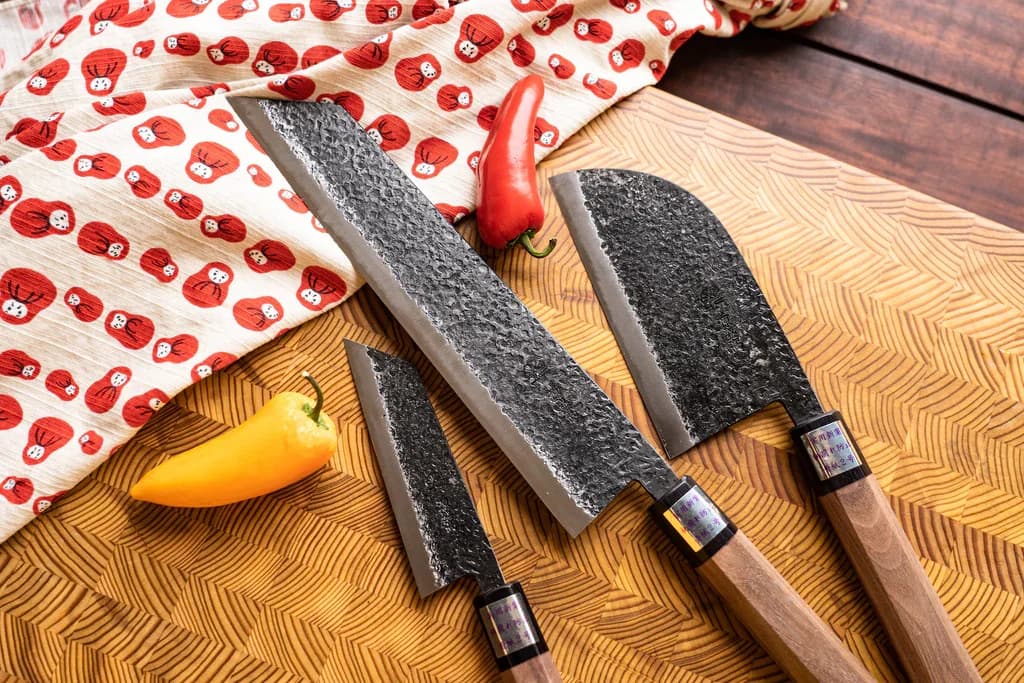
Why Are Kitchen Knives So Expensive?
Professional chef knives cost $100-$500+ for good reasons: quality steel, proper construction, and precision manufacturing. Learn what you're actually paying for.
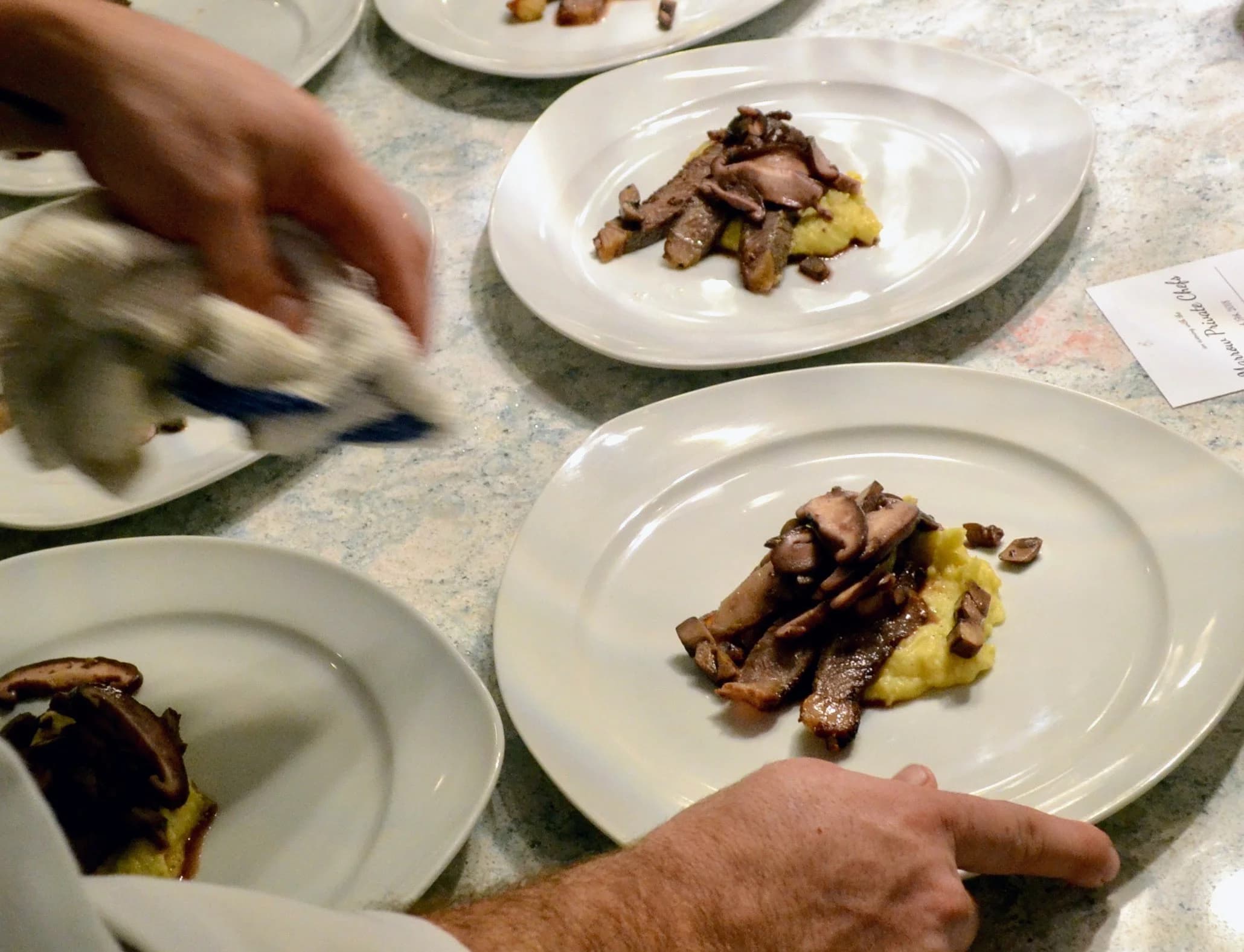
Why Chefs Wipe the Rim: The Details That Matter
Why do chefs meticulously wipe plate rims before service? Discover the small details that elevate professional dining experiences.
What Does "Tasting as You Go" Actually Mean?
Tasting as you go means progressive seasoning throughout cooking, not just at the end. Learn how professional cooks build depth and balance through constant adjustment.