What Does "Working Clean" Mean in Professional Kitchens?
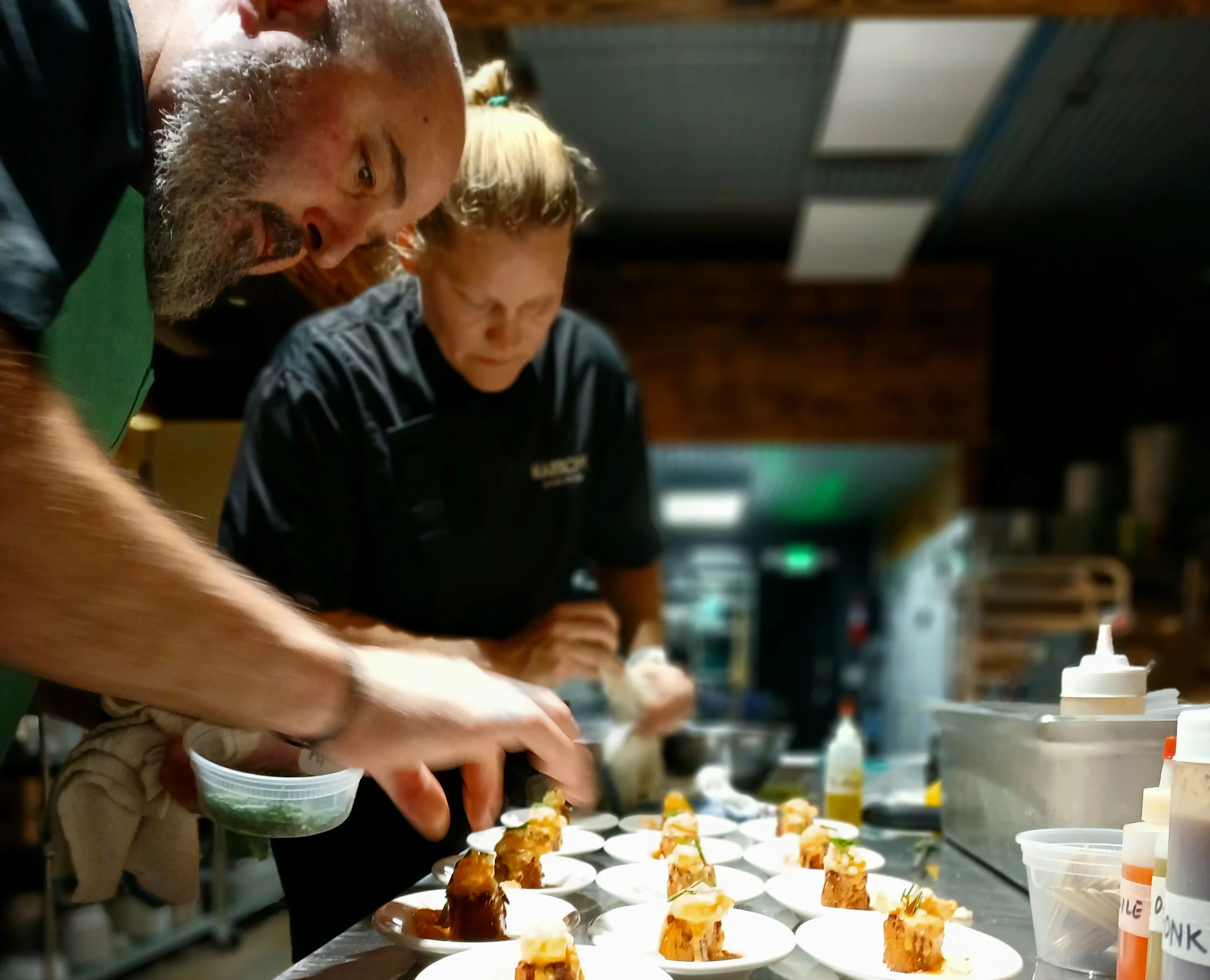
Tell a professional cook their station is messy and you'll get immediate response. Not defensiveness, but rapid cleaning. Because in professional kitchens, "working clean" isn't about tidiness for appearances. It's essential discipline that enables efficient execution, prevents safety hazards, and signals professional competence. Working clean means organizing and cleaning as you work, not after you're done. It means every action includes putting tools back, wiping surfaces, disposing of scraps. It means your station stays systematically organized throughout service, not just at the start. This discipline separates professional from amateur cooking more obviously than technique or skill.
What It Actually Means
Working clean means: Cleaning as you go: Wiping surfaces immediately after use, not letting mess accumulate Organizing constantly: Tools return to designated spots after each use Disposing of scraps immediately: Trim goes directly into waste container, not left on cutting board Managing small spills instantly: Wipe them immediately before they spread or create hazards Maintaining clear workspace: Keep only current task items on your station Starting each task with clean surface: Reset between preparations This isn't perfectionism. It's functional discipline that makes everything else easier.
Why It Matters for Efficiency
Clean stations work faster: You can find tools immediately because they're in designated spots You have clear workspace for each task without moving debris You don't waste time searching for items buried in mess You can transition smoothly between tasks without setup delays You reduce errors from using wrong ingredient or contaminating preparations The time spent cleaning as you go is far less than time wasted working around clutter or searching for misplaced items. Watch an experienced cook work and you'll see constant small organizing actions: knife back to its spot, cutting board wiped, scraps swept into container. These micro-actions happen automatically between major tasks.
The Safety Factor
Dirty stations create hazards: Slipping risks: Spills on floor create immediate danger Cross-contamination: Raw protein juice spreading across surfaces Burns: Handling hot items while navigating clutter increases mistakes Cuts: Knives lost in mess or left in unexpected places Fire hazards: Grease accumulation near open flames Professional cooks clean constantly not from obsession with tidiness but from understanding that dirty stations are dangerous stations. Safety requires systematic cleanliness. None of Marrow's three chef-owners attended culinary school, but we learned working clean from professional kitchens on the Gulf Coast. It wasn't optional habit—it was non-negotiable discipline enforced through immediate corrections when stations got messy.
How It Gets Taught
New cooks learn working clean through correction: "Clean your station." Said repeatedly until the habit forms. "You can't work effectively like this." When mess starts affecting performance. "That's a safety hazard." When potential dangers appear. "I shouldn't have to tell you this." When basic standards aren't maintained. The repetition isn't mean—it's how this discipline gets internalized. Eventually, you can't work comfortably in messy environment. The disorder feels wrong. You clean automatically.
The Mise en Place Connection
Working clean connects directly to mise en place. Both are about organization enabling efficient execution: Mise en place organizes before service: Everything positioned and ready Working clean maintains organization during service: Everything stays systematically arranged You can establish perfect mise en place, but if you don't work clean, the organization degrades rapidly once service starts. Both disciplines are necessary.
Common Mistakes
Letting mess accumulate: Planning to "clean up later" while working Keeping too many items out: Not returning tools after each use Ignoring small spills: Letting them spread before addressing them Working without systems: No designated spots for tools and ingredients Mixing tasks: Not resetting workspace between different preparations Waiting for downtime: Assuming you'll clean during slow periods that never materialize These mistakes create cascading problems. The mess expands, efficiency drops, errors increase, and cleaning becomes overwhelming task rather than continuous small actions.
The Psychological Benefit
Clean workspace creates mental clarity. When your station is organized, you can focus entirely on cooking. When it's chaotic, part of your attention goes to managing the disorder. This matters especially under pressure. During busy service, you need complete focus on execution. Working clean creates environment where nothing distracts from cooking.
How It Shows Professional Identity
In professional kitchens, clean station signals competence and respect: Competence: You can manage your workspace while executing your tasks Respect: You value your colleagues' safety and efficiency Professionalism: You maintain standards even under pressure Discipline: You have self-control to do small tasks that create foundation for everything else Chefs assess new cooks partly by watching how they maintain their stations. Clean workers are trusted with more responsibility. Messy workers get more supervision.
The Different Standards
Home cooking and professional cooking have different standards: Home cooking: Cleaning up after you're done is fine Professional cooking: Cleaning must happen continuously during work This isn't about professional cooks being neater people. It's about different operational demands. When you're cooking one meal for your family, post-cooking cleanup works. When you're managing station during three-hour service with constant ticket flow, you must clean as you go or the station becomes unworkable.
Teaching It to New Cooks
Establishing working clean habits requires: Clear expectations: Define what "clean" means specifically Immediate correction: Point out mess as it develops, don't wait Consistent enforcement: Standards don't vary based on how busy you are Demonstration: Show what organized station looks like during service Repetition: Keep correcting until habit forms The goal is making cleanliness automatic so it requires no conscious effort. You don't think about wiping the board after cutting—you just do it.
How It Applies to Private Chef Service
When we're preparing your dinner in your vacation rental kitchen, working clean matters even more: We're guests in your space: Maintaining cleanliness shows respect We have limited workspace: Organization is critical in unfamiliar kitchens We can't leave mess behind: Complete cleanup is part of service We represent professional standards: How we work reflects our discipline After 3,000 events, working clean is so automatic we don't think about it. We clean as we work. We organize constantly. We leave your kitchen cleaner than we found it. These aren't optional luxuries—they're basic professional standards.
The Efficiency Paradox
Working clean seems to slow you down—you're stopping to wipe surfaces and return tools. But the opposite is true: Clean stations work faster because nothing impedes execution Organized workers waste less time searching or working around clutter Systematic approaches prevent errors that require time-consuming corrections Clear surfaces allow smooth transitions between tasks The small time spent cleaning as you go creates efficiency that far exceeds the investment.
What Guests Never See
When your four-course dinner arrives beautifully plated and precisely timed, you don't see the continuous organization and cleaning that made it possible. You don't see us wiping surfaces between preparations, returning tools to designated spots, disposing of scraps immediately. This invisible discipline creates visible results: food that's properly prepared without cross-contamination, timing that works because we're not searching for misplaced items, presentations that look professional because we had clean surfaces to work on.
The Standard That Persists
Working clean has been essential professional cooking discipline for generations because it works. Clean stations enable efficient execution. Messy stations create problems. This standard persists not from tradition but from function. Professional cooks who try to skip this discipline quickly discover why it matters: their stations become unworkable, their efficiency drops, their errors increase.
The Broader Application
Working clean applies beyond cooking. Any complex work benefits from continuous organization: Return tools immediately after use Dispose of waste as it's created Maintain clear workspace Reset between tasks Clean small messes before they expand These disciplines create conditions for efficient execution in any field. --- Working clean means organizing and cleaning continuously as you work, not after you're done. This discipline enables efficiency, prevents hazards, and signals professional competence. It's essential foundation for everything else. At Marrow, we bring this discipline to every private chef event on 30A. Continuous organization throughout service. Clean workspace enabling efficient execution. Complete cleanup leaving your kitchen pristine. The discipline operates invisibly. You just experience professional execution in clean environment. Ready to experience cooking built on professional discipline? Explore our menus or reach out to plan your dinner.
---
Marrow Private Chefs — serving 30A, Destin, and the Emerald Coast since 2018.
Want to talk through what week works for your family?
Reach out — we respond within hours.
More from the journal
Why Are Kitchen Knives So Expensive?
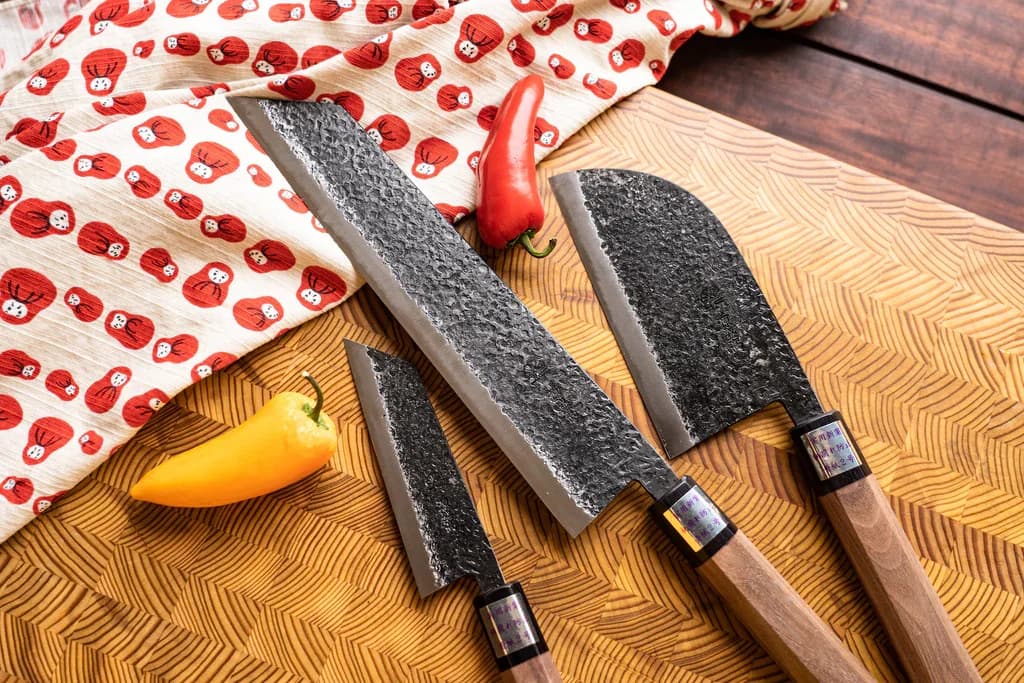
Professional chef knives cost $100-$500+ for good reasons: quality steel, proper construction, and precision manufacturing. Learn what you're actually paying for.
Why Chefs Wipe the Rim: The Details That Matter
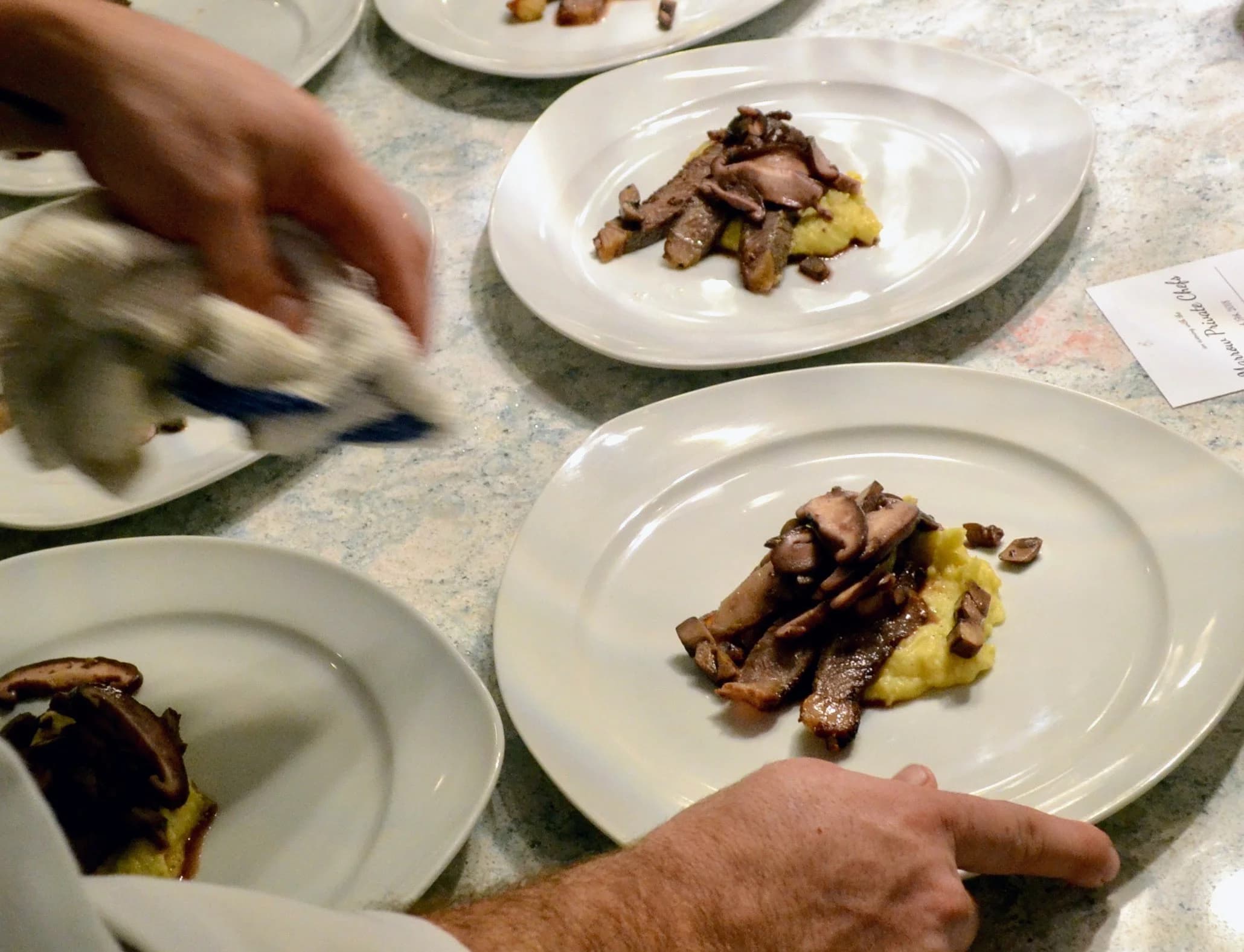
Why do chefs meticulously wipe plate rims before service? Discover the small details that elevate professional dining experiences.
What Does "Tasting as You Go" Actually Mean?
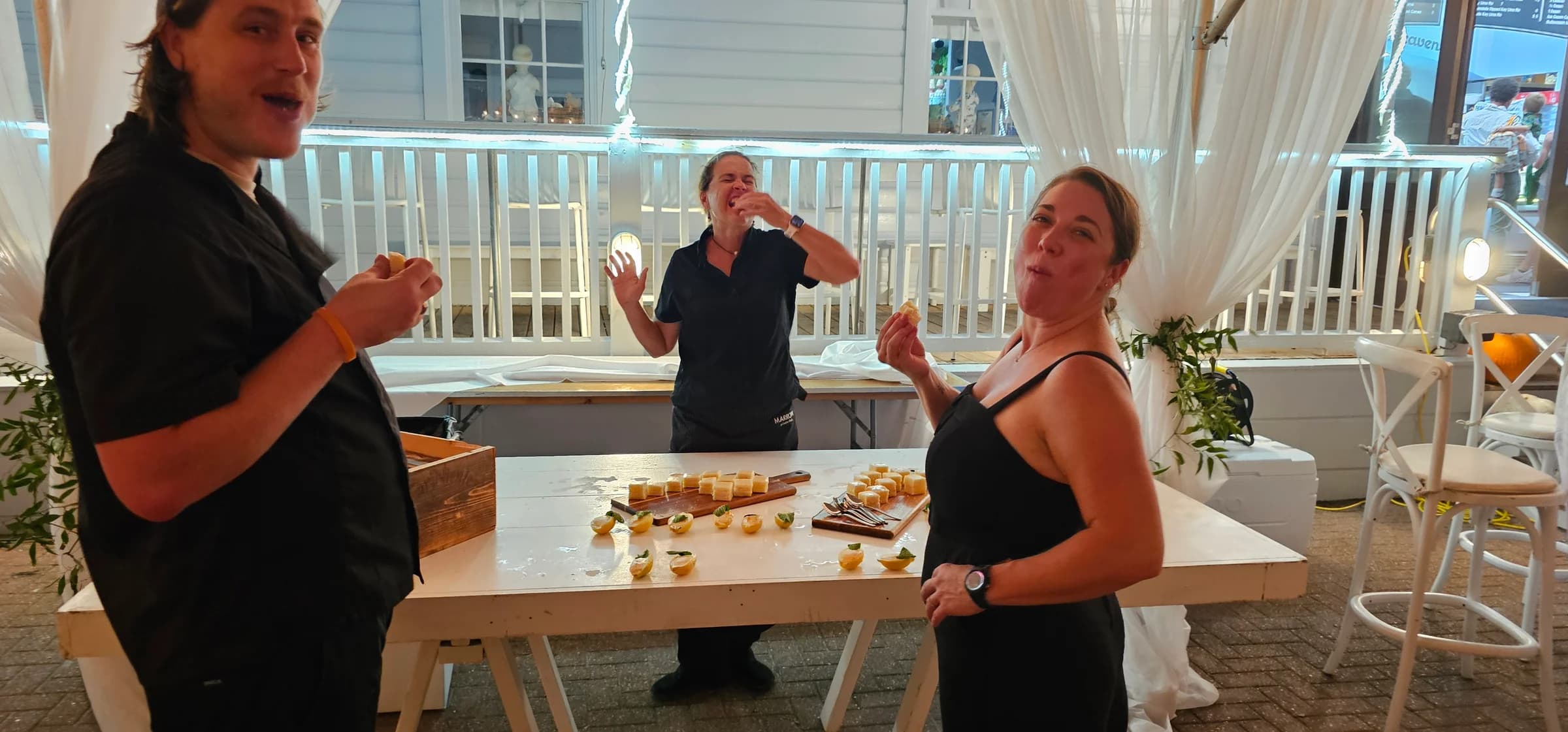
Tasting as you go means progressive seasoning throughout cooking, not just at the end. Learn how professional cooks build depth and balance through constant adjustment.