Escoffier's Brigade System: How It Shapes Modern Private Chef Service
In the late 1800s, Auguste Escoffier faced a problem: French restaurant kitchens were chaotic. Cooks worked without clear roles. Communication was inconsistent. Quality varied dramatically between services. The growing demand for fine dining required systematic organization that didn't yet exist.
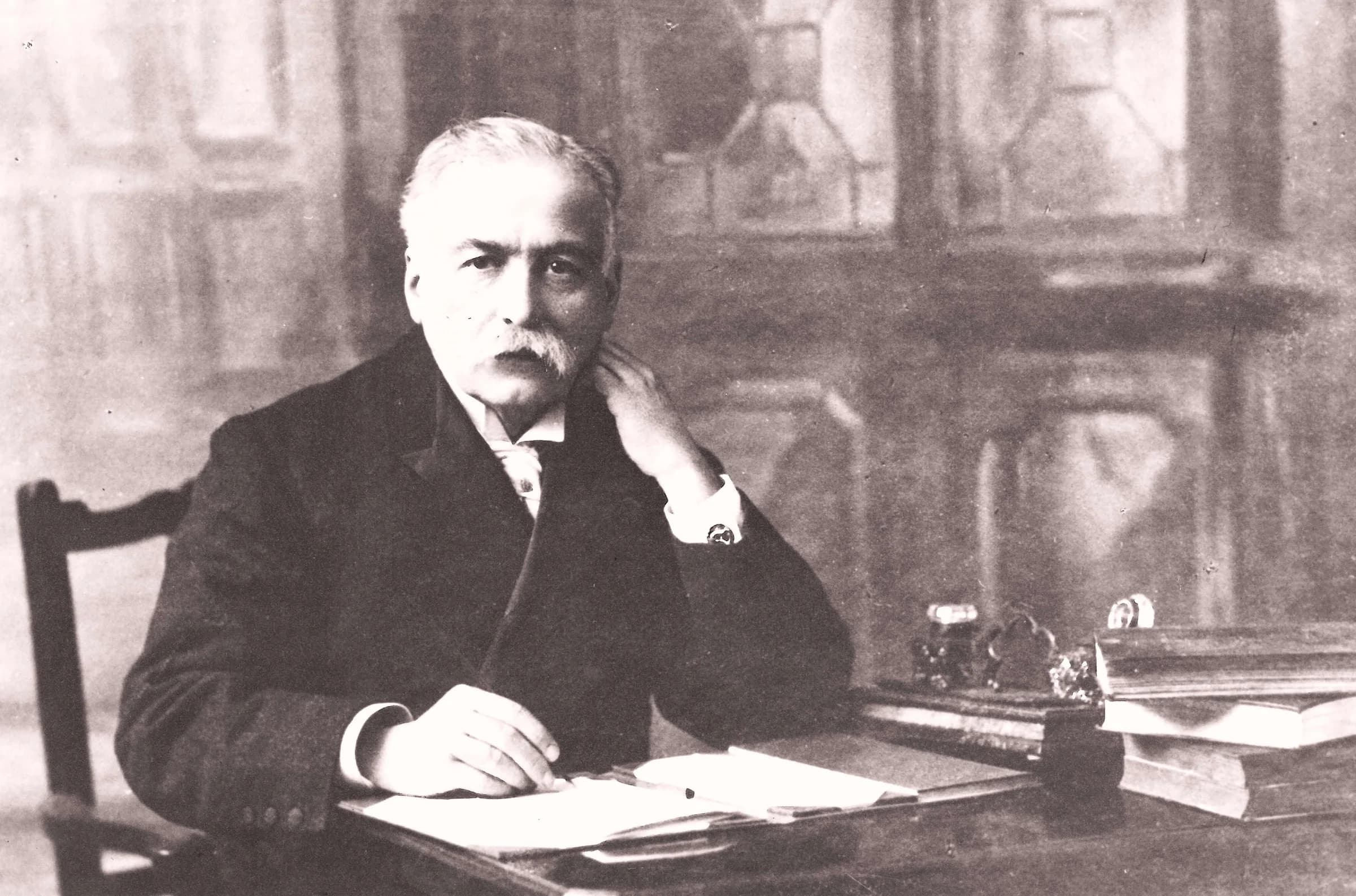
Escoffier's solution was the brigade de cuisine: a hierarchical kitchen structure borrowed from military organization. Clear roles. Defined responsibilities. Systematic communication. A chain of command that allowed coordination under pressure.
This system revolutionized professional cooking and remains foundational today. Even kitchens that have moved away from rigid hierarchy still use core principles Escoffier established: specialized stations, clear communication protocols, systematic organization.
For private chef service, understanding the brigade system reveals why professional cooking requires structure even when you're not managing a full restaurant kitchen.
The Structure Escoffier Created
The classical brigade had clearly defined positions, each with specific responsibilities:
Chef de Cuisine: Executive chef responsible for entire kitchen operation
Sous Chef: Second in command, coordinates stations, manages execution
Chef de Partie: Station chef responsible for specific area (sauces, fish, vegetables, etc.)
Commis: Junior cook learning under chef de partie
Plongeur: Dishwasher and basic prep work
Each level had authority over positions below and accountability to positions above. Orders flowed down. Execution flowed up. The hierarchy prevented confusion about who decides what during busy service.
This might seem rigid, but consider the alternative: every decision becomes negotiation. Every instruction gets questioned. Service degrades into arguments. The hierarchy exists to enable efficiency, not to create unnecessary power structure.
Why Specialization Matters
Escoffier's system divided the kitchen into specialized stations: saucier (sauces), poissonnier (fish), rôtisseur (roasted meats), garde manger (cold preparations), pâtissier (pastry). Each station focused on specific techniques and preparations.
This specialization created depth of expertise. A cook working sauces every service develops mastery faster than one rotating between stations. The repeated practice builds automatic execution.
Modern kitchens still use station-based organization, though formats vary. The principle remains: specialization develops competence faster than constant variety.
For private chef service, we're often working with smaller teams that handle multiple stations. But the principle of organized responsibility still applies. Someone owns each element. Nothing falls through coordination gaps.
The Communication System
Escoffier's brigade required systematic communication because French kitchens served multiple courses to multiple tables simultaneously. Without clear protocols, coordination becomes impossible.
This created the confirmation system still used today: chef calls order, cook confirms by repeating it back. Every instruction gets acknowledged. Mistakes get caught immediately.
This "call and confirm" pattern appears throughout professional cooking: "Fire two salmon, one ribeye." "Two salmon, one ribeye, oui chef." The repetition seems redundant until you understand that assumed communication causes cascading failures during busy service.
After 3,000 private chef events, we've internalized similar confirmation habits. Important timing gets verified. Critical details get confirmed. The specific language matters less than the systematic approach.
Hierarchy as Problem-Solving Tool
The brigade hierarchy determines who makes decisions when there's no time for discussion. During service, debates are impossible. Someone needs authority to decide instantly.
The sous chef coordinates timing across stations. The chef de partie manages their section. The commis follows instructions. This clarity prevents the paralysis of unclear authority.
Modern kitchens experiment with flatter structures and more collaborative cultures. But even progressive kitchens maintain clear decision authority during service. The specific hierarchy might be different, but the need for clear authority remains.
Training Within the System
The brigade system included structured training: commis learned from chef de partie, working their way up through competence. This apprenticeship model created consistent skill development.
A cook spent years at each station, mastering techniques before moving to positions of greater responsibility. The progression ensured that chefs earned authority through demonstrated competence.
None of Marrow's three chef-owners attended culinary school, but we learned through similar progression working professional kitchens on the Gulf Coast. Start with basic tasks, prove competence, earn more responsibility. The specific structure varied, but the principle remained: mastery develops through guided practice over time.
How It Enabled Consistency
Before Escoffier's system, quality depended entirely on individual cook talent and motivation. The brigade created standards that persisted regardless of who was working.
Station responsibilities were defined clearly. Techniques were systematized. Communication protocols were established. This structure allowed consistent execution even as staff changed.
This is why modern restaurants can maintain quality across services and seasons. The system creates the consistency, not individual brilliance.
For private chef service, this principle applies directly. We've systematized our approach across 3,000 events. The quality comes from established protocols and proven techniques, not from improvising each time.
The Modern Adaptation
Few contemporary kitchens use Escoffier's full classical brigade. Modern restaurants adapt the system: fewer formal levels, more flexible roles, less rigid hierarchy.
But core principles persist: specialized responsibilities, clear communication, systematic organization, defined decision authority. The specific structure evolves. The need for structure remains constant.
This shows that Escoffier's innovation wasn't the specific hierarchy. It was recognizing that professional kitchens require systematic organization to function reliably under pressure.
Why It Still Matters
The brigade system solved fundamental problems that haven't changed: kitchens are loud, fast, high-pressure environments requiring coordination between multiple people executing complex tasks simultaneously.
Without structure, this coordination breaks down. With clear organization, systematic communication, and defined responsibilities, even complicated service executes smoothly.
These aren't just restaurant principles. They apply anywhere multiple people must coordinate under pressure. Escoffier happened to solve it for kitchens, but the lessons transfer broadly.
Where Private Chef Service Differs
Private chef service operates at smaller scale than restaurant kitchens. We're not managing full brigade with multiple stations. But we still need systematic organization, clear communication, and defined responsibilities.
When we arrive at your vacation rental, we establish organization that allows efficient execution. Responsibilities are clear. Communication is systematic. The scale is different, but the need for structure remains.
The Cultural Impact
Escoffier's brigade created kitchen culture that persists today: the way cooks speak to each other, the protocols for confirmation, the respect for hierarchy, the emphasis on systematic execution.
This culture gets transmitted through working in professional kitchens. You learn it by experiencing hundreds of services where the system prevents chaos. The protocols become automatic.
This is part of what "professional cooking" means: not just technical skill, but participation in systematic culture that enables coordinated execution under pressure.
What It Teaches About Organization
The brigade system reveals something important: sustained excellence requires structure. Individual talent matters, but systematic organization matters more for consistent quality.
You can't build reliable operations on individual brilliance. You need systems that work regardless of who's executing them. The goal is making excellence reproducible, not occasional.
This principle extends beyond cooking. Any complex sustained effort benefits from clear roles, systematic communication, and organized responsibility. The specifics vary. The need for structure remains.
The Balance of System and Creativity
Some people assume rigid structure limits creativity. Escoffier proved otherwise: his systematized kitchens produced innovative cuisine that defined modern fine dining.
Structure doesn't prevent creativity. It creates the foundation that makes creativity reliable. When fundamental execution is systematic, you have capacity for creative thinking. When every basic task requires improvisation, you're too overwhelmed for innovation.
This is why professional kitchens emphasize systems: not to limit creativity, but to create conditions where creativity can flourish reliably.
The Standard That Persists
Over a century after Escoffier established the brigade system, its core principles remain essential to professional cooking: clear roles, systematic communication, organized responsibility, defined authority.
The specific structure has evolved. Contemporary kitchens look different from classical French brigades. But the fundamental insight persists: professional cooking requires systematic organization to deliver consistent quality under pressure.
How We Apply It
At Marrow, we're not operating a traditional brigade. Our team structure is flatter and more flexible than classical restaurant kitchens. But Escoffier's core principles still guide our approach:
Clear responsibilities for every element of service
Systematic communication about timing and execution
Organized preparation that creates reliable outcomes
Defined standards that persist regardless of specific event
The scale differs. The principles remain constant.
What Guests Experience
When your four-course dinner arrives precisely timed and professionally executed, you're benefiting from systematic organization you never see. The structure operates invisibly, creating conditions for smooth service.
You don't notice the confirmed communications or organized responsibilities. You just experience the result: food that arrives when expected, properly prepared, without confusion or delay.
This is the goal: systematic organization that creates effortless experience for guests.
The Lesson for Modern Cooking
Escoffier's brigade system teaches that consistent excellence requires systematic structure. Individual skill matters, but organization matters more for sustained quality.
This lesson applies to all professional cooking, whether you're managing a full restaurant brigade or executing private chef service with a small team. The specific structure adapts. The need for systematic organization remains constant.
Why It Still Works
The brigade system persists because it solved real problems: coordination under pressure, consistent quality, efficient communication, clear authority. These challenges haven't changed in over a century.
Modern kitchens adapt the system to contemporary needs. The specific hierarchy might be different. The recognition that professional cooking requires systematic structure remains universal.
After working professional kitchens and executing 3,000 private chef events, we've learned this lesson thoroughly: structure creates reliability. Systems enable consistency. Organization allows excellence to be reproducible rather than occasional.
---
Auguste Escoffier's brigade system revolutionized professional cooking by bringing military-style organization to chaotic kitchens. The specific structure has evolved, but core principles remain essential: clear roles, systematic communication, organized responsibility.
Excellence requires structure. Consistency requires systems. Sustained quality requires organization that persists regardless of who's executing.
At Marrow, we bring this systematic discipline to every private chef event on 30A. The structure operates invisibly. The organization creates conditions for reliable excellence.
Your dinner feels effortless because the system works exactly as intended.
Ready to experience service built on systematic organization? Explore our menus or reach out to plan your dinner.
Want to talk through what week works for your family?
Reach out — we respond within hours.
More from the journal
What Paul Bocuse Taught Us About Gulf Seafood
Paul Bocuse's philosophy on respecting ingredients shapes how Marrow Private Chefs approach Gulf Coast seafood. Classic technique meets local flavor.
Thomas Keller's "Sense of Urgency": Precision in Private Chef Execution
Thomas Keller's French Laundry discipline and "sense of urgency" philosophy shapes flawless private chef execution on the Emerald Coast.
Ferdinand Point's Philosophy: Why Simplicity Still Matters
Ferdinand Point pioneered simplicity in French cuisine. Learn how his philosophy influences modern private chef service on 30A.