Daniel Boulud's Bistro-to-Fine-Dining Range: Versatility in Modern Chef Service
Daniel Boulud operates restaurants spanning the full spectrum: from casual bistros to four-star fine dining establishments. This range isn't about targeting different markets. It's about understanding that classical French training can adapt to any service style while maintaining excellence.
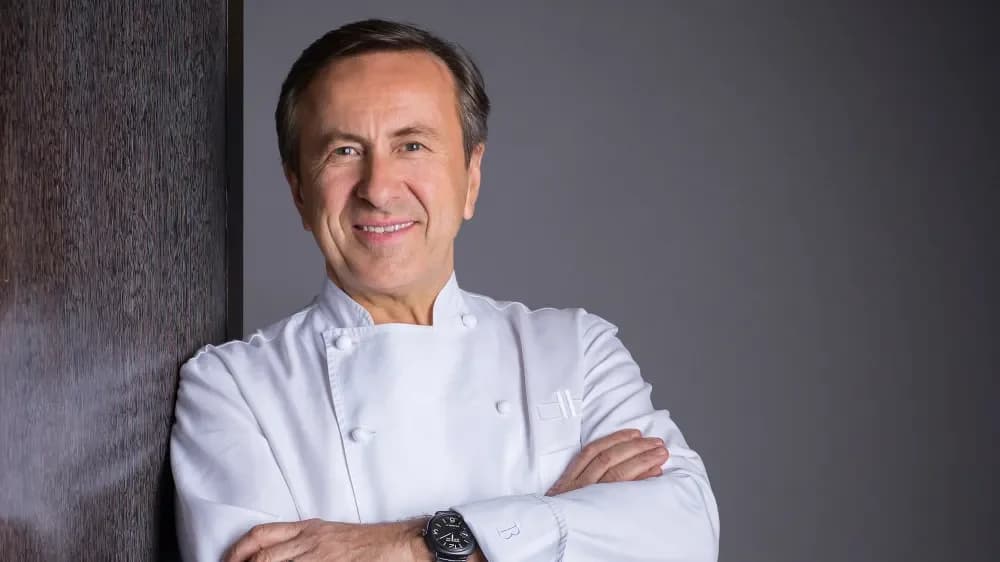
His ability to move between formats reveals something important about professional cooking: the fundamentals remain constant. Whether you're preparing a simple bistro chicken or an elaborate tasting menu, the core techniques are identical. The difference is context and presentation, not basic competence.
For private chef service, this versatility becomes essential. We're adapting restaurant techniques to residential kitchens, adjusting service styles to match intimate settings, scaling preparations for specific group sizes. The foundation remains constant even as the application varies.
Classical Training as Foundation
Boulud trained in classical French kitchens before immigrating to America. This foundation gave him mastery of techniques that apply regardless of service format.
Proper stock making works identically in bistros and fine dining restaurants. Clean knife work is essential everywhere. Understanding how heat affects proteins applies to casual and formal preparations. The fundamentals don't change based on context.
This is why classical training remains valuable even for cooks who'll never work traditional fine dining. The techniques provide adaptable foundation. Once mastered, they apply anywhere.
None of Marrow's three chef-owners attended culinary school, but we learned similar fundamentals working professional kitchens on the Gulf Coast. The specific environment varied, but the core techniques remained constant.
The Bistro Philosophy
Boulud's bistros emphasize straightforward preparation of quality ingredients. No elaborate presentations or complex techniques. Just well-executed classics served in comfortable settings.
This requires confidence. Bistro cooking offers no place to hide. A simple roast chicken must be perfect. Basic preparations expose everything. You can't compensate for poor execution with elaborate plating.
This is harder than it seems. Complex preparations allow some margin for error. Simple dishes require flawless fundamentals. The chicken must be properly cooked. The vegetables must be correctly seasoned. The sauce must be well-balanced. Every element matters.
Our approach reflects this bistro principle. Sometimes the best preparation is the simplest one executed properly. Gulf snapper with brown butter. Properly seared scallops. Classic techniques applied to quality ingredients.
Fine Dining Complexity
At the other end of Boulud's range, his fine dining restaurants feature elaborate multi-course tasting menus, complex flavor combinations, precise presentations. This is where classical training enables creativity.
The complexity works because fundamentals are solid. You can play with modern technique and unexpected combinations when basic skills are automatic. Innovation requires foundation.
Our Michelin-style tasting menu embodies this approach: nine courses, completely personalized, creative presentations built on classical technique. The innovation succeeds because the foundation is sound.
Adapting to Context
Here's what Boulud mastered: adjusting approach based on context while maintaining consistent quality. Bistro service demands different pacing than fine dining. Casual atmospheres require different presentations than formal settings. Different contexts need different solutions.
But the core standard doesn't change. Whether bistro or fine dining, the food must be properly cooked, correctly seasoned, and professionally executed. The context changes. The quality standard remains.
This adaptability comes from understanding principles rather than just following procedures. When you know why techniques work, you can adjust them to varying contexts.
The Challenge of Range
Operating restaurants across multiple formats requires more than technical versatility. It requires understanding different guest expectations, service pacing, staffing models, kitchen operations.
A bistro guest expects relatively quick service and approachable food. A fine dining guest expects extended experience and elaborate presentations. Meeting both expectations requires different approaches built on the same technical foundation.
This is similar to the challenge of private chef service. We're adapting restaurant techniques to vacation rentals, fine dining quality to casual atmospheres, professional service to intimate settings. The ability to adjust while maintaining standards comes from versatile foundation.
Where Comfort and Excellence Meet
Boulud proved that excellence doesn't require formal atmosphere. A bistro can serve food as technically accomplished as fine dining, just in different context. Comfort and quality aren't opposing goals.
This matters for private chef service. We're bringing restaurant-level execution to the relaxed environment of your vacation rental. The atmosphere is comfortable. The food is professional. These complement rather than contradict.
The luxury is in the ease: exceptional food without formal setting, professional execution without pretension, high standards without intimidation.
Technique Applied at Scale
Different service formats require different scale management. Bistros serve higher volume with faster turnover. Fine dining serves fewer guests with more attention per plate.
Boulud's kitchens handle both because fundamental technique is consistent. The organizational systems adjust. The prep protocols vary. But the core skills—proper cooking, clean knife work, balanced seasoning—remain identical.
Private chef service has unique scale characteristics. We're preparing fewer portions than restaurants but with more personalized attention per guest. The technique is professional. The application is intimate.
The Menu Development Approach
Boulud's menu development varies dramatically between formats. Bistros feature seasonal classics with limited daily specials. Fine dining restaurants change menus frequently with elaborate seasonal tasting menus.
But the development process is similar: source quality ingredients, consider seasonal availability, apply appropriate technique, present in context-appropriate way. The principles remain constant even as the outcomes differ.
This is how we approach menu planning. The Southern supper emphasizes approachable comfort food. The Michelin-style tasting menu features creative, complex preparations. Both start with quality ingredients and appropriate technique.
Training for Versatility
Cooks who work for Boulud across multiple restaurant formats develop unusual versatility. They learn to execute simple bistro preparations and complex fine dining dishes. They understand how context affects every decision.
This cross-training creates adaptable cooks who can work anywhere. The fundamentals become so solid they transfer effortlessly between formats.
After 3,000 events spanning casual family dinners to elaborate wedding receptions, we've developed similar versatility. The fundamentals remain constant. The application adjusts to context.
What Makes a Great Bistro
Boulud's bistros succeed not through elaborate technique but through reliable execution of classics. A great bistro delivers consistently excellent food in comfortable setting without pretension.
This requires discipline. It's tempting to complicate bistro food or add unnecessary flourishes. The better approach is focusing on fundamentals: proper technique, quality ingredients, straightforward preparation.
Our Select tier menus—Tex Mex taco party, Italian dinner, Southern supper—reflect this bistro principle. Approachable food executed professionally. Nothing complicated for its own sake. Just quality preparations served generously.
What Makes a Great Tasting Menu
At the opposite end, Boulud's tasting menus succeed through creative combinations, technical precision, and thoughtful progression. Each course builds toward complete experience.
This requires different skills: creativity within technical boundaries, understanding flavor progression, precise execution of complex preparations, careful pacing of multiple courses.
Our Michelin-style tasting menu applies these principles: creative dishes grounded in sound technique, thoughtful progression across nine courses, precision in every element.
The Common Thread
Whether bistro or fine dining, Boulud's restaurants share consistent elements: quality ingredients, proper technique, attention to detail, genuine hospitality. The presentation varies. The foundation remains.
This is the lesson about versatility: excellence requires consistent fundamentals applied appropriately to varying contexts. You can't fake quality in casual settings or compensate for poor technique with elaborate presentations.
Applying to Private Chef Service
Private chef service requires similar versatility. Some events call for casual family-style dining. Others need formal plated service. Some guests want approachable comfort food. Others want creative tasting menus.
The ability to deliver across this range comes from solid technical foundation and understanding of context. We're not executing one formula repeatedly. We're applying professional standards to varying situations.
The Chophouse dinner is essentially fine bistro cooking: quality ingredients prepared classically, served family-style in comfortable setting. The Michelin-style tasting menu is elaborate fine dining adapted to private setting. Different contexts. Consistent quality.
Why It Matters
Boulud's range reveals that professional cooking isn't about mastering one style. It's about developing versatile foundation that adapts to any context while maintaining standards.
This matters because modern cooking requires flexibility. Guests have varying preferences. Occasions demand different approaches. Versatile cooks can meet these varying needs without compromising quality.
After 3,000 events spanning casual to elaborate, this versatility has become essential. Every event is different. The foundation remains constant.
The Confidence to Adapt
True versatility requires confidence. You need technical foundation solid enough that you can adjust without second-guessing. You need experience with varying formats to understand what works in each context.
This confidence develops through practice across different situations. The first few times you adjust between formats, the differences feel significant. With experience, you recognize the common foundation and adapt naturally.
What Guests Experience
When we're preparing your menu—whether casual Southern supper or elaborate tasting menu—you're seeing versatile professional cooking. The technical foundation remains consistent. The presentation adapts to your preferences and occasion.
You don't see us adjusting technique based on context. You just experience food that feels appropriate: comfortable and delicious for casual dinners, impressive and creative for special occasions.
This adaptability operates invisibly. The result is food that matches your vision regardless of format.
The Standard That Doesn't Vary
Here's what remains constant across all of Boulud's restaurants and all our private chef menus: professional execution, quality ingredients, attention to detail, genuine hospitality.
Whether you're ordering a burger at his bistro or ten courses at Daniel, the fundamental quality standard is identical. The context changes. The commitment to excellence remains.
This is the versatility that matters. Not ability to do many things. Ability to maintain standards across varying contexts.
Why Classical Training Enables Flexibility
Boulud's classical French training gave him tools that apply anywhere. The techniques work in bistros and fine dining restaurants. The principles adapt to American ingredients and tastes. The foundation provides flexibility.
This is why fundamental training matters. It creates adaptable foundation rather than specific limited skills. You're learning principles that apply broadly, not just procedures for one context.
Our Gulf Coast training provided similar versatile foundation. The specific kitchens varied. The core techniques remained consistent. The ability to adapt came from solid fundamentals practiced across varying situations.
---
Daniel Boulud proved that classical training enables versatility. The same fundamental skills apply to bistro cooking and fine dining, casual service and elaborate presentations, straightforward preparations and creative combinations.
Excellence requires consistent foundation adapted appropriately to varying contexts. This is how professional cooking works across formats, occasions, and settings.
At Marrow, we bring this versatility to every private chef event on 30A. Solid technical foundation. Adaptability to your preferences. Consistent quality across varying formats.
Whether you want casual family-style dining or elaborate tasting menu, the approach is professional and the standard is high.
Ready to experience versatile professional cooking? Explore our menus or get in touch to start planning your dinner.
Want to talk through what week works for your family?
Reach out — we respond within hours.
More from the journal
What Paul Bocuse Taught Us About Gulf Seafood
Paul Bocuse's philosophy on respecting ingredients shapes how Marrow Private Chefs approach Gulf Coast seafood. Classic technique meets local flavor.
Thomas Keller's "Sense of Urgency": Precision in Private Chef Execution
Thomas Keller's French Laundry discipline and "sense of urgency" philosophy shapes flawless private chef execution on the Emerald Coast.
Ferdinand Point's Philosophy: Why Simplicity Still Matters
Ferdinand Point pioneered simplicity in French cuisine. Learn how his philosophy influences modern private chef service on 30A.