Julia Child's Fearless Approach: Why Confidence Matters in the Kitchen
Julia Child changed American cooking not through technical innovation or elaborate techniques, but through fearless confidence. She wasn't intimidated by French cuisine, restaurant techniques, or cooking failures. She believed cooking should be approached with joy and courage, not anxiety.
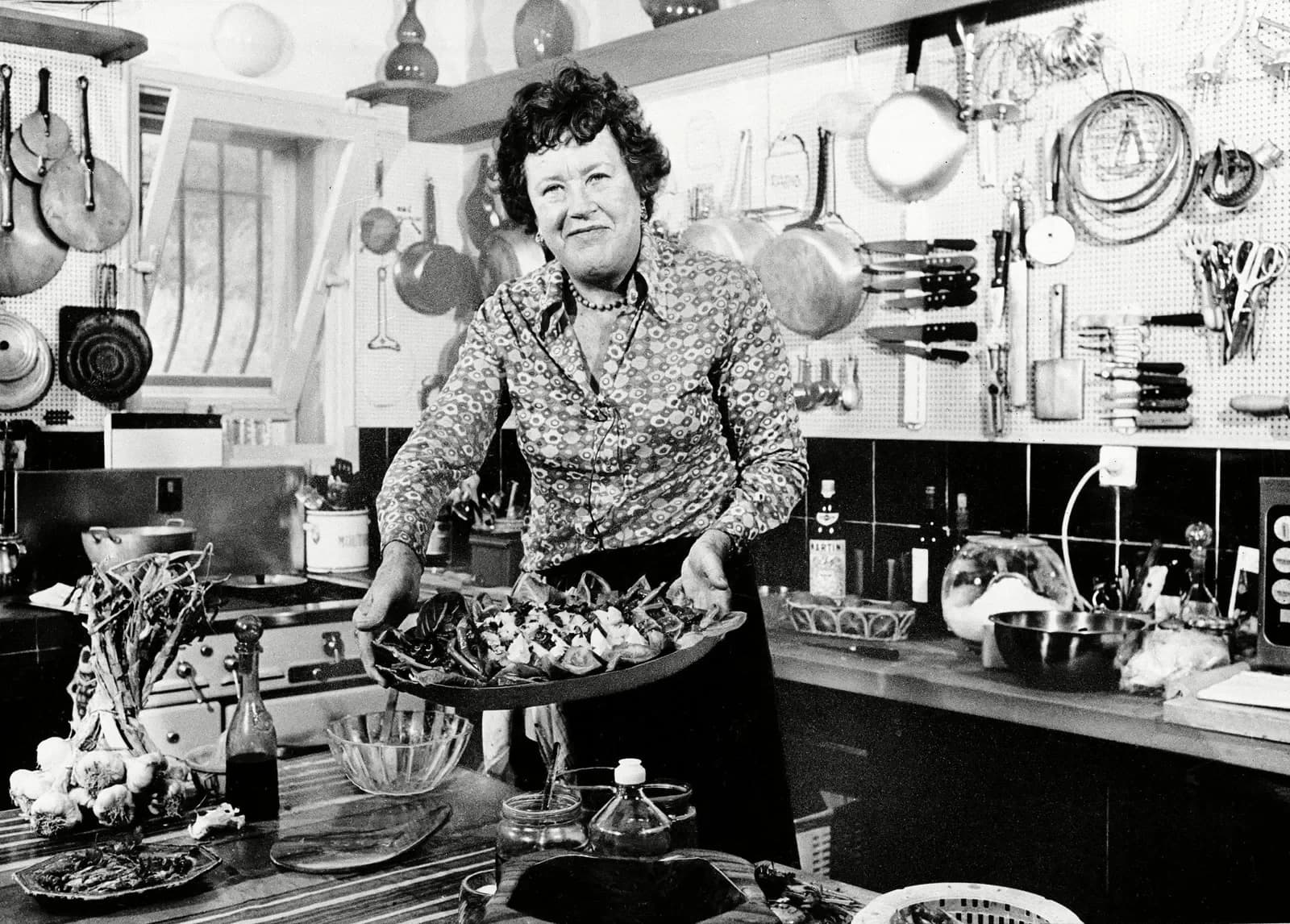
Her television shows revealed something revolutionary: mistakes are normal, recovery is possible, and confidence matters more than perfection. When she dropped food or something went wrong on camera, she laughed and continued. This fearlessness gave permission for generations of home cooks to try techniques they'd considered too difficult.
For professional cooking, Child's lesson is equally relevant: confidence allows experimentation, recovery from mistakes, and the creative flexibility that separates competent from exceptional.
Why Confidence Matters in the Kitchen
Cooking requires constant decision-making: when to flip the protein, how much to reduce the sauce, whether seasoning is adequate. These decisions happen in real time, often under pressure, with limited opportunity to correct errors.
Confidence allows decisive action. You flip the fish when instinct says it's ready, not when you're certain. You adjust seasoning based on taste, not measurement. You trust your judgment accumulated through experience.
Without confidence, cooks second-guess constantly. They hesitate at critical moments. They rely on timers and thermometers even when their senses tell them something different. This hesitation creates problems: overcooking while deciding whether something's done, underseasoning because you're afraid of overdoing it.
Julia Child understood this. She encouraged cooks to trust themselves, make decisions, and learn from outcomes. Confidence develops through practice, but practice requires willingness to attempt things you might mess up.
The Permission to Fail
Child's greatest contribution might be normalizing failure. She showed that professional cooking includes mistakes and that recovery is part of the skill.
When something went wrong on her show, she didn't pretend it was intentional or cut and restart. She acknowledged it, explained what happened, and demonstrated recovery. This honesty revealed that even experienced cooks face challenges.
This matters because fear of failure prevents experimentation. If mistakes are catastrophic, you never try new techniques or unfamiliar ingredients. You stay within safe boundaries, repeating what's proven.
Child gave permission to attempt ambitious cooking by showing that mistakes are learning opportunities, not disasters. This fearlessness unlocked creativity for countless cooks.
Technique as Confidence Builder
Here's the paradox: Child emphasized fearlessness, but she also taught proper technique. These aren't contradictory. Confidence comes from competence. The fearlessness to attempt challenging cooking develops from mastering fundamentals.
She spent extensive time teaching basic techniques: how to hold a knife, how to make classical sauces, how to break down proteins. This technical foundation created the confidence to attempt more complex preparations.
This is the path professional cooks follow. Master basics first. Build competence through repetition. Confidence emerges naturally from technical skill practiced until it becomes automatic.
After 3,000 private chef events, we've internalized this progression. The confidence to adapt to unfamiliar kitchens and unexpected challenges comes from technical foundations practiced thousands of times.
The Joy of Cooking
Child believed cooking should be enjoyable, not stressful. She approached every dish with evident pleasure, making the work look fun even when it was complicated.
This attitude matters more than it seems. Stress and anxiety tighten muscles, rush decisions, and increase mistakes. Joy and relaxation create better conditions for focused work.
Professional cooks who approach cooking as joyful challenge rather than stressful obligation generally perform better. The attitude affects everything: decision quality, creative flexibility, recovery from problems.
This doesn't mean professional cooking isn't serious. It means the seriousness includes genuine pleasure in the work. You can maintain high standards while enjoying what you're doing.
Demystifying French Cuisine
When Child introduced French cooking to American audiences in the 1960s, it was considered impossibly complex and intimidating. Restaurant techniques were professional secrets. French culinary terms were foreign and mysterious.
Child demystified everything. She explained techniques in plain language. She showed that French cooking was approachable for home cooks. She translated elaborate preparations into manageable steps.
This accessibility didn't diminish the cuisine. It revealed that great cooking is about technique and ingredients, not mystique or secrets. Anyone willing to learn proper methods and practice could achieve impressive results.
This lesson applies to all cooking. Professional techniques aren't magic. They're skills learned through instruction and practice. The confidence to attempt them comes from understanding they're achievable.
Where Perfectionism Limits Creativity
Child recognized that perfectionism can paralyze. If every dish must be flawless, you never attempt anything risky. You repeat safe preparations instead of exploring new approaches.
Her fearless attitude encouraged experimentation. Try the technique. If it doesn't work perfectly, learn why and try again. Focus on progress, not perfection.
This doesn't mean accepting poor quality. It means recognizing that growth requires attempting things you might not execute perfectly the first time. The goal is continuous improvement, not immediate perfection.
Professional cooks balance this constantly. Standards must be maintained, but innovation requires willingness to test approaches that might not work initially.
The Confidence to Simplify
Here's something interesting about Child's approach: as her confidence grew, her cooking often became simpler. She had mastered complex techniques, which gave her confidence to prepare dishes simply when simplicity served better.
This is the pattern professional cooks follow. Early in your career, you prove competence through complex preparations. With experience comes confidence to choose simplicity when it's appropriate.
Our approach reflects this. We have the technical skill to execute elaborate presentations. Often, we choose restraint because it better serves the ingredient and the guest. That choice comes from confidence, not limitation.
Fearlessness in Adaptation
Child worked without the tools and ingredients that modern cooks take for granted. She improvised constantly, adapting recipes based on what was available.
This flexibility came from confidence in fundamental principles. When you understand why techniques work, you can adapt them to varying conditions. When you know ingredients deeply, you can substitute intelligently.
This matters especially for private chef service. We're working in different kitchens with varying equipment every event. Fearless adaptation based on solid technical foundation allows us to maintain standards regardless of conditions.
The Voice of Encouragement
Child's teaching style was relentlessly encouraging. She assumed viewers could learn anything if properly taught. She never condescended or suggested techniques were beyond reach.
This encouragement mattered because cooking can be intimidating. The fear of failure prevents many people from attempting dishes they're capable of making.
Professional training often includes harsh criticism and high pressure. Child proved that encouragement and confidence-building can be equally effective teaching tools.
What Home Cooks Learned
Child taught American home cooks that they could make restaurant-quality food. Not through shortcuts or gimmicks, but through proper technique applied fearlessly.
This democratization of cooking knowledge changed American food culture. People who'd never considered making complicated dishes attempted them. The confidence to try expanded what home cooks considered possible.
Professional cooking benefits from this cultural shift. When guests understand what goes into proper cooking, they appreciate professional execution more deeply.
Where Confidence Shows
Professional cooking requires constant small acts of confidence: deciding when protein is properly cooked without cutting into it, adjusting seasoning based on taste rather than measurement, modifying techniques based on current conditions.
These decisions happen dozens of times during service. Each requires trusting your training and instincts. Hesitation and second-guessing degrade quality and slow execution.
Child's fearlessness applies directly to this professional reality. Trust your training. Make decisions. Learn from outcomes. This is how professionals operate under pressure.
The Balance of Planning and Spontaneity
Child planned meticulously but remained flexible during execution. She knew what she wanted to achieve but adapted based on what happened.
This balance is essential in professional cooking. You need systematic planning and preparation. You also need confidence to adjust when conditions require it.
The best cooks combine both: thorough preparation that creates foundation for confident adaptation. The planning allows flexibility. The confidence allows effective response.
Why It Still Resonates
Decades after Child's television shows, her core message remains relevant: approach cooking with confidence and joy. Don't be paralyzed by fear of mistakes. Trust your developing skills. Focus on progress over perfection.
These principles apply equally to home cooks attempting weekend projects and professionals executing high-pressure service. The specifics differ. The psychology is identical.
What Professional Cooking Requires
While Child focused on home cooking, her lessons about confidence translate directly to professional kitchens. Professional cooks need:
Confidence to make real-time decisions under pressure
Fearlessness to attempt challenging techniques and recover from mistakes
Trust in fundamental skills developed through practice
Joy in the work that prevents stress from degrading performance
Willingness to learn from failures without being paralyzed by them
After working professional kitchens and executing 3,000 private chef events, these principles remain essential.
The Standard We Maintain
Child believed in high standards achieved through proper technique applied fearlessly. This is exactly how we approach private chef service.
We maintain professional standards for technique, timing, and quality. We bring the confidence to adapt to varying conditions. We approach each event with genuine pleasure in creating exceptional food.
The fearlessness to execute in unfamiliar kitchens comes from technical foundation practiced thousands of times. The confidence to adjust based on conditions comes from experience solving problems across 3,000 events.
What Guests Experience
When your dinner arrives beautifully executed and properly timed, you're seeing the result of confident professional cooking. The decisions behind each dish, the adaptations to your specific kitchen, the recovery from small challenges — these happen invisibly.
What you experience is food that tastes exceptional and service that feels effortless. The confidence that created this ease remains behind the scenes.
The Legacy of Fearlessness
Julia Child proved that cooking should be approached with courage and joy, not fear and anxiety. This lesson transformed American cooking culture and remains relevant for professional cooks today.
Confidence allows decisive action. Fearlessness enables experimentation. Joy in the work creates conditions for excellence. These principles apply whether you're attempting a soufflé for the first time or executing your thousandth private chef event.
The standard is high. The approach is fearless. The goal is creating food that brings genuine pleasure.
---
Julia Child taught that cooking requires confidence more than perfection. Fearless experimentation, recovery from mistakes, and genuine joy in the work create better outcomes than anxious perfectionism.
At Marrow, we bring this confident fearlessness to every private chef event on 30A. Technical skill developed through years of practice. Confidence to adapt to any condition. Genuine pleasure in creating exceptional food.
The result is service that feels effortless because the confidence operates invisibly. Just as Child intended.
Ready to experience cooking built on confident technical excellence? View our menus or get in touch to plan your dinner.
Want to talk through what week works for your family?
Reach out — we respond within hours.
More from the journal
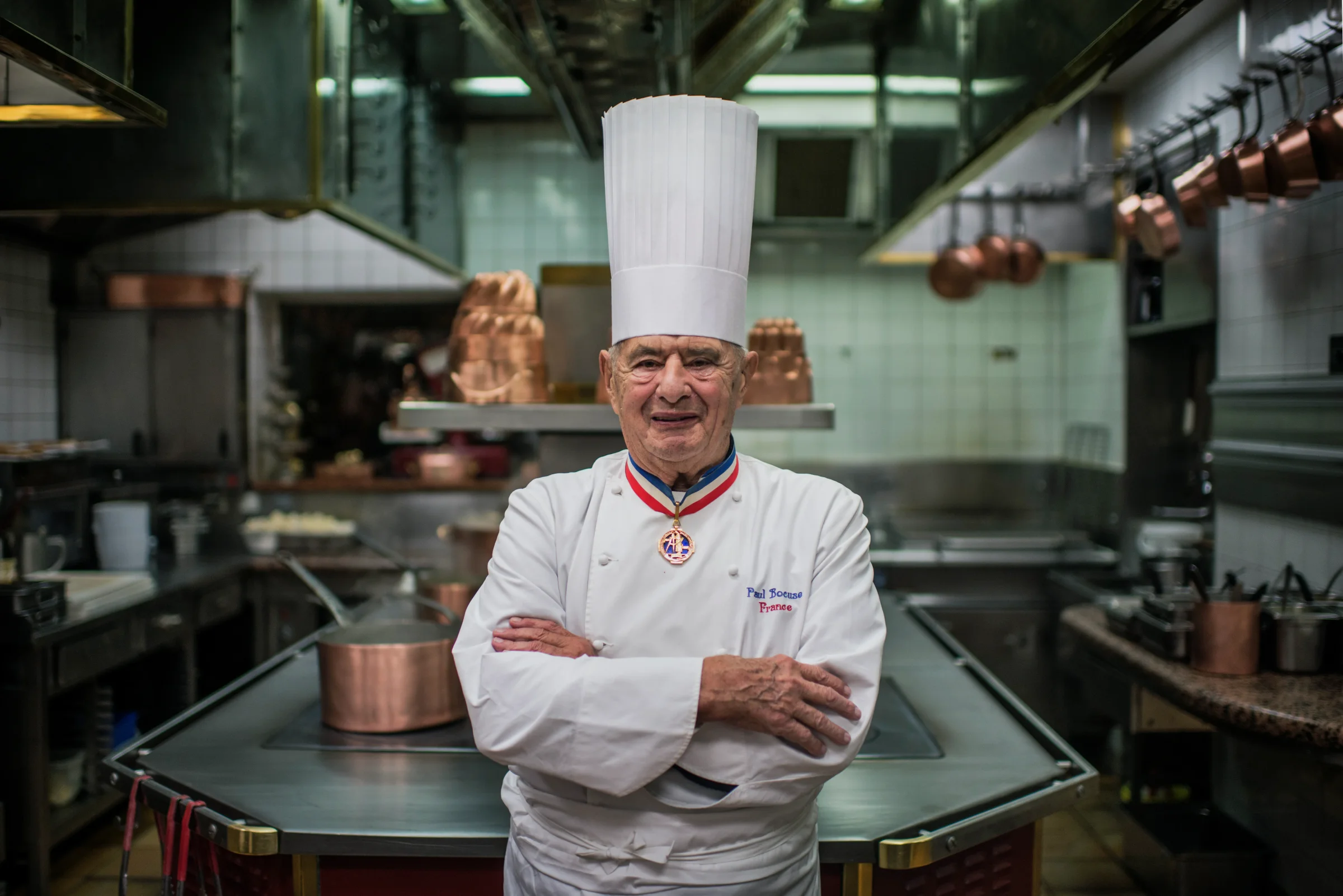
What Paul Bocuse Taught Us About Gulf Seafood
Paul Bocuse's philosophy on respecting ingredients shapes how Marrow Private Chefs approach Gulf Coast seafood. Classic technique meets local flavor.
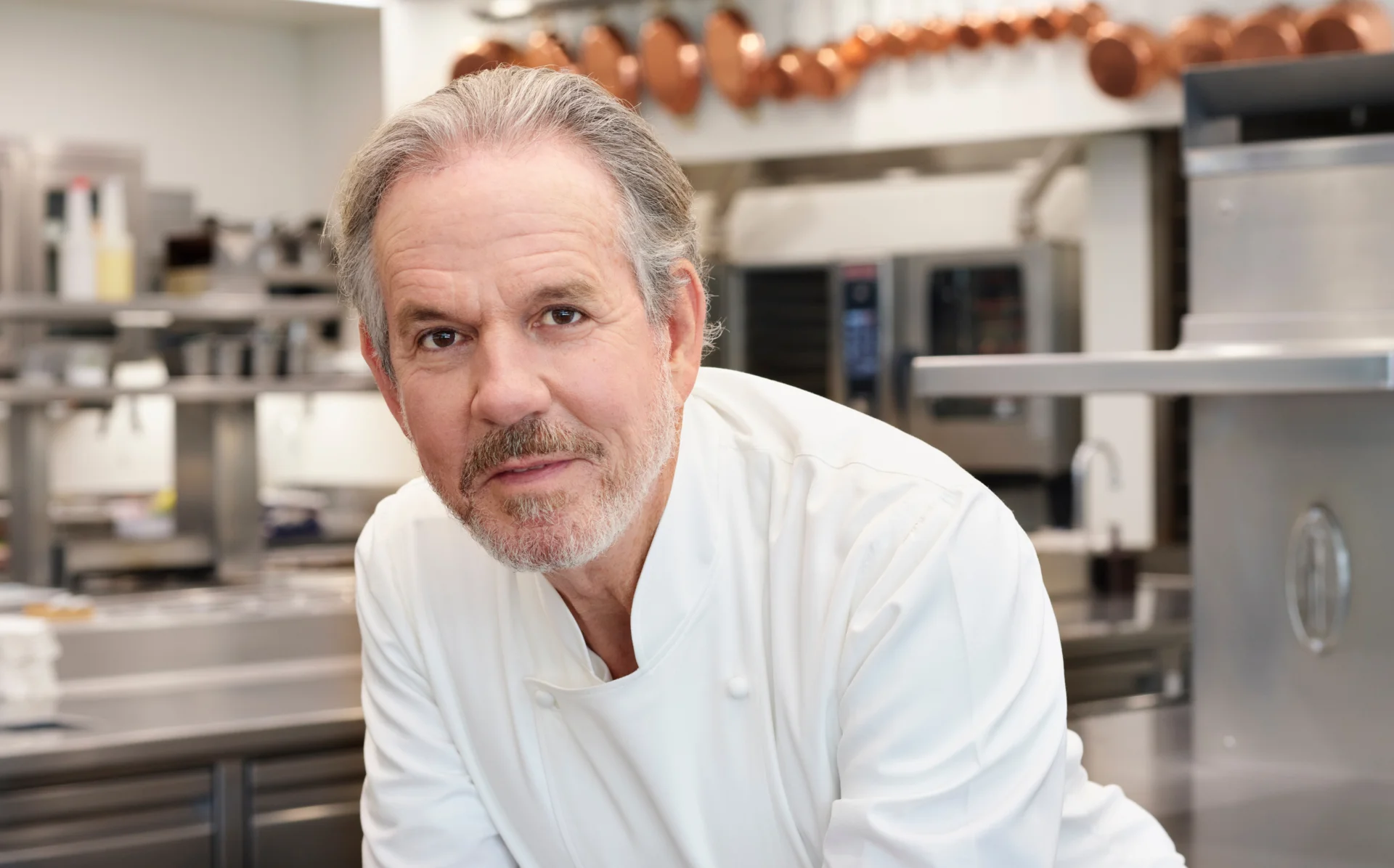
Thomas Keller's "Sense of Urgency": Precision in Private Chef Execution
Thomas Keller's French Laundry discipline and "sense of urgency" philosophy shapes flawless private chef execution on the Emerald Coast.
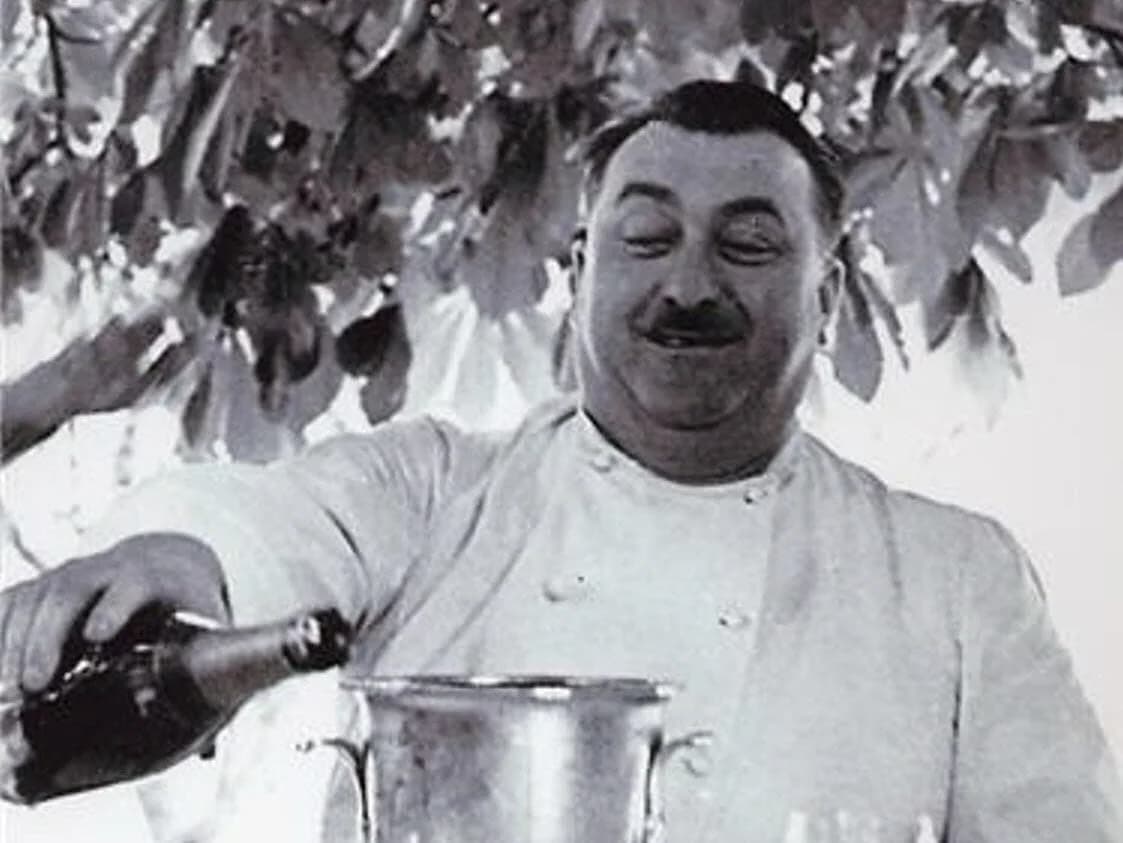
Ferdinand Point's Philosophy: Why Simplicity Still Matters
Ferdinand Point pioneered simplicity in French cuisine. Learn how his philosophy influences modern private chef service on 30A.