Alice Waters and Farm-to-Table: How It Shaped Gulf Coast Private Chef Service
When Alice Waters opened Chez Panisse in 1971, she introduced a radical idea: source ingredients locally, build relationships with farmers, let seasonal availability guide the menu, and trust that quality ingredients prepared simply would surpass elaborate dishes made with mediocre products.
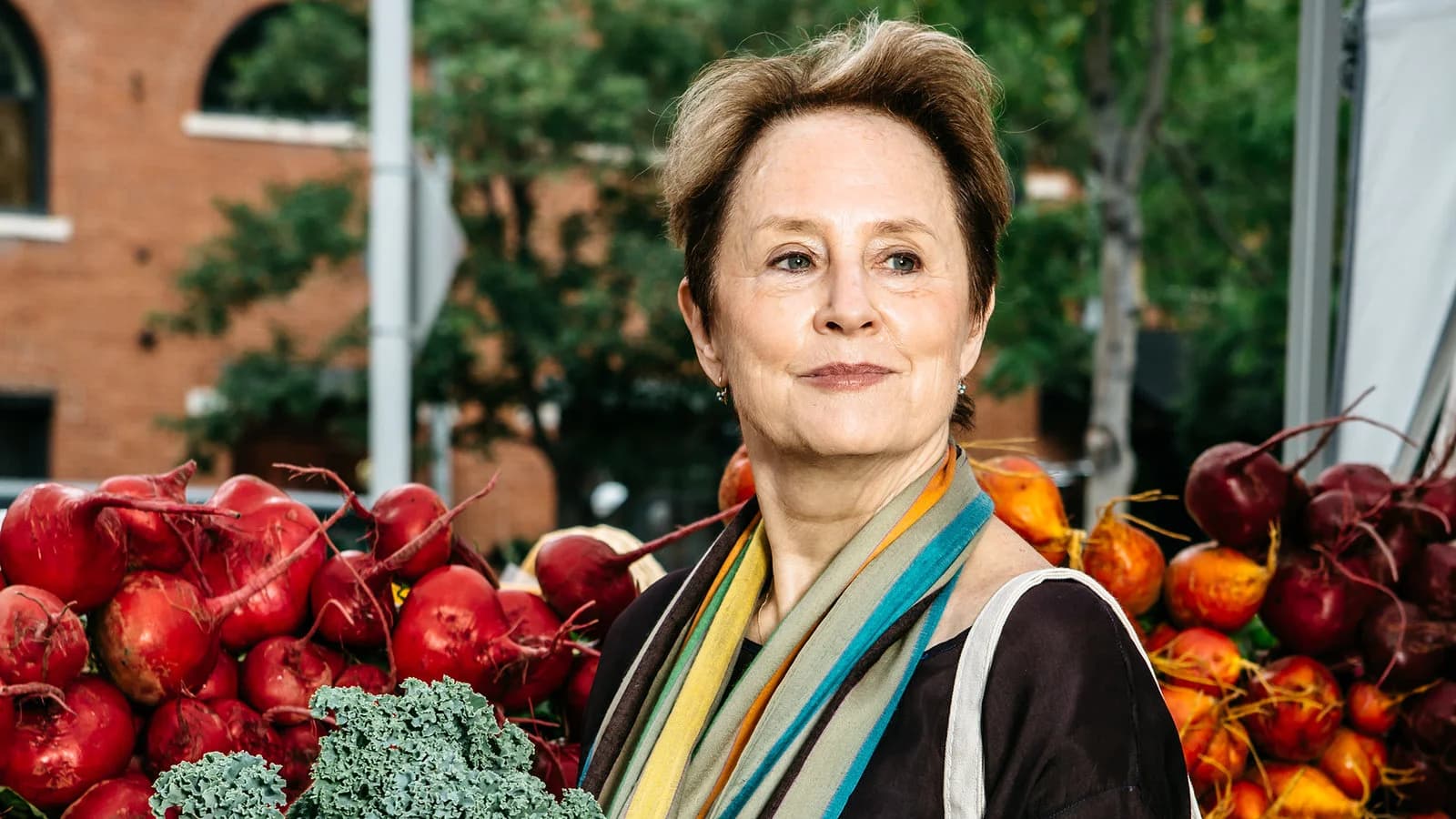
This wasn't farm-to-table yet. That term came later. Waters was simply insisting that ingredients matter more than technique, that the best cooking often means getting out of the way, and that supporting local food systems creates better results for everyone.
Fifty years later, these principles have become standard in serious kitchens. For private chef service on Florida's Emerald Coast, Waters' philosophy translates directly to what we call Gulf-to-table: fresh seafood caught in local waters, prepared with respect for its natural quality.
The Core Principle: Ingredients First
Waters' fundamental belief is simple: start with exceptional ingredients, then apply technique that enhances rather than masks their natural qualities.
This inverts how many cooks think. The tendency is to focus on what you'll do to the food — the technique, the preparation, the presentation. Waters flipped this: first secure quality ingredients, then decide how to prepare them based on what they need.
A perfectly ripe tomato needs salt and good olive oil. Elaborate preparation would diminish it. Fresh Gulf snapper caught yesterday needs gentle heat and minimal intervention. Heavy sauces would obscure its delicate flavor.
This restraint requires confidence. You're trusting that quality ingredients will carry the dish. You're not hiding behind technique or elaborate presentations.
Building Food Systems, Not Just Sourcing
What separated Waters from other chefs emphasizing quality ingredients was her commitment to building relationships with local producers. She didn't just buy good tomatoes. She worked with farmers to grow specific varieties. She didn't just source meat. She helped establish systems that allowed small ranchers to succeed.
This approach recognized that great cooking requires great ingredients, and great ingredients require functional food systems. You can't have one without the other.
For Gulf Coast private chef service, this means maintaining relationships with trusted seafood suppliers, understanding local seasons, knowing which fish are running when, and supporting the systems that keep Gulf waters productive.
We source snapper, cobia, triple tail, and wahoo from the same suppliers that serve high-end restaurants across 30A. These relationships ensure quality and support the local fishing economy that makes Gulf-to-table cooking possible.
Seasonal Eating as Discipline
Waters insisted that menus should change with seasons. Not because seasonal eating is trendy, but because ingredients are best when naturally in season.
This requires flexibility. You can't commit to a fixed menu year-round and maintain quality. You need to adapt based on what's available and excellent right now.
Our signature private chef experience embodies this principle: four courses, plated and served, showcasing currently seasonal dishes. The menu changes throughout the year because we're adapting to what's best in the moment.
This is luxury: the flexibility to source and prepare what's excellent now rather than forcing ingredients that aren't at peak quality.
The Connection to Place
Waters understood that food connects us to place. When you eat something grown or caught nearby, prepared simply, you're experiencing the specific characteristics of that region.
This matters on the Emerald Coast. Gulf seafood tastes different from Atlantic seafood or Pacific seafood. The water chemistry, the temperature, the species — these create distinct flavors.
When we serve Gulf snapper caught within miles of where you're staying, you're tasting something specific to this place. That connection is part of the experience, not just background information.
This is what Gulf-to-table means: honoring the specific food traditions and natural resources of this region.
Simplicity Requires Quality
Here's the challenge with Waters' approach: simple preparations expose everything. There's nowhere to hide. If the tomato isn't perfectly ripe, everyone will know. If the fish isn't fresh, no sauce will save it.
This is why ingredient quality becomes non-negotiable. Simple preparations only work when ingredients are exceptional.
Our half-shell oysters exemplify this principle. Fresh Gulf oysters, properly shucked, served with lemon crystal foam and apple radish mignonette. The modernist touch — the foam — complements without overwhelming. The oyster must be fresh and high quality because it's the star.
This is the discipline Waters taught: if you're going to prepare something simply, the ingredient better be worth it.
How It Shaped American Cooking
Before Chez Panisse, fine dining in America often meant elaborate French preparations, formal service, imported ingredients. Waters proved that local ingredients, seasonal cooking, and a more relaxed atmosphere could produce exceptional experiences.
This shift influenced an entire generation of chefs. The emphasis on local sourcing, seasonal menus, and ingredient-focused cooking became standard in serious restaurants.
For private chef service, this influence is profound. We're not trying to replicate classical French cuisine in your vacation rental. We're preparing food that honors Gulf Coast ingredients and traditions, elevated through professional technique.
Where Technique Fits
Waters' emphasis on ingredients doesn't eliminate technique. It changes how technique is applied.
Instead of elaborate preparations that transform ingredients, technique serves to reveal their natural qualities. Proper cooking temperatures that preserve delicate fish texture. Careful seasoning that enhances rather than overwhelms. Presentations that show rather than disguise.
This is still technical cooking. It just looks different from complexity-focused cuisine.
Our approach reflects this balance. We have the technical skill to execute elaborate preparations. Often, we choose restraint because it better serves the ingredient and the guest.
The Environmental Dimension
Waters recognized early that local sourcing isn't just about flavor. It's about sustainability, supporting local economies, and reducing environmental impact.
This matters increasingly. As food systems face climate challenges, local and seasonal eating becomes more than preference — it becomes necessity.
For Gulf Coast cooking, this means supporting sustainable fishing practices, understanding which species are thriving and which need protection, and adapting menus based on current conditions.
We work with suppliers who share these values. The Gulf seafood we serve isn't just fresh. It's sourced responsibly from systems designed for long-term sustainability.
How This Translates to Private Chef Service
When you book a dinner with Marrow, you're benefiting from principles Waters established: quality local ingredients, seasonal availability, simple preparations that honor natural flavors, and support for regional food systems.
This isn't just philosophy. It affects what appears on your plate. The Gulf snapper we serve tastes noticeably different from frozen, imported fish. The difference is immediately apparent.
The shrimp in our Tex Mex taco party comes from Gulf waters. The seafood in our Chophouse dinner is sourced from trusted local suppliers. This matters for flavor, but it also connects your dinner to this specific place.
Building vs. Buying
Waters taught that great cooking requires building systems, not just making purchasing decisions. You can't consistently access exceptional ingredients without supporting the infrastructure that produces them.
This is why we maintain relationships with specific suppliers rather than just buying whatever's available. Quality requires consistency, and consistency requires relationships.
After 3,000 events, we've built networks of trusted sources. This allows us to maintain standards regardless of season or availability challenges.
The Quiet Luxury Connection
There's an interesting parallel between Waters' approach and quiet luxury positioning. Both emphasize quality over ostentation, substance over flash, confidence over performance.
You don't need elaborate presentations if the ingredients are excellent. You don't need complex techniques if the sourcing is thoughtful. The quality speaks for itself.
This aligns with how we think about private chef service. We're not performing. We're not showing off. We're preparing exceptional food with genuine care and serving it in a way that allows you to focus on your guests and your evening.
The luxury is in the quality and the ease, not in elaborate displays.
What Home Cooks Can Learn
Waters' most important lesson applies beyond professional cooking: ingredients matter more than most people realize. Improving your sourcing improves your cooking more effectively than learning complex techniques.
This is especially relevant for home cooks. You don't need professional training to make simple preparations with quality ingredients. A ripe tomato with good salt needs no technique. Fresh fish cooked properly needs no elaborate sauce.
The challenge is access to quality ingredients and the confidence to prepare them simply. Both require practice and knowledge about what to look for.
Where We've Taken It
Marrow's Gulf-to-table philosophy extends Waters' farm-to-table approach to our specific region. Fresh Gulf seafood is our primary protein for most menus. We emphasize Southern coastal ingredients and traditions. We adapt menus based on seasonal availability.
But we also incorporate modern technique where it enhances the experience. The lemon crystal foam on our oysters. The collard green pot likker gel. The sous vide precision for certain proteins.
This is the evolution: Waters' ingredient-first philosophy combined with contemporary technique applied purposefully. Not technique for its own sake, but technique that serves quality ingredients.
The Standard That Remains
Fifty years after Chez Panisse opened, Waters' core principles remain relevant: source thoughtfully, cook seasonally, prepare simply when simple is best, and build the systems that make quality accessible.
For private chef service on the Emerald Coast, these principles translate directly to our work. Gulf-to-table isn't marketing language. It's an operational philosophy that affects how we source, what we prepare, and how we cook.
What You Experience
When your dinner features Gulf snapper caught locally, prepared with care, and served simply, you're experiencing principles Alice Waters established decades ago. The connection to place, the emphasis on quality, the confidence to let ingredients shine.
You don't need to know the philosophy behind it. You just taste the difference: fresh, clean flavors that could only come from quality ingredients treated properly.
That's the goal. Not to educate about sourcing philosophy, but to deliver food that tastes exceptional because the foundation is sound.
---
Alice Waters proved that great cooking begins with great ingredients, and great ingredients require building systems that support quality. This principle — simple but profound — transformed American cooking.
At Marrow, we bring this philosophy to every private chef event on 30A. Gulf-to-table cooking that honors regional ingredients, seasonal availability, and the specific character of Florida's Emerald Coast.
The difference is in the details: fresh seafood caught locally, prepared with professional care, served in a way that connects your dinner to this place.
Ready to taste the difference quality ingredients make? Explore our menus or get in touch to start planning your Gulf Coast dinner.
Want to talk through what week works for your family?
Reach out — we respond within hours.
More from the journal
What Paul Bocuse Taught Us About Gulf Seafood
Paul Bocuse's philosophy on respecting ingredients shapes how Marrow Private Chefs approach Gulf Coast seafood. Classic technique meets local flavor.
Thomas Keller's "Sense of Urgency": Precision in Private Chef Execution
Thomas Keller's French Laundry discipline and "sense of urgency" philosophy shapes flawless private chef execution on the Emerald Coast.
Ferdinand Point's Philosophy: Why Simplicity Still Matters
Ferdinand Point pioneered simplicity in French cuisine. Learn how his philosophy influences modern private chef service on 30A.