Ferdinand Point's Philosophy: Why Simplicity Still Matters
Ferdinand Point ran La Pyramide in Vienne, France, from the 1920s through 1950s. He became legendary not through elaborate presentations or complicated techniques, but through radical simplicity: perfect ingredients prepared with precise technique and nothing unnecessary.
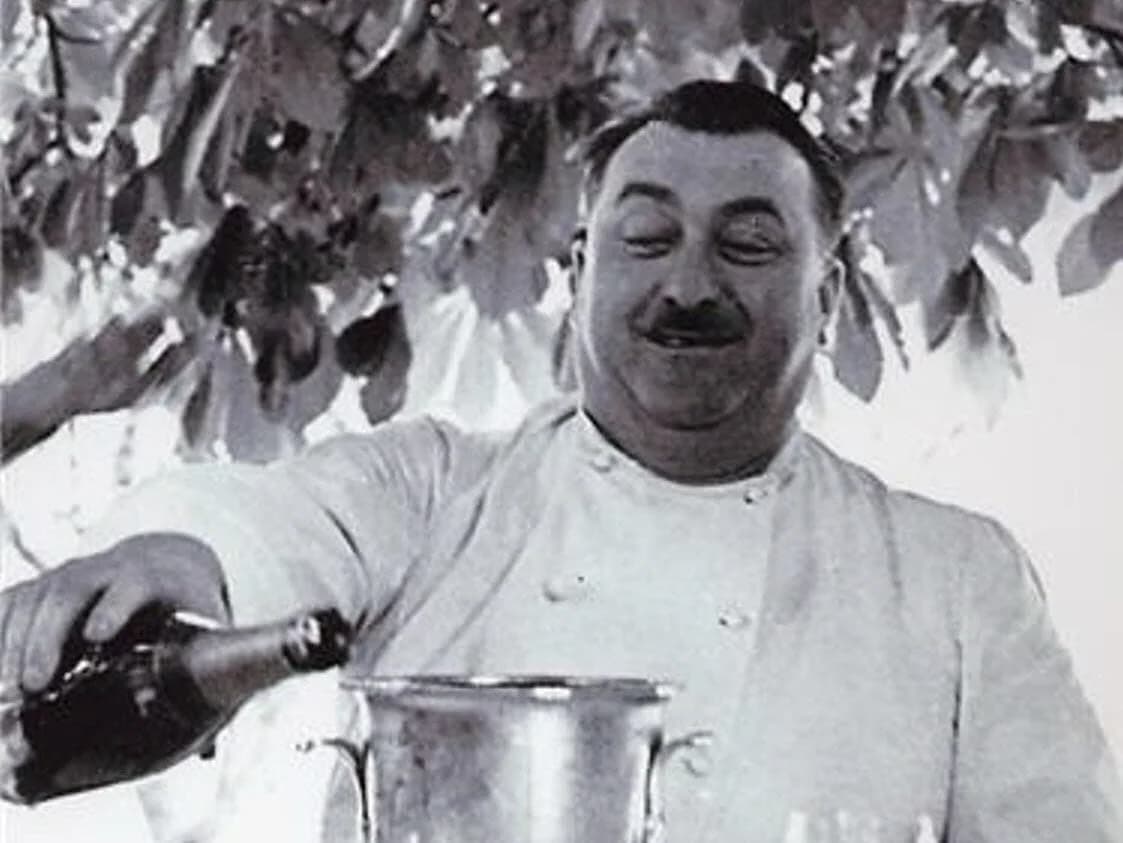
His philosophy can be summarized simply: "In all simplicity, a dish should be perfect." No excess. No showing off. No unnecessary flourishes. Just quality ingredients treated properly with genuine care.
This principle transformed French cuisine and remains essential today. Especially for private chef service, where intimate settings and smaller groups allow focus on quality rather than spectacle.
What Simplicity Actually Means
Point's simplicity wasn't about making things easy or cutting corners. It was about eliminating anything that didn't serve the guest or the ingredient.
A dish with six unnecessary garnishes isn't more sophisticated than one with perfect execution of essentials. Adding complexity for its own sake dilutes focus rather than enhancing quality.
This takes discipline. The temptation in professional cooking is to demonstrate skill through elaborate preparations. Point proved that restraint requires more confidence than complexity.
When we prepare Gulf snapper with brown butter and herbs, we're applying Point's philosophy. The simplicity allows the fish quality to shine. Additional elements would distract rather than enhance.
Why Quality Ingredients Matter Most
Point was obsessive about ingredient quality. He sourced locally, built relationships with suppliers, and refused to prepare dishes when proper ingredients weren't available.
This makes sense: simple preparations expose everything. If the protein isn't excellent, everyone notices. If vegetables aren't fresh, no technique saves the dish. Quality ingredients are non-negotiable when cooking simply.
This is why our Gulf-to-table approach works. Gulf seafood caught locally and delivered fresh has natural quality that needs minimal intervention. The simplicity reveals what makes these ingredients special.
Technique in Service to Ingredient
Point mastered classical French technique before embracing simplicity. This is crucial: his simple preparations succeeded because fundamental technique was flawless.
The restraint wasn't lack of skill. It was confidence that proper execution of basics creates better results than complicated preparations with shaky fundamentals.
This is the pattern professional cooks follow: master complex technique, then recognize when simplicity serves better. The confidence to simplify comes from technical competence.
After 3,000 private chef events, we've internalized this lesson. We can execute elaborate preparations. Often, we choose simplicity because it better serves the ingredient and guest.
The Discipline of Restraint
Here's what makes Point's philosophy challenging: restraint requires constant discipline. Every service presents temptation to add elements, complicate preparations, showcase technique.
Point resisted consistently. If an element didn't improve the dish, it was removed. This ruthless editing created focused, coherent preparations where every element had purpose.
This discipline is harder than it seems. Professional cooking creates pressure to prove competence through visible complexity. Choosing simplicity feels risky when you're worried about appearing insufficient.
Point proved that confidence allows simplicity. When you know your fundamentals are solid, you don't need to prove anything through unnecessary complexity.
Why Less Is Often More
Point understood that adding elements creates diminishing returns. The first flavor added to quality protein enhances. The second might complement. By the fifth or sixth, you're creating confusion rather than complexity.
This principle appears throughout cooking: more ingredients don't automatically create better results. They create more variables to balance and more opportunities for error.
Simple preparations with few elements require each element to be perfect. Complex preparations with many components allow individual weaknesses to hide. The simplicity demands excellence.
How It Influenced Modern Cooking
Point's students included Paul Bocuse, Alain Chapel, and other chefs who revolutionized French cuisine. They all absorbed his lesson about quality and simplicity.
This influence continues today. The best contemporary chefs understand that elaborate presentations must serve purpose beyond visual interest. The food must taste better because of complexity, not just look more impressive.
Our approach reflects this influence. The pork belly s'more is complex, but every element serves purpose. We're not adding components to look impressive. Each contributes to the complete flavor profile.
The Standard of Perfection
Point's phrase "a dish should be perfect" sets an uncompromising standard. Not good. Not impressive. Perfect within its conception.
This means the simple roast chicken must be perfectly cooked, correctly seasoned, properly rested. The butter sauce must be properly emulsified, correctly balanced, served at right temperature. Every element meeting highest standard.
This is harder than elaborate cooking where small imperfections can hide in complexity. Simple preparations require flawless execution because nothing masks mistakes.
After 3,000 events, we've learned this standard thoroughly. Simple preparations require perfect fundamentals. The restraint makes technique more important, not less.
Where Hospitality Enters
Point believed that cooking served hospitality. Food should make guests feel welcomed and cared for, not intimidated or confused by unnecessary complexity.
This hospitality-first approach meant preparations were elegant but approachable. Guests didn't need culinary education to appreciate the food. Quality and care were immediately apparent.
For private chef service in intimate settings, this principle becomes essential. We're in your space, cooking for your group, contributing to your special occasion. The food should feel welcoming, not pretentious.
The Confidence to Edit
Point's greatest skill might have been knowing what to remove. Each element was questioned: does this improve the dish? If not, remove it.
This editing requires confidence and clarity about what you're trying to achieve. Without clear vision, you can't identify what's unnecessary.
This applies to menu planning. Not every course needs elaborate components. Not every element needs modern technique. Sometimes the best choice is the simple one executed perfectly.
Why Simplicity Isn't Easy
Home cooks sometimes assume simple preparations are easy because they require fewer steps. Professional cooks know otherwise: simple preparations are unforgiving.
When you roast a chicken with herbs, the technique must be perfect. The timing must be exact. The seasoning must be correct. One error and everyone notices because nothing else distracts.
Complex preparations allow margin for error. Simple preparations demand perfection. This is why Point's philosophy is challenging: it requires consistently flawless fundamentals.
The French Paradox
Here's what's interesting about Point's influence: he simplified French cooking while maintaining its reputation for sophistication. The food became more approachable without losing elegance.
This shows that sophistication comes from quality and execution, not from complexity. A perfectly roasted chicken is more sophisticated than poorly executed elaborate presentation.
This lesson applies to all professional cooking: impress through quality, not complexity. The sophistication should be in how well things are done, not how many things are attempted.
How We Apply It
Point's philosophy guides our approach to private chef service. We start by asking: what serves this ingredient and this occasion best?
Sometimes that's elaborate tasting menu with creative preparations. Sometimes it's simple techniques that allow quality ingredients to shine. The answer depends on context, not on proving skill.
The Southern supper features straightforward preparations: roasted pork, braised chicken, scratch-made sides. Simple techniques executed well. Point would recognize the philosophy even if the cuisine is different.
What Guests Experience
When your dinner features simple preparations—perfectly cooked proteins, properly seasoned vegetables, clean balanced sauces—you're experiencing Point's philosophy: quality ingredients treated with respect, precise technique applied purposefully, nothing unnecessary.
You don't need culinary education to appreciate this. The quality is immediate and apparent. The care is evident in every element.
This is what Point intended: cooking that impresses through excellence, not through complexity that requires explanation.
The Modern Relevance
Point's philosophy remains relevant because the fundamental challenge hasn't changed: how do you create memorable dining experiences that satisfy rather than overwhelm?
His answer—quality ingredients, precise technique, ruthless simplicity—works as well today as in 1950s France. The principle translates across cuisines, contexts, and eras.
This is why we return to these lessons. They're not historical curiosities. They're functional approaches to problems every professional cook still faces.
Why It Takes Confidence
Point's greatest insight might be that simplicity requires confidence. You need solid technical foundation. You need trusted ingredient sources. You need clarity about what you're trying to achieve.
Without these foundations, complexity feels safer. You're hedging through additional elements. You're hiding uncertainty behind elaborate presentations.
With solid foundations, simplicity becomes natural. You're confident that quality ingredients prepared properly will create excellent results. The restraint comes from strength, not weakness.
The Legacy
Ferdinand Point taught that cooking should be simple but perfect. Quality ingredients treated with precise technique and genuine care create better results than elaborate preparations with questionable fundamentals.
This lesson influenced modern cooking profoundly. The best chefs understand that complexity must serve purpose. Simplicity executed perfectly beats complexity executed poorly.
What It Means for Private Chef Service
Private chef service in intimate settings benefits especially from Point's philosophy. We're not performing for dining rooms. We're creating experiences for small groups in private spaces.
This context rewards quality and restraint. Elaborate presentations feel out of place. Simple preparations that reveal quality ingredients feel appropriate.
Point's influence is everywhere in how we approach menus, sourcing, and execution. The goal is perfect simplicity, not elaborate complexity.
---
Ferdinand Point revolutionized French cooking by proving that simplicity executed perfectly beats complexity executed imperfectly. Quality ingredients, precise technique, ruthless editing, and genuine care create memorable dining more reliably than unnecessary elaboration.
This philosophy remains essential for professional cooking, especially in intimate private settings where quality matters more than spectacle.
At Marrow, we bring Point's discipline to every private chef event on 30A. Quality Gulf Coast ingredients. Classical technique applied purposefully. Nothing unnecessary. Everything perfect within its conception.
The result is food that impresses through excellence rather than complexity. Just as Point intended.
Ready to experience the power of simplicity done right? Explore our menus or reach out to plan your dinner.
Want to talk through what week works for your family?
Reach out — we respond within hours.
More from the journal
What Paul Bocuse Taught Us About Gulf Seafood
Paul Bocuse's philosophy on respecting ingredients shapes how Marrow Private Chefs approach Gulf Coast seafood. Classic technique meets local flavor.
Thomas Keller's "Sense of Urgency": Precision in Private Chef Execution
Thomas Keller's French Laundry discipline and "sense of urgency" philosophy shapes flawless private chef execution on the Emerald Coast.
Alice Waters and Farm-to-Table: How It Shaped Gulf Coast Private Chef Service
Alice Waters pioneered farm-to-table dining. Learn how her local sourcing philosophy shaped modern Gulf Coast private chef service on 30A.