3,000 Events and Zero Food Safety Incidents: Our Safety Protocol
Food safety isn't glamorous. It doesn't show up in photos. Guests don't see it happening. But it's the foundation of everything we do.
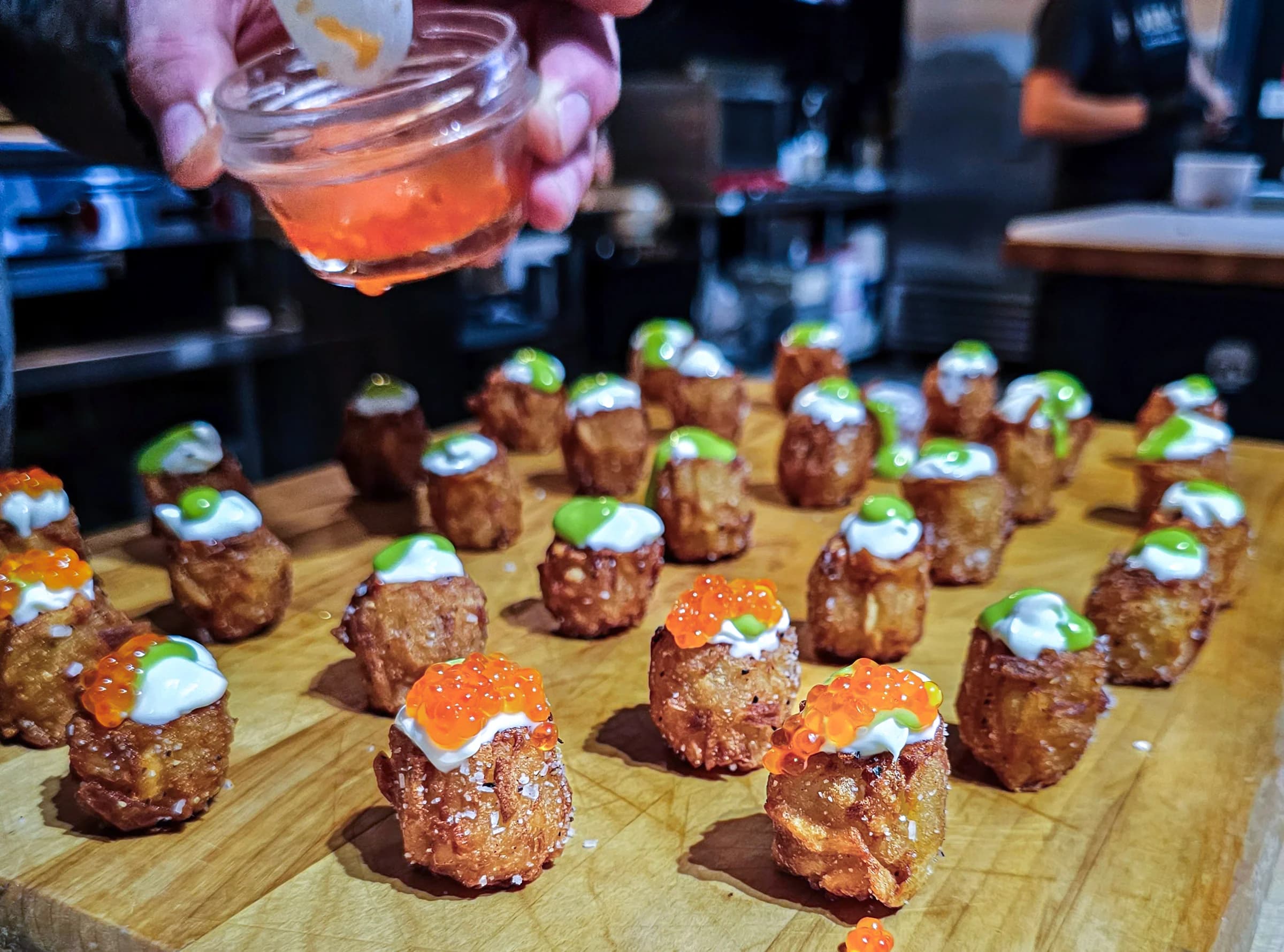
We've served over 3,000 events since 2018. Weddings, private dinners, corporate gatherings, multi-day celebrations. Not once has a guest become ill from food we prepared. Not once.
That's not luck. It's protocol. Here's how we maintain a perfect health inspection record in our facility and a perfect safety record across thousands of events — and why it matters more than technique or presentation.
The Standard: Zero Incidents
Food safety in catering isn't about reducing risk. It's about eliminating it entirely.
One incident can end a catering business. One case of foodborne illness — even if it's not your fault — damages reputation permanently. Guests remember getting sick. They don't remember that the filet mignon was reverse seared to a perfect medium-rare.
Our standard isn't "minimize risk" or "follow best practices." It's zero incidents. After 3,000+ events, we've hit that standard. Here's how.
Protocol Starts Before We Leave the Kitchen
Food safety begins long before we arrive at your event.
Ingredient sourcing:
We source from trusted suppliers with documented food safety programs. Gulf seafood comes from licensed commercial fishermen or reputable seafood markets. Proteins are purchased from USDA-inspected facilities. Produce is inspected for quality and freshness before purchase.
Temperature control from the start:
Ingredients are stored at proper temperatures from the moment they arrive at our facility. Refrigerated items stay at 40°F or below. Frozen items stay at 0°F or below. We monitor temperatures daily.
Prep in a commercial kitchen:
Some prep happens in our licensed commercial kitchen before we head to your event. This includes marinating proteins, preparing sauces, and portioning ingredients. Our kitchen meets Florida Department of Business and Professional Regulation (DBPR) standards and is inspected regularly. Across 7+ years and 2 different facilities, we have earned a “zero critical” report each time we’ve been inspected.
Packing for transport:
Everything is packed in temperature-controlled coolers with ice packs or gel packs. Proteins stay separated from ready-to-eat items. Raw and cooked foods never touch. Coolers are pre-chilled before packing.
By the time we arrive at your rental, food has been handled safely at every step.
Temperature Control During Transport and Service
Temperature abuse is the leading cause of foodborne illness. Bacteria multiply rapidly in the "danger zone" (40°F to 140°F). Our job is to keep food out of that zone.
Cold food stays cold:
Ingredients that need to stay cold (seafood, dairy, pre-prepped salads) are transported in coolers with ice. We monitor temperatures with thermometers. If something reaches unsafe temperatures during transport, we don't use it.
Hot food stays hot:
If we're transporting hot food (for delivery meals), it's packed in insulated containers and delivered immediately. Hot food stays above 140°F until it reaches the guest.
Cooking to safe temperatures:
All proteins are cooked to safe minimum internal temperatures:
- Poultry: 165°F - Ground meats: 160°F - Pork, lamb (whole cuts): 145°F with a 3-minute rest - Seafood: 145°F We use instant-read thermometers to verify temperatures. No guessing.
Holding temperatures:
If food is cooked ahead of service, it's held at safe temperatures (above 140°F for hot food, below 40°F for cold food). We don't let food sit at room temperature.
Temperature control isn't optional. It's the baseline.
Cross-Contamination Prevention
Cross-contamination happens when bacteria from raw food transfers to ready-to-eat food. It's preventable with proper protocols.
Separate cutting boards:
Raw proteins are prepped on dedicated cutting boards. We never use the same board for raw chicken and salad greens. If we're working in a vacation rental kitchen, we bring our own boards to ensure separation.
Hand washing:
We wash hands frequently:
- After handling raw proteins - Before handling ready-to-eat food - After touching anything that could contaminate hands (trash, phones, face) Vacation rental kitchens always have soap and water. If not, we bring hand sanitizer as a backup.
Surface sanitation:
Counters and prep surfaces are sanitized before and during service. We use food-safe sanitizer and clean towels. If a surface touches raw protein, it's sanitized before anything else touches it.
Cross-contamination is easy to prevent if you follow the rules every single time.
Allergen Management
Allergens are a different category of food safety. Cross-contamination with allergens can cause severe reactions, and we treat allergen protocols as seriously as bacteria prevention.
Collecting allergy information:
When you book, we ask about dietary restrictions and allergies. We document these in our system and communicate them to the chef assigned to your event.
Dedicated prep areas:
If a guest has a severe allergy (shellfish, nuts, gluten), we prep their food separately from other dishes. Different cutting boards, different utensils, sanitized workspace.
Ingredient verification:
We read labels on every packaged ingredient to verify they're free from allergens. If a guest is allergic to soy, we modify sauces and marinades to use tamari instead.
Communication during service:
When serving, we confirm which dish is allergen-free and communicate that clearly to the guest. There's no ambiguity.
Zero incidents with allergies:
Across 3,000+ events, we've never had a guest experience an allergic reaction from food we prepared. That's because we treat allergen management as non-negotiable.
If you or your guests have allergies, let us know when you book. We'll build your menu around those restrictions.
On-Site Safety in Vacation Rentals
Cooking in vacation rentals presents unique challenges. You're not in a commercial kitchen. Equipment varies. Layouts differ. We adapt while maintaining safety standards.
Assessing the kitchen:
When we arrive, we assess the workspace. Are surfaces clean? Do appliances work properly? Is there adequate space to separate raw and cooked foods? If something's not up to standard, we address it before starting prep.
Bringing our own equipment:
We bring our own cutting boards, knives, utensils, and cookware. This ensures we're using clean, food-safe equipment regardless of what the rental provides.
Managing limited space:
Some rental kitchens are small. We organize workspace carefully — raw proteins in one area, ready-to-eat items in another. If space is tight, we prep in stages to avoid cross-contamination.
Dealing with broken appliances:
Occasionally a rental's freezer doesn't work or an oven malfunctions. We adapt. Our temperature-controlled coolers keep ingredients cold even if the fridge is broken. If an oven doesn't work, we adjust cooking methods (using stovetop or grill if available).
What Guests Don't See
Most of our food safety protocols happen behind the scenes. Guests see beautifully plated courses. They don't see the thermometer checks, the hand washing, the sanitized cutting boards.
That's intentional. Food safety should be invisible to the guest. If we're doing it right, they never think about it. They just enjoy a great meal and feel fine the next day.
But behind every flawless event is a checklist of safety steps that happened without anyone noticing.
Why We Track Our Safety Record
We keep detailed records of every event:
- Date and location - Menu served - Ingredients sourced and suppliers used - Any incidents or issues (equipment failures, allergies, etc.) This documentation serves two purposes:
Accountability: If something goes wrong, we can trace it back to the source and address it immediately.
Proof of consistency: 3,000+ events with zero food safety incidents isn't a claim. It's documented fact.
Food safety isn't something you can fake. It's either rigorous or it's not. Ours is rigorous.
What This Means for Your Event
When you book Marrow, you're not just booking chefs who can cook. You're booking a team with a perfect safety record.
You don't have to worry about food safety. We handle it. Temperatures are monitored. Cross-contamination is prevented. Allergens are managed. You focus on enjoying your event.
Your guests are safe. Every dish served meets food safety standards. No shortcuts. No compromises.
Our reputation depends on it. One incident would damage everything we've built. We protect our safety record the same way we protect our guests.
Food safety is the least exciting part of private chef service. It's also the most important. We've served 3,000+ events without a single food safety incident because we treat every protocol as non-negotiable.
How We're Different
Not all private chefs operate the same way. Some work out of home kitchens. Some don't have commercial licenses. Some skip steps when they're in a hurry.
We don't.
We operate from a licensed commercial kitchen. Our facility meets Florida DBPR standards and is inspected regularly.
We bring food-safe equipment to every event. Our cutting boards, utensils, and cookware meet commercial standards.
We document our processes. Every chef on our team is trained in food safety protocols. We don't rely on memory — we follow written procedures.
We track every event. If something goes wrong, we know immediately and address it. After 3,000+ events, nothing has gone wrong.
Food safety is built into how we operate. It's not an extra step. It's the foundation.
Planning Your Event with Confidence
When you book a private chef, food safety should be a given — not something you have to ask about.
With Marrow, it's a given. We've served 3,000+ events with zero food safety incidents. That record doesn't happen by accident. It happens because food safety is embedded in every step of our process.
Explore our menu options to start planning, or learn more about our approach to private chef service on the Emerald Coast.
Reserve your experience with confidence. Your food will be delicious. It will also be safe.
Want to talk through what week works for your family?
Reach out — we respond within hours.
More from the journal
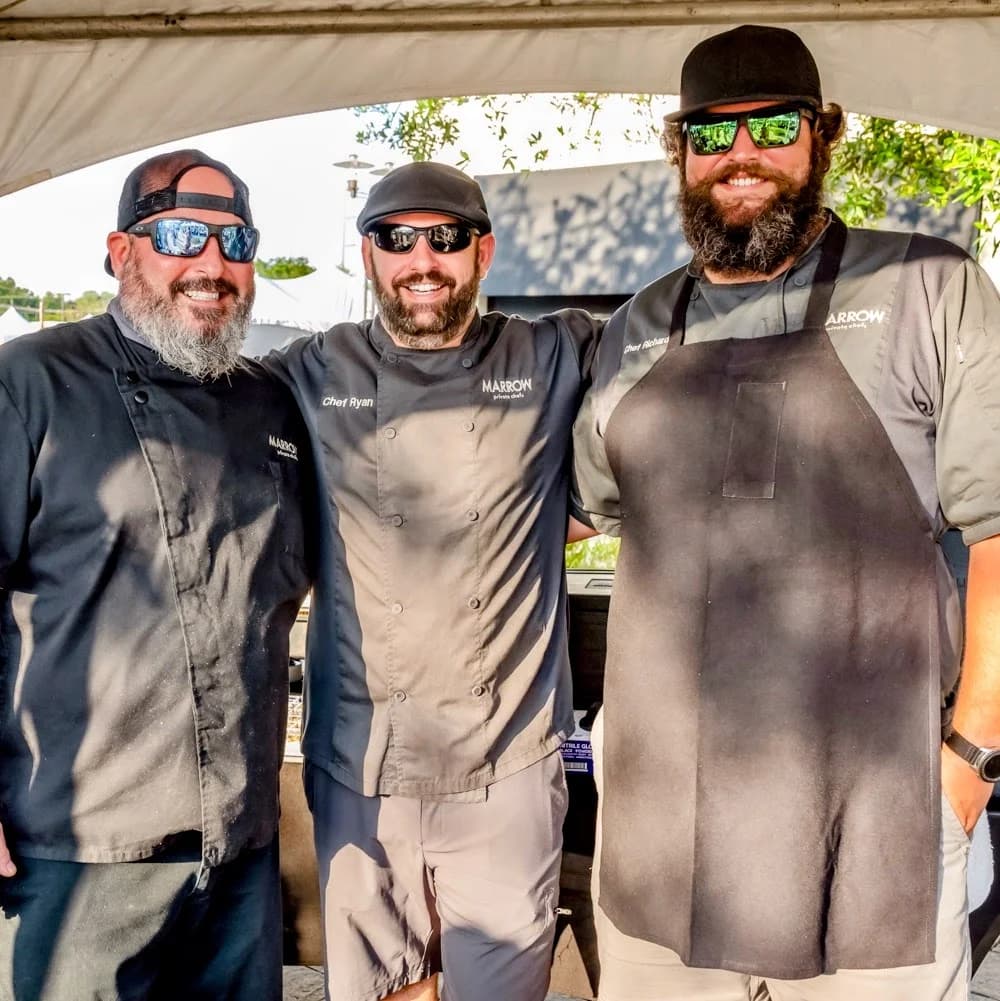
What Makes Marrow Different from Other 30A Private Chefs
What makes Marrow different from other 30A private chefs. Three chef-owners, licensed kitchen, perfect safety record, transparent pricing, quality ingredients.
Why We Display Our Pricing Upfront
Why Marrow displays pricing upfront on our website. Transparency, trust, and why we don't negotiate. Fixed pricing for curated menus, detailed proposals for custom events.
What Marrow Chefs Do on Their Day Off
What do professional chefs cook on their days off? Meet the chefs behind Marrow and discover what they make when they're not working.