How to Recognize Quality in Private Chef Service
Private chef services on the Emerald Coast range from excellent to mediocre. The challenge isn't finding a private chef — it's recognizing quality before you book.
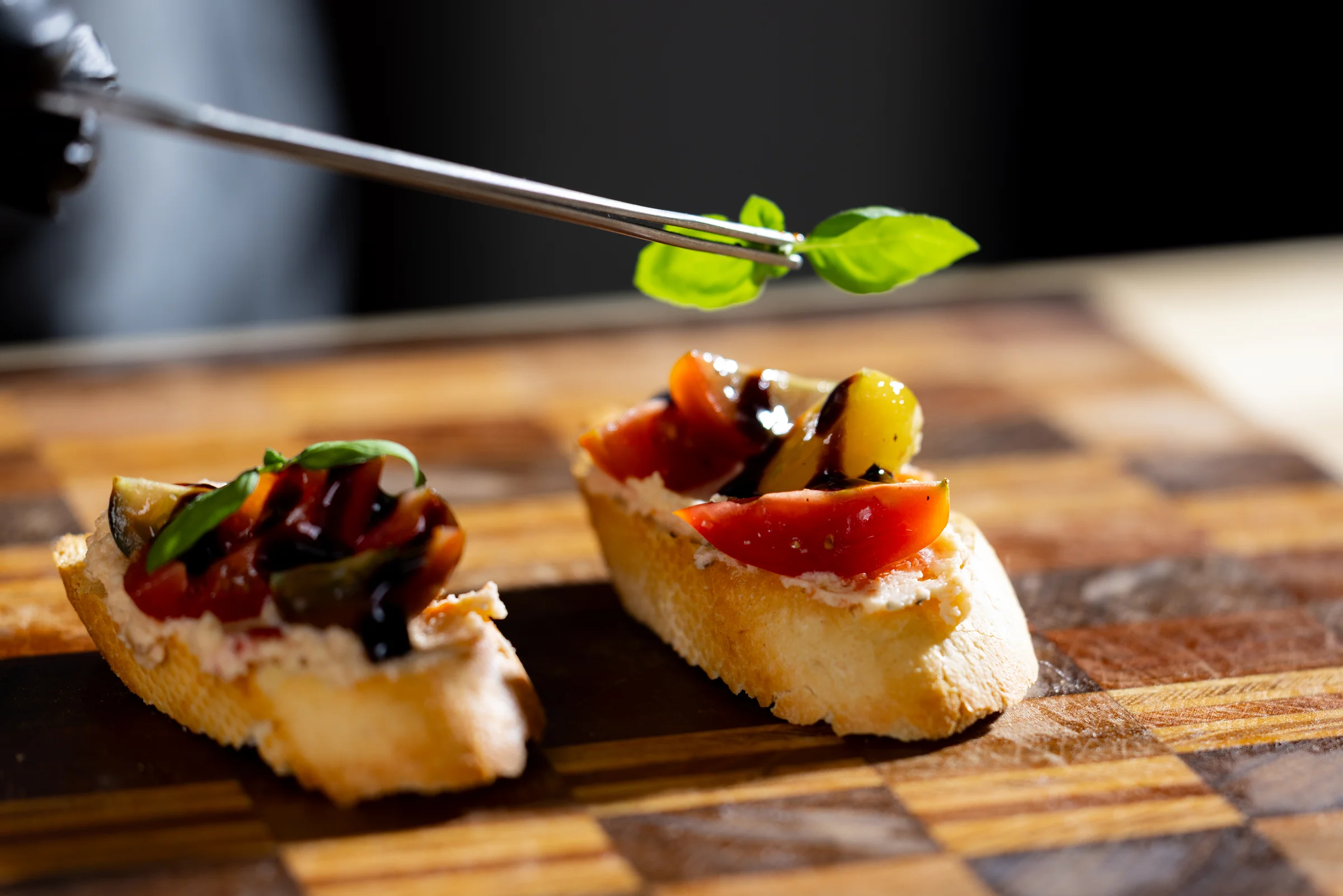
Photos look great. Websites sound professional. Everyone claims to use "fresh, local ingredients" and "elevated techniques." But quality reveals itself in details most people don't think to look for.
Here's how to evaluate private chef services before you commit — and what separates the best from the rest.
Start with Safety, Not Style
Quality begins with food safety. A beautifully plated scallop doesn't matter if it wasn't stored at safe temperatures.
What to look for:
Commercial kitchen access: Ask if the chef operates from a licensed commercial kitchen or a home kitchen. Commercial kitchens meet health department standards and are inspected regularly. Home kitchens aren't.
Safety record: Ask about their food safety track record. How many events have they served? Have they ever had a guest become ill? This isn't an uncomfortable question. It's a necessary one.
Allergen protocols: If you have guests with allergies, ask how they prevent cross-contamination. Do they use separate cutting boards and utensils? Do they prep allergen-free dishes separately? Vague answers are a red flag.
Quality chefs take food safety seriously. If a chef dismisses safety questions or doesn't have clear answers, move on.
Look at Experience, Not Just Reviews
Online reviews matter, but they don't tell the whole story. Anyone can get five-star reviews from a few events. Consistency over hundreds of events is harder.
What to ask:
How many events have you catered? A chef with 50 events has less experience than a chef with 500. Both might be competent, but volume builds consistency.
What's your busiest season? If they've operated through multiple peak seasons (March-September on the Emerald Coast), they've handled high-volume periods when mistakes are more likely.
What's your largest event? If you're planning a wedding for 120 guests, make sure they've successfully catered events at that scale before.
How long have you been in business? New businesses can deliver quality, but longevity suggests they're doing something right.
Experience doesn't guarantee quality, but it's a strong indicator. A chef who's served 3,000+ events without major issues has proven consistency.
Evaluate How They Handle Customization
Great chefs adapt menus to your preferences. Mediocre chefs offer a fixed menu and discourage changes.
What to look for:
Willingness to customize: Can you swap dishes? Adjust cooking techniques? Accommodate dietary restrictions beyond standard allergies? Quality chefs build menus around guest needs, not their own convenience.
Knowledge of ingredients: When you ask about a dish, can they explain where ingredients come from and how they're prepared? Vague answers ("we use local seafood") suggest they're not deeply involved in sourcing.
Menu flexibility during consultation: Do they listen to your preferences, or do they push you toward specific dishes? Quality chefs guide without being rigid.
If a chef seems annoyed by customization requests, that's a sign they prioritize efficiency over guest satisfaction.
Assess Communication Before the Event
Quality reveals itself in how a chef communicates before your event.
What to notice:
Responsiveness: Do they reply to emails and texts promptly? If communication is slow before you book, it won't improve after.
Clarity: Are contracts, pricing, and expectations clearly explained? Ambiguity around pricing, guest counts, or timing is a red flag.
Proactive questions: Do they ask about dietary restrictions, kitchen layout, and timing preferences without being prompted? Quality chefs anticipate details.
Professionalism: Do they seem organized, or do they operate chaotically? Disorganized communication before an event suggests disorganized execution during it.
You're evaluating a relationship, not just a transaction. If communication feels difficult before the event, the event itself will be stressful.
Ask About Ingredients and Sourcing
"Fresh, local ingredients" is marketing language. Quality chefs can tell you exactly where their ingredients come from.
What to ask:
Where do you source seafood? Gulf seafood should come from licensed commercial fishermen or reputable seafood markets. If they can't name their suppliers, they're not sourcing carefully.
Do you prep from scratch? Quality chefs make sauces, marinades, and sides from scratch. Mediocre chefs rely on pre-made components.
How do you handle seasonal availability? Ingredients vary by season. Quality chefs adjust menus based on what's available and at peak quality.
What happens if an ingredient isn't available? Substitutions happen. Quality chefs have backup plans and communicate changes in advance.
If a chef can't answer these questions specifically, they're not as hands-on as they claim.
Evaluate Presentation Without Overvaluing It
Beautiful plating matters, but it's not the most important factor. A dish can look stunning and taste mediocre.
What to look for:
Consistency: Look at photos from multiple events. Does plating quality vary wildly, or is it consistent? Inconsistent presentation suggests inconsistent execution.
Functionality: Are dishes plated in a way that makes sense for the service style? Family-style dishes should look abundant and shareable. Plated courses should look refined but not fussy.
Balance: Does the chef prioritize taste over appearance, or do dishes look like they were designed for Instagram? Quality chefs balance both, but taste always wins.
Presentation is a signal of attention to detail, but it's not a substitute for flavor, technique, or safety.
Understand Pricing Structure
Quality isn't always expensive, but it's rarely cheap. Understanding how chefs price their services helps you evaluate value.
What to look for:
All-inclusive pricing: Quality chefs include service charges, staffing, and setup in their pricing. Hidden fees suggest a lack of transparency.
Minimum spends, not guest minimums: Quality services set minimum spends (e.g., $1,000 per event) rather than minimum guest counts. This ensures they're compensated fairly regardless of group size.
Customization impact on cost: Ask how customization affects pricing. Quality chefs explain cost differences clearly (e.g., filet mignon costs more than chicken, adding a course increases the per-person price).
Refund and cancellation policies: Read the fine print. Refund policies should be clear, fair, and explained upfront.
If pricing feels vague or changes frequently during consultation, that's a red flag.
Look for a Team, Not a Solo Act
Quality private chef services operate as teams, not one-person operations.
What to ask:
Who will be cooking at my event? If you're booking a specific chef, will that chef actually cook your meal? Or will they send someone else?
What happens if the chef gets sick? Quality services have backup chefs. Solo operators have no backup plan.
How is staffing determined? For larger events (20+ guests), multiple chefs or servers are usually required. Ask how they determine staffing levels.
Do you have a support team? Quality services have event coordinators, support chefs, and trusted networks of servers and bartenders. Solo operators do everything themselves, which limits scalability.
Teams provide reliability. Solo operators are riskier.
Evaluate Their Reputation Beyond Online Reviews
Online reviews are helpful, but they're not the only measure of quality.
What to research:
Awards and recognition: Have they been featured in local publications? Won industry awards? Recognition from credible sources (not pay-to-play awards) suggests consistent quality.
Referrals from venues or planners: Ask wedding planners, event venues, or vacation rental managers for recommendations. They work with caterers regularly and know who delivers quality.
Longevity: How long have they been in business? Catering businesses that survive multiple years have proven they can deliver consistently.
Professional certifications: Are they licensed by the Florida Department of Business and Professional Regulation? Do they carry liability insurance? These aren't optional for quality services.
Reputation is built over time. A chef with a strong reputation earned it through hundreds of successful events.
Red Flags to Watch For
Certain signs suggest a lack of quality before you even book.
Avoid chefs who:
Can't provide references or examples of past events
Operate without a commercial kitchen or proper licensing
Are vague about pricing, staffing, or service details
Don't ask about dietary restrictions or allergies
Pressure you to book quickly without answering questions
Don't have clear cancellation or refund policies
Can't explain where they source ingredients
Seem disorganized or unresponsive during consultation
Trust your instincts. If something feels off during the consultation, it's probably not the right fit.
What Quality Looks Like in Practice
Here's what you should expect from a quality private chef service:
Clear communication: Prompt responses, detailed contracts, proactive questions about your event.
Transparent pricing: All costs explained upfront, no hidden fees, clear refund policies.
Food safety focus: Licensed commercial kitchen, documented safety protocols, clear allergen management.
Customization willingness: Menus built around your preferences, not rigid templates.
Proven track record: Hundreds or thousands of events, consistent reviews, professional reputation.
Professional operations: Team-based service, backup plans, insurance and licensing in place.
Sourcing transparency: Specific details about where ingredients come from and how they're prepared.
Quality isn't subjective. It's measurable. And it reveals itself long before the first dish is plated.
Questions to Ask Before Booking
Use these questions to evaluate any private chef service:
1. How many events have you catered? 1. Do you operate from a licensed commercial kitchen? 1. What's your food safety track record? 1. Can you customize menus based on dietary restrictions and preferences? 1. Where do you source your seafood and proteins? 1. What's included in your pricing, and what costs extra? 1. What's your cancellation and refund policy? 1. Who will be cooking at my event, and what's your backup plan if they're unavailable? 1. Can you provide references or examples of similar events you've catered? 1. How do you handle allergens and cross-contamination? Quality chefs answer these questions easily and thoroughly. If you're getting vague or defensive responses, keep looking.
Why This Matters
Private chef service is an investment. You're paying for more than food — you're paying for expertise, safety, reliability, and peace of mind.
Recognizing quality before you book ensures you're working with professionals who will deliver what they promise. Mediocre services might look fine on paper, but they reveal their weaknesses on the day of your event — when it's too late to fix.
Do your research. Ask questions. Trust your instincts. Quality chefs welcome scrutiny because they have nothing to hide.
Planning Your Event
When evaluating private chef services on the Emerald Coast, look beyond photos and marketing language. Focus on safety, experience, communication, and transparency.
Quality isn't accidental. It's built through hundreds of events, rigorous protocols, and a commitment to doing things right every time.
Explore our menu options to see what we create, or learn more about our approach to private chef service on the Emerald Coast.
Reserve your experience with confidence. Quality is what we deliver.
Want to talk through what week works for your family?
Reach out — we respond within hours.
More from the journal

Multi-Day Wedding Celebrations: Planning Every Meal
Planning catering for multi-day weddings on the Emerald Coast. Welcome dinners, rehearsal dinners, receptions, and post-wedding brunches with one team.
The Complete Guide to Tipping Your Private Chef
Complete guide to tipping private chefs. Standard gratuity ranges, when to tip more, service charges vs tips, and tipping etiquette.
What Makes Marrow Different from Other 30A Private Chefs
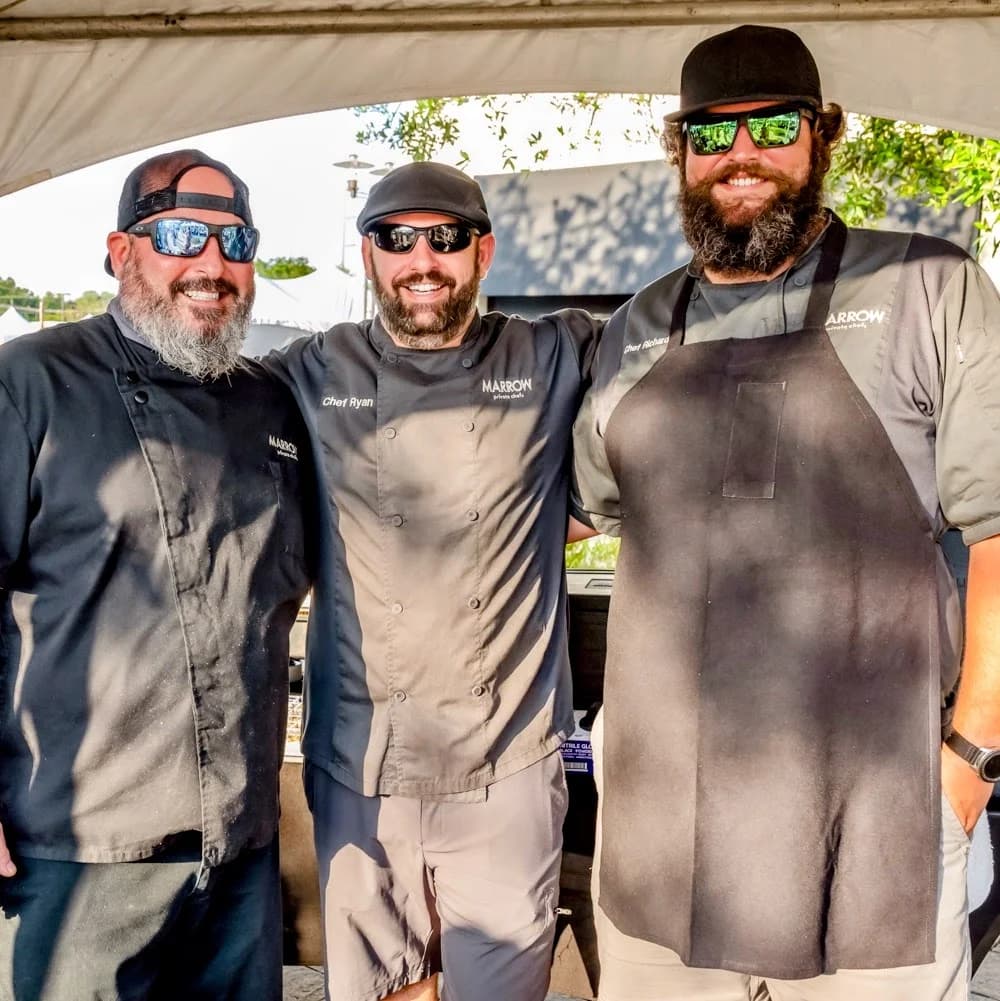
What makes Marrow different from other 30A private chefs. Three chef-owners, licensed kitchen, perfect safety record, transparent pricing, quality ingredients.